


How to reliably find worthwhile indie hidden gems & avoid duds?

The independent gaming scene is a vibrant ecosystem brimming with innovation, creativity, and unique experiences that often push boundaries traditional publishers shy away from. For many gamers, the thrill of discovering an unknown masterpiece – a ‘hidden gem’ – is an unparalleled joy. However, this vast ocean of creativity also contains its fair share of unpolished, uninspired, or even broken titles, making the search for quality a daunting task. The challenge lies in distinguishing the diamonds from the rough without wasting precious time and money.
This guide will equip you with reliable strategies and practical tips to cut through the noise, identify promising indie games, and minimize your chances of stumbling upon a dud. By leveraging community insights, expert opinions, and smart discovery tools, you can refine your hunt for those unforgettable, independently developed adventures.
Leverage Curated Platforms and Communities
One of the most effective ways to find quality indie titles is to rely on platforms and communities that specialize in curation. Steam’s ‘Curator’ system, for instance, allows individuals and groups to recommend games, often with detailed reviews and specific tastes. Following curators whose preferences align with yours can be incredibly beneficial. Similarly, platforms like itch.io host countless indie games and feature developer-curated collections or ‘bundles’ that highlight excellent projects.
Beyond dedicated platforms, strong online communities are invaluable. Subreddits such as r/indiegames, r/patientgamers, and even r/gamingsuggestions are filled with passionate players who actively discuss and recommend lesser-known titles. Engaging in Discord servers dedicated to indie gaming or specific genres can also yield personalized recommendations and insights into upcoming projects. These communities often highlight games before they gain mainstream traction.

Follow Reputable Critics and Content Creators
While mainstream gaming journalism often focuses on AAA releases, many critics and content creators carve out a niche specifically for indie games. Seek out YouTube channels, Twitch streamers, and online publications that consistently review or feature independent titles. Look for those who provide thoughtful analysis, honest opinions, and who have a clear understanding of what makes an indie game special.
A content creator’s consistent track record and similarity in taste to your own are key indicators of a good resource. These individuals often spend considerable time sifting through new releases and early access titles, saving you the effort. They can offer deep dives into gameplay, art style, and narrative, helping you make informed decisions before purchasing.

Dive into Game Jams and Early Access (with Caution)
Game jams are intense development sprints where creators build games around a theme within a short timeframe. Many innovative and unique concepts emerge from these events, and some go on to become fully fleshed-out games. Websites like Ludum Dare and Global Game Jam host archives of entries, offering a glimpse into raw creative ideas. While not all jam games are polished, they can be excellent incubators for future hidden gems.
Early Access programs on platforms like Steam allow you to play games still in development. This can be a double-edged sword: you get to support developers and experience games early, but you also risk encountering bugs or unfinished content. To mitigate risk, look for games with active development teams, clear roadmaps, consistent updates, and positive community feedback on the existing build. Developers who engage openly with their community often produce better final products.

Utilize Discovery Tools and Features Wisely
Most digital storefronts offer built-in discovery tools that, when used effectively, can guide you towards hidden gems. Steam’s ‘Discovery Queue’ and ‘More Like This’ features are great starting points. Pay attention to game tags and categories; exploring niche tags can uncover titles you might otherwise miss. Many platforms also offer comprehensive filters, allowing you to sort by genre, art style, price, and even specific mechanics.
Don’t overlook aggregated review sites like Metacritic or OpenCritic, but use them with a discerning eye. For indie games, professional critic scores might be scarce, making user reviews more prominent. While user reviews can be helpful, always cross-reference them and look for detailed feedback rather than simple scores. A small but highly passionate user base often indicates a game with genuine quality that resonates deeply with its players.
Red Flags to Watch Out For
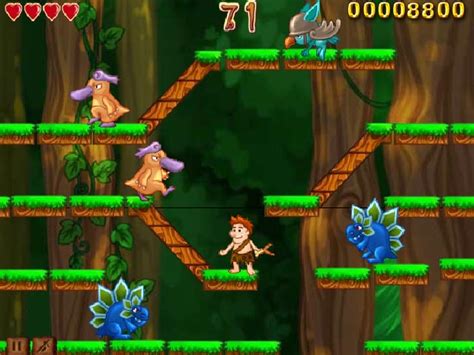
Identifying potential duds is just as important as finding gems. Keep an eye out for several red flags. Generic or stock-looking art assets, particularly in screenshots or trailers, can be a warning sign. Vague or overly hyperbolic descriptions that don’t clearly explain gameplay mechanics can also indicate a lack of substance. Be wary of games with little to no gameplay footage, or trailers that consist primarily of pre-rendered cinematics rather than actual in-game action.
Furthermore, look at the developer’s history. If they have a track record of releasing unfinished or poorly received games, proceed with extreme caution. For Early Access titles, a lack of developer communication, infrequent updates, or a rapidly shrinking player base are serious warning signs that a game might be abandoned. Trust your gut: if something feels off, it often is.

The quest for indie hidden gems is a rewarding journey that enriches your gaming experience. By strategically leveraging curated lists, reputable voices, community insights, and smart discovery tools, you can significantly improve your hit rate. Learning to spot the warning signs of a dud will further streamline your search, ensuring your time and money are well spent.
Embrace the adventure, experiment with different genres, and don’t be afraid to delve into games from smaller studios. The next great indie masterpiece is out there, waiting for you to uncover it.