



What red flags signal a predatory F2P gacha system?

Unmasking Exploitative Gacha Mechanics
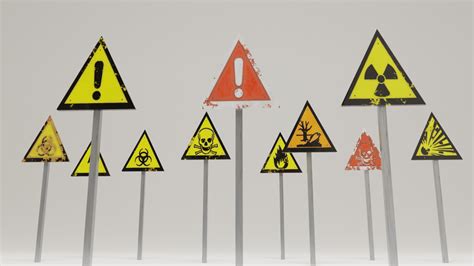
Free-to-play (F2P) gacha games have become a dominant force in the mobile and even console gaming landscape, offering immediate access to engaging experiences. While many offer fair and enjoyable progression, a significant portion employs manipulative tactics designed to push players into spending excessive amounts of money. Understanding the red flags of a predatory gacha system is essential for players to protect their wallets and their enjoyment.
These systems often subtly exploit psychological vulnerabilities, turning a fun pastime into a high-pressure environment. Recognizing these warning signs can help you distinguish between a fair game and one built on exploitation.
Abysmal Drop Rates and Manipulated Pity Systems
One of the most immediate indicators of a predatory gacha system is incredibly low drop rates for desirable characters or items, often below 1%. Compounding this, the “pity” system—which guarantees a rare pull after a certain number of attempts—can be deceptive. Predatory games might reset pity counts frequently, offer split banners for characters and their necessary weapons (effectively doubling the cost for a complete unit), or have a ‘soft pity’ that only slightly increases rates without a true guarantee.
Relentless Time-Limited Offers and FOMO
Predatory gacha games thrive on creating a sense of urgency and Fear Of Missing Out (FOMO). This manifests through an endless stream of time-limited banners for powerful characters, exclusive bundles, and battle passes that offer significant advantages. Players are pressured into purchasing now, believing the opportunity will never return, or that they’ll fall irrevocably behind if they don’t acquire the latest meta unit or discounted package.
![[PROMO] JUNE 2024 PRIME & GOLDEN GACHA - PlayPark](/images/aHR0cHM6Ly90czQubW0uYmluZy5uZXQvdGg/aWQ9T0lQLmZRcDdjUGJmVDRkZ2tqQkllX0dBdWdIYUdLJnBpZD0xNS4x.webp)
Aggressive Power Creep and Pay-to-Win Dominance
When new units or items consistently and rapidly outclass existing ones, it’s a sign of aggressive power creep designed to make older investments obsolete. This forces players to constantly chase the newest, most powerful gacha pulls just to remain competitive, especially in player-versus-player (PvP) modes. Such games are heavily pay-to-win (P2W), where spending large sums is not just an advantage, but a prerequisite for meaningful progression or endgame success.

Confusing Currency Systems and Gem Traps
A tell-tale sign of a predatory system is a convoluted in-game currency economy. Multiple premium currencies, often with obscure exchange rates, make it difficult to calculate the real-world cost of purchases. Developers might sell currency packs that leave players with small, unusable amounts of premium currency after a desired purchase, encouraging further spending to round up to the next tier of item. These “gem traps” are designed to maximize spending by making real money feel less tangible.
Minimal Free-to-Play Progression and Engagement Walls
While all F2P games have some monetization, predatory systems offer extremely slow or limited free progression, making it feel like a constant uphill battle without spending. Essential content might be gated behind high power requirements that are nearly impossible to achieve without specific gacha units, or events might heavily favor those with the newest banner characters. This creates “engagement walls” where the free experience quickly becomes frustrating, pushing players towards paid solutions.

Psychological Manipulation and Ethical Concerns
Beyond mechanics, predatory gacha systems often employ psychological manipulation. This includes exploiting the ‘sunk cost fallacy’ (players feeling they must continue spending because of past investments), variable ratio reinforcement (the addictive nature of intermittent rewards), and targeting vulnerable demographics with appealing visuals and constant reward loops. A lack of transparency regarding odds and the glorification of spending through leaderboards or exclusive cosmetic rewards also raise ethical concerns.
Protecting Yourself: What Players Can Do
Armed with this knowledge, players can take steps to protect themselves. Research new games thoroughly, especially their monetization structure and community feedback. Set strict spending limits for yourself, or avoid spending altogether. Be wary of games that constantly bombard you with urgent offers or make you feel inadequate for not having the latest unit. Remember, a truly good game prioritizes player enjoyment and fair progression over relentless monetization.

Conclusion
While gacha games can offer immense fun, the line between fair monetization and predatory practices is often blurred. By recognizing the red flags—from abysmal rates and aggressive power creep to psychological manipulation and confusing currency systems—players can make informed decisions. Choose games that respect your time and money, and advocate for more ethical development practices within the F2P landscape. Your gaming experience should be enjoyable, not exploitative.