


What gacha design red flags signal a predatory F2P game?
Free-to-play (F2P) games, especially those employing gacha mechanics, have become a dominant force in the mobile gaming landscape. While many offer genuine entertainment without demanding constant spending, a significant number use sophisticated design choices to exploit players, pushing them towards unhealthy spending habits. Recognizing these “red flags” is crucial for safeguarding your wallet and well-being. This article delves into the tell-tale signs that signal a potentially predatory gacha game.
Opaque & Unfair Gacha Odds
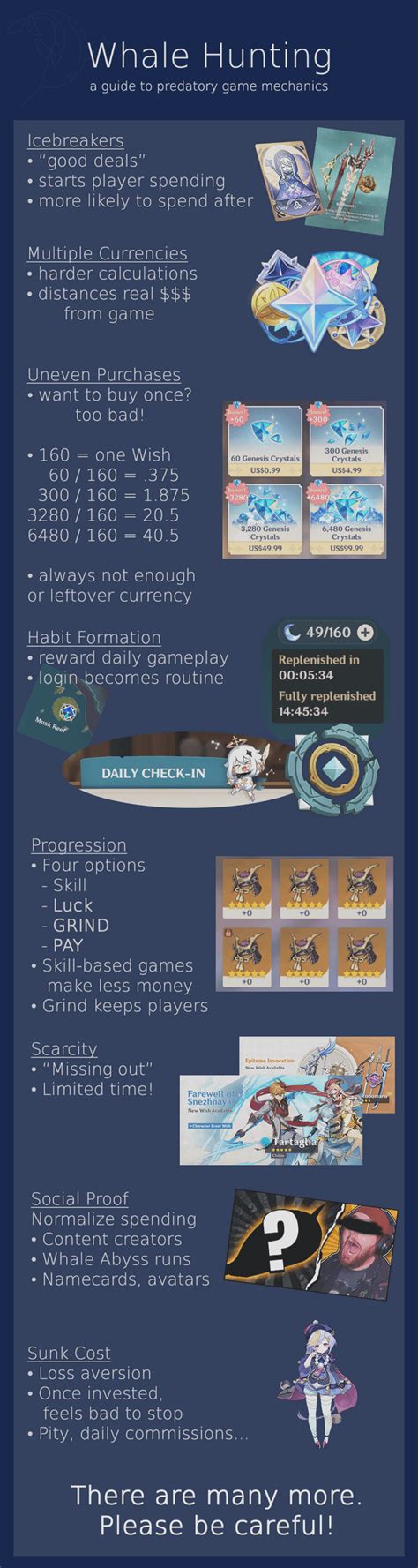
One of the most immediate indicators of a predatory system is the manipulation of gacha odds. Games that feature extremely low drop rates for desirable items (often below 1%) combined with a lack of a clear “pity” system—a guarantee of a rare item after a certain number of pulls—are designed to drain resources. Without a safety net, players can spend hundreds or thousands of dollars chasing a specific character or item, with no assurance of ever acquiring it. Predatory games often hide these rates or present them in a confusing manner, making it difficult for players to truly understand their chances.

Aggressive Power Creep & Mandatory Spending for Progression
Power creep is a natural phenomenon in many live service games, where new content introduces stronger characters or items. However, in predatory gacha games, power creep is aggressively accelerated. Newly released units quickly overshadow existing ones, making previous investments obsolete and forcing players to constantly pull for the latest meta. Coupled with this, progress in the game’s core content, such as challenging stages or competitive modes, becomes virtually impossible without acquiring these new, powerful units, effectively turning the game into a mandatory pay-to-win scenario where free or low-spending players hit insurmountable walls.
Manipulative Monetization Tactics & Artificial Scarcity
Beyond the gacha itself, predatory games excel at creating an environment of artificial scarcity and urgency to drive purchases. This includes an abundance of limited-time banners, “whale-bait” bundles with disproportionate value, and multiple layers of premium currencies that make direct comparisons of cost difficult. Sales are constantly pushed as “once-in-a-lifetime” opportunities, instilling a fear of missing out (FOMO). Some games even design their premium currency packages so that buying exactly enough for a single pull or specific item is difficult, forcing players to buy more than they need, leaving them with leftover “gems” that incentivise further spending.
Lack of Meaningful Free-to-Play Progression & Content
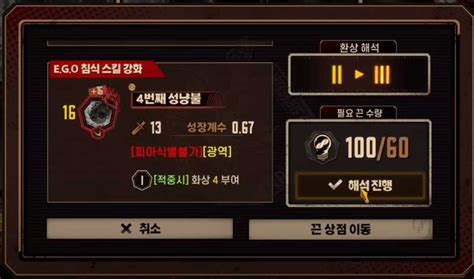
While F2P games are expected to have monetization, predatory ones severely limit the avenues for free progression. Free currency acquisition is painstakingly slow, and non-gacha methods of obtaining desirable items are either nonexistent or so inefficient they become irrelevant. Event rewards become meager, daily tasks offer little substantial gain, and key resources for character development are locked behind paywalls or extremely repetitive, grindy content that quickly becomes a chore. This ultimately forces players to either open their wallets or quit due to stagnation and boredom, as the game becomes unplayable without monetary investment.

Psychological Exploitation & Addiction-like Loops
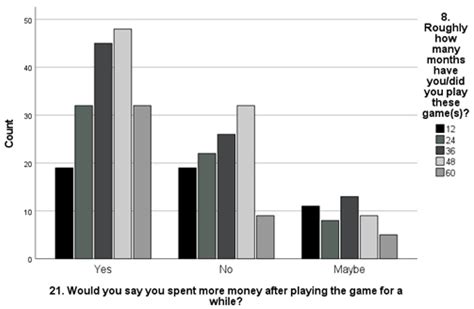
Perhaps the most insidious red flag is the game’s design to exploit psychological vulnerabilities. Daily login bonuses, battle passes, and endless “progression” systems are often tuned to create addiction-like loops. The “gambling high” of pulling a rare unit, combined with variable reward schedules, can trigger dopamine rushes similar to those experienced in traditional gambling. Games might also use social pressure, leaderboards, or guild systems to foster a competitive environment where spending becomes a means to maintain social standing or group progress, blurring the lines between entertainment and unhealthy compulsion.

Conclusion: Play Smart, Not Hard
Identifying these red flags is crucial for any player engaging with F2P gacha games. While the allure of collecting powerful characters and engaging in competitive gameplay can be strong, it’s vital to recognize when a game crosses the line from enjoyable entertainment into predatory exploitation. By being aware of unfair odds, aggressive monetization, and psychologically manipulative design, players can make informed decisions, protect their finances, and avoid falling victim to games designed to extract as much money as possible rather than deliver a fair and fun experience. Choose wisely and enjoy games that respect your time and wallet.