


Which games are genuinely educational & age-appropriate for my child?
In today’s digital landscape, screen time is an undeniable part of most children’s lives. As parents, the challenge isn’t always about limiting screen exposure, but rather about ensuring that the time spent with devices is enriching, genuinely educational, and perfectly suited to their developmental stage. Navigating the vast sea of apps and games can feel overwhelming, but with a clear understanding of what makes a game beneficial, you can make informed choices that foster learning and growth.

Defining ‘Educational’ Beyond the Buzzword
Many games are marketed as ‘educational,’ but not all deliver on that promise. A truly educational game goes beyond rote memorization or simple quizzes. It should:
- Promote Critical Thinking: Encourage problem-solving, strategic planning, and decision-making.
- Foster Creativity: Allow children to build, design, or express themselves.
- Develop Core Skills: Enhance literacy, numeracy, spatial reasoning, or fine motor skills in an engaging way.
- Encourage Collaboration: If multiplayer, does it teach teamwork and communication?
- Provide Meaningful Feedback: Help children understand their mistakes and learn from them without frustration.
Look for games that present challenges, require perseverance, and offer a sense of accomplishment upon mastery, rather than just repetitive tasks.

The Crucial Role of Age-Appropriateness
A game’s educational value is only effective if it’s appropriate for your child’s age and developmental stage. What excites a preschooler might bore or frustrate an elementary schooler, and vice-versa. Consider:
- Cognitive Development: Is the game’s complexity level suitable for their ability to understand rules, sequences, and abstract concepts?
- Emotional Maturity: Does the content, themes, or pace align with what your child can process without anxiety or overwhelm?
- Motor Skills: Are the controls and interface easy for their fine motor skills to manage?
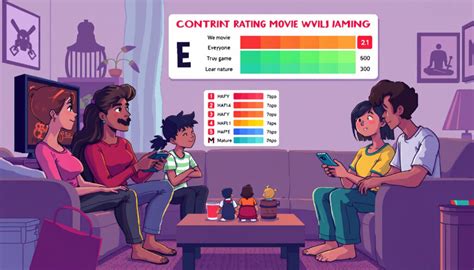
- Content Warnings: Be mindful of ratings and reviews regarding violence, mature themes, or excessive commercialism.
Always prioritize games that meet your child where they are developmentally, offering a healthy balance of challenge and achievable success.

Categories of Genuinely Educational Games to Explore
To help narrow down your choices, here are some categories known for their educational potential:
- Logic and Puzzle Games: Enhance spatial reasoning, problem-solving, and critical thinking (e.g., block-stacking, matching, maze games).
- Creative and Sandbox Games: Spark imagination, design skills, and open-ended play (e.g., virtual building blocks, art creation apps).
- STEM-focused Games: Introduce concepts in science, technology, engineering, and math through engaging simulations or coding puzzles.
- Language and Literacy Games: Build vocabulary, phonics skills, reading comprehension, and even foreign language basics.
- Strategy and Simulation Games: For older children, these can teach resource management, planning, and historical or civic concepts.
Remember that the best educational games often combine elements from several categories, providing a holistic learning experience.

How to Choose Wisely: A Parent’s Checklist
With so many options available, here’s a practical checklist to guide your game selection:
- Read Reviews: Look for reviews from educators, child development experts, and other parents. Common app store ratings aren’t always sufficient.
- Check Learning Objectives: Does the game explicitly state what skills it aims to develop? Are these aligned with your child’s needs?
- Try Before You Commit: Many apps offer free trials or lite versions. Let your child try them out to gauge engagement and learning potential.
- Observe and Discuss: Play alongside your child or observe their play. Ask questions about what they’re doing, what they’re learning, and how they feel about the game.
- Look for Non-Obtrusive Ads/In-App Purchases: Educational games should prioritize learning over monetization.

Conclusion
Choosing genuinely educational and age-appropriate games for your child is a thoughtful process, not a simple task. By understanding what makes a game truly beneficial and by actively participating in your child’s digital experiences, you can transform screen time from a passive activity into a powerful tool for learning, growth, and development. The goal is to cultivate a balanced digital diet that complements their real-world explorations and strengthens their foundational skills for a future that is increasingly shaped by technology.