


How to identify and avoid predatory F2P mobile game monetization?

Free-to-play (F2P) mobile games have revolutionized the gaming industry, offering immediate access to entertainment without an upfront cost. While many F2P titles provide engaging experiences, a significant number employ monetization strategies that can be exploitative, manipulative, and ultimately detrimental to players. Identifying these predatory practices is crucial for maintaining a healthy relationship with mobile gaming and protecting your wallet.
What is Predatory Monetization?
Predatory monetization in F2P games refers to design choices that prioritize maximizing revenue through deceptive, addictive, or coercive means, rather than focusing on fair value exchange or player enjoyment. These tactics often exploit psychological vulnerabilities, create artificial barriers, and pressure players into spending money beyond their comfort level, frequently without a commensurate increase in fun or progress.

Common Predatory Tactics
Understanding the specific methods developers use can help you spot them early.
Loot Boxes and Gacha Mechanics
These systems involve purchasing randomized virtual items, often with very low odds for desirable rewards. While not inherently bad, they become predatory when odds are obscured, guaranteed drops are absent after many attempts (“pity timers”), or the rewards are essential for progression. This taps into gambling-like psychology.
Energy Systems and Timers
Many F2P games limit playtime by requiring “energy” or “stamina” to perform actions, which depletes over time and regenerates slowly. Paying real money can instantly refill energy or skip long waiting timers for upgrades and construction, effectively holding gameplay hostage unless you pay.
Pay-to-Win (P2W)
P2W mechanics give players who spend real money a distinct and significant advantage over non-paying players. This can manifest as exclusive powerful items, characters, or significant stat boosts that are difficult or impossible to obtain through gameplay alone. It creates an uneven playing field and often forces players to spend to remain competitive.
Artificial Scarcity and Fear of Missing Out (FOMO)
Games frequently employ limited-time offers, exclusive event items, or daily login bonuses that expire. This creates a sense of urgency and fear that you’ll miss out on something valuable if you don’t act – and pay – immediately. This pressure can lead to impulsive spending.
Psychological Manipulation and Sunk Cost Fallacy
Developers design games to foster addiction through continuous progression loops, social pressures, and rewards that stimulate dopamine. The “sunk cost fallacy” is exploited when players have invested significant time or money into a game, making them more likely to continue spending, even if they’re no longer enjoying it, because they don’t want their previous investment to feel wasted.
Dark Patterns and Misleading UI
These are user interface tricks designed to nudge players towards spending. Examples include making “purchase” buttons more prominent than “cancel” or “free” options, offering “starter packs” that seem like incredible deals but are gateways to more spending, or purposefully confusing currency exchanges.

How to Identify Them
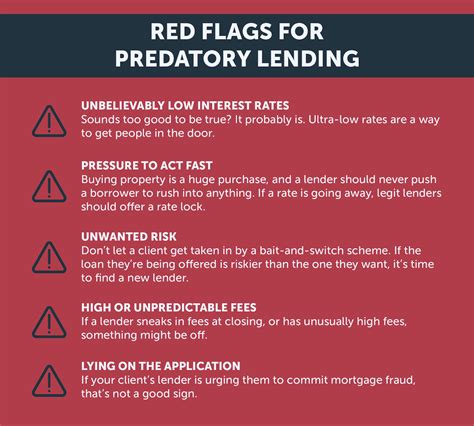
Before you get too deep into a game, look for these red flags:
- High Pressure to Spend Early: If tutorials push you towards spending real money or make it seem essential from the get-go.
- Frustrating Progression without Payment: If the game becomes a tedious grind or hits an obvious “paywall” where progress slows dramatically unless you pay.
- Obscure Odds for Rewards: If the game features loot boxes but doesn’t clearly display the statistical odds of getting specific items.
- Aggressive Pop-ups and Notifications: Constant prompts to buy something or warnings about missing out on limited-time deals.
- Currency Confusion: Multiple in-game currencies that are difficult to convert or understand their real-world value.

How to Avoid Them
Taking a proactive approach can save you money and frustration.
- Research Before Playing: Read reviews, watch gameplay videos, and check discussions on forums like Reddit. Players are often vocal about predatory practices.
- Set Spending Limits: Enable parental controls or set strict personal budgets for in-app purchases. Never link your primary payment method directly.
- Disable In-App Purchases (IAP): Most mobile platforms allow you to disable IAP entirely, preventing accidental or impulsive spending.
- Embrace Free-to-Play Content: Focus on enjoying the free content the game offers. If progress becomes too slow or frustrating without spending, it might be time to move on.
- Be Wary of Early “Deals”: Often, the most attractive initial offers are designed to hook you into a spending habit.
- Unsubscribe from Notifications: Reduce the psychological pressure by turning off push notifications from games that constantly prompt spending.
Conclusion
While F2P mobile gaming offers incredible accessibility, it’s vital for players to be informed and vigilant. By understanding the common predatory monetization tactics and learning how to identify and avoid them, you can protect your wallet and ensure your gaming experience remains fun and fair. Choose games that respect your time and money, and remember that your enjoyment shouldn’t come at the cost of exploitation.