




Guide to choosing age-appropriate games for safe family fun?

Why Age-Appropriate Games Matter for Family Fun
Choosing the right games for your family isn’t just about avoiding boredom; it’s about fostering a safe, engaging, and developmentally beneficial environment. When games align with a child’s age and abilities, they become powerful tools for learning, bonding, and creating cherished family memories. Conversely, inappropriate games can lead to frustration, exposure to unsuitable content, or even safety hazards.
This guide will equip you with the knowledge to navigate the vast world of games – from classic board games to digital adventures – ensuring every choice contributes positively to your family’s fun and development.

Decoding Age Ratings and Developmental Stages
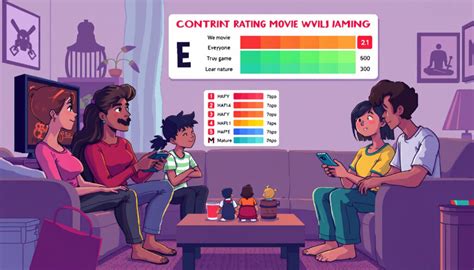
One of the first steps in selecting an age-appropriate game is understanding its designated age rating. For video games, systems like the Entertainment Software Rating Board (ESRB) in North America or Pan European Game Information (PEGI) in Europe provide valuable guidance on content suitability. For board games and toys, manufacturers often include recommended age ranges, typically based on developmental milestones and safety considerations like choking hazards.
However, these ratings are just a starting point. It’s crucial to also consider your child’s unique developmental stage. A child’s cognitive abilities, fine motor skills, attention span, and emotional maturity all play a role in whether they will enjoy and benefit from a particular game. For instance, a child who struggles with reading might find a text-heavy board game frustrating, even if the content is otherwise suitable.
Key Factors Beyond the Label
When assessing a game, look beyond the box and consider these vital elements:
- Content: Evaluate themes, language, violence, and mature concepts. Is it something you’re comfortable exposing your child to?
- Complexity & Rules: Can your child grasp the rules without becoming overwhelmed? Too many rules or overly complex strategies can lead to frustration rather than fun.
- Duration of Play: Does the game’s length match your child’s attention span? Shorter games are often better for younger children.
- Interaction & Social Skills: Does the game encourage cooperation, competition, or problem-solving? How does it foster social interaction?
- Physical Safety: For very young children, check for small parts that could be choking hazards. Ensure materials are non-toxic and durable.

Tailoring Games to Specific Age Groups
Toddlers & Preschoolers (Ages 1-5)
Focus on simple, sensory, and motor skill-developing games. Think stacking blocks, shape sorters, simple picture matching, chunky puzzles, and imaginative play sets. Games with large pieces, bright colors, and opportunities for repetition are ideal.
Early Elementary (Ages 6-9)
Introduce games with basic rules, simple strategy, and opportunities for learning. Classic board games like Candyland, Chutes and Ladders, or collaborative games are great. Look for games that enhance reading, counting, and problem-solving skills.

Older Kids & Tweens (Ages 10-12)
This age group can handle more complex strategy games, trivia games, and cooperative adventures. Games that encourage critical thinking, negotiation, and deeper social interaction are perfect. Many role-playing games or strategy board games can be introduced here.
Teenagers (Ages 13+)
Teenagers often enjoy more sophisticated narrative games, complex strategy games, and online multiplayer experiences. While the content can be more mature, parental involvement in understanding game themes and online interactions remains important. Consider games that spark discussion, ethical dilemmas, or creative problem-solving.

Navigating Digital Games and Screen Time
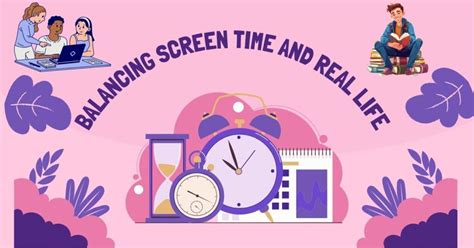
Digital games offer incredible engagement, but require a balanced approach. Always review game ratings (ESRB, PEGI) for content and online interaction warnings. Utilize parental controls on consoles, devices, and platforms to manage screen time, restrict purchases, and filter inappropriate content. Encourage a mix of digital and physical play, and make sure digital games aren’t replacing valuable social interaction or outdoor activities. Discuss responsible online behavior and digital citizenship with your children regularly.

Creating Lasting Family Memories
Ultimately, choosing age-appropriate games is about enhancing family life. By making informed decisions, you not only ensure safety and suitability but also maximize the potential for learning, laughter, and bonding. Take the time to play alongside your children, observe their interests, and adapt your choices as they grow. The most rewarding games are often those that bring everyone together, fostering communication and shared joy.