




Best practices for choosing age-appropriate video games?

In today’s digital age, video games are a ubiquitous form of entertainment, offering rich worlds and engaging challenges. However, for parents, navigating the vast and ever-evolving landscape of games can be daunting, especially when trying to ensure their child’s gaming experience is both fun and appropriate. Choosing age-appropriate video games is crucial not only for protecting children from potentially mature content but also for fostering positive development and healthy gaming habits.
Understanding Video Game Rating Systems
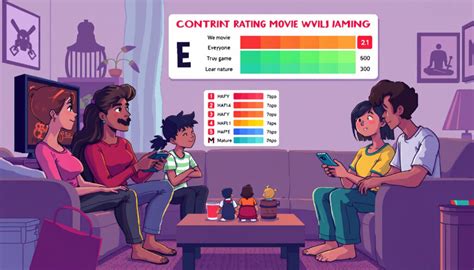
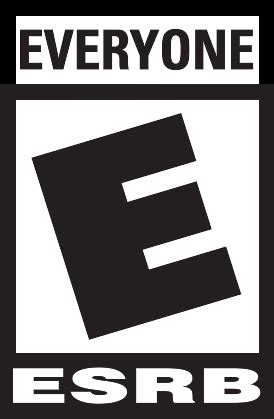
The first and most fundamental step in selecting appropriate games is to familiarize yourself with official video game rating systems. These systems are designed to provide clear guidance on a game’s content and suitability for different age groups. In North America, the Entertainment Software Rating Board (ESRB) is the primary system, using ratings like E (Everyone), E10+ (Everyone 10+), T (Teen), M (Mature), and AO (Adults Only).
Across Europe, the Pan European Game Information (PEGI) system serves a similar purpose, with age ratings such as 3, 7, 12, 16, and 18. Other regions have their own systems, such as the CERO in Japan or the GRAC in Korea. These ratings are typically displayed prominently on game packaging and digital store listings.
Delving into Content Descriptors
While age ratings provide a broad guideline, the real insight often comes from the content descriptors accompanying these ratings. Both ESRB and PEGI utilize these descriptors to detail specific elements within a game that contributed to its age rating. For example, an ESRB “T for Teen” game might have descriptors like “Fantasy Violence,” “Mild Language,” or “Blood.” A PEGI 12 game might list “Violence,” “Bad Language,” or “Fear.”
These descriptors are invaluable for parents, as they offer a granular view of the game’s themes and potential triggers. A child who is sensitive to jump scares might struggle with a game featuring “Fear,” even if the overall age rating is suitable. Always take a moment to read these descriptors carefully before making a purchase or allowing a download.
Research Beyond the Box: Reviews and Gameplay
Official ratings are a good starting point, but they are not the only resource. Modern parents have an abundance of information at their fingertips. Utilize online resources to research games thoroughly. Reputable gaming review sites often discuss the content, themes, and overall experience from a parent’s perspective. Watching gameplay videos on platforms like YouTube can also provide a clear picture of what the game looks and feels like in action.
Additionally, talk to other parents whose children play video games. Peer recommendations and experiences can offer practical insights into how a particular game might resonate with your child. Social media groups and online parenting forums can be excellent places to gather diverse opinions and advice.

The Power of Playing Together and Monitoring
One of the most effective ways to ensure a game is appropriate and to stay connected to your child’s gaming world is to play with them. Co-play offers a unique opportunity to experience the game firsthand, observe their reactions, and discuss any challenging content together. It also transforms gaming from a solitary activity into a shared family experience.
If playing together isn’t always possible, regular monitoring is key. Be aware of the games your child is playing, who they are playing with (if it’s an online multiplayer game), and the kind of content they are exposed to. Many gaming platforms offer parental controls that allow you to manage playtime, restrict access to certain content, and control communication features. These tools are invaluable for creating a safer gaming environment.

Considering Your Child’s Unique Sensitivity and Maturity
While rating systems provide general guidelines, every child is an individual. A game rated “E10+” might be perfectly fine for one 9-year-old but overwhelming for another of the same age due to differing sensitivities to violence, complex themes, or fast-paced action. Understand your child’s temperament, maturity level, and what they are comfortable with. Some children might be more sensitive to cartoon violence, while others might be anxious about competitive online environments.
Engage in open conversations with your child about their gaming experiences. Ask them what they like about a game, if anything makes them uncomfortable, and if they understand the game’s themes. This dialogue empowers them to communicate their feelings and helps you make informed decisions tailored to their specific needs.

Setting Boundaries and Promoting Healthy Habits
Choosing age-appropriate games is part of a larger picture of healthy gaming habits. Establish clear boundaries around playtime, screen time, and when and where gaming is allowed. Balance gaming with other activities like homework, outdoor play, and family time. Utilize parental control settings on consoles, PCs, and mobile devices to enforce these rules automatically.
Encourage a diverse range of games, including educational, creative, and puzzle-solving titles, alongside more action-oriented ones. This helps broaden their interests and skills. By actively participating in their gaming choices and setting thoughtful limits, you can ensure video games remain a positive and enriching part of their childhood.

Conclusion
Navigating the world of video games as a parent requires diligence, knowledge, and open communication. By understanding rating systems, researching content, playing alongside your children, and considering their individual needs, you can confidently choose games that are not only fun but also contribute positively to their development. Empowering your child with appropriate choices fosters a love for gaming that is healthy, safe, and enriching.