




How to use game reviews & ratings to select truly age-appropriate, engaging games?

In today’s vast digital landscape, video games offer immense potential for entertainment, learning, and social connection. However, navigating the myriad of titles to find ones that are truly age-appropriate and engaging for your child can feel overwhelming. This guide will help you decode game reviews and ratings, transforming you into a savvy selector of your child’s next digital adventure.
Understanding Official Game Rating Systems
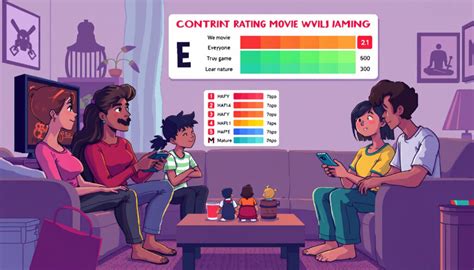
The first line of defense in selecting appropriate games comes from official rating systems. Organizations like the Entertainment Software Rating Board (ESRB) in North America, PEGI (Pan European Game Information) in Europe, and others globally provide age recommendations and content descriptors.

These ratings are not just arbitrary numbers; they are based on detailed assessments of a game’s content. An ESRB ‘E for Everyone’ rating, for example, indicates minimal cartoon violence or mild language, while a ‘T for Teen’ might include more intense violence, suggestive themes, or strong language. Always look beyond the age number to the specific content descriptors listed alongside it, as these pinpoint the exact reasons for the rating. They might highlight fantasy violence, crude humor, use of alcohol, blood, or gambling themes, giving you a clearer picture of what your child will encounter.
Beyond the Age Number: What to Look For
While official ratings provide a crucial baseline, they don’t always capture the full nuance of a game’s suitability or its potential to engage your child. Consider these factors:
- Complexity and Difficulty: An age-appropriate game might still be too complex for a younger child or too simplistic for an older one. Look for reviews that discuss gameplay mechanics, learning curves, and overall challenge.
- Themes and Narratives: Some games rated for a certain age might explore mature themes in a way that’s too intense or nuanced for your child, even if it doesn’t cross official rating thresholds for violence or language.
- Player Interaction: Many modern games involve online multiplayer. Reviews can shed light on the quality of online communities, potential for inappropriate interactions, and communication features.
Diving into User Reviews and Expert Opinions
This is where the real insights often lie. User reviews on platforms like Steam, Metacritic, or even retailer websites, as well as expert reviews from reputable gaming journalism sites, offer a wealth of information.

What to Extract from User Reviews:
- Specific Content Details: Users often highlight instances of content that official ratings might broadly categorize. They might mention specific cutscenes, character interactions, or plot points that are particularly engaging or potentially concerning.
- Engagement Factor: Do players talk about being hooked, or do they mention boredom after a few hours? User reviews are excellent for gauging a game’s replayability and how well it holds attention.
- Community Feedback: For online games, look for comments on toxicity, helpfulness of other players, and the effectiveness of moderation.
- Technical Performance: Does the game run smoothly? Are there frequent bugs? These practical aspects can significantly impact enjoyment.

Leveraging Expert Reviews:
Professional reviewers often delve into game design, narrative depth, and artistic merit. They can provide context on whether a game is genuinely innovative, offers educational value, or tackles its themes thoughtfully. Cross-reference a few different expert reviews to get a balanced perspective.
Putting It All Together: Your Game Selection Checklist
Before making a purchase, follow these steps:
- Check Official Ratings: Start here for a basic content screening. Pay close attention to the content descriptors.
- Read Multiple User Reviews: Look for patterns in feedback regarding content, engagement, and potential issues. Seek out reviews from parents if available.
- Consult Expert Reviews: Get a deeper understanding of the game’s quality, design, and overall experience.
- Watch Gameplay Videos: A short video clip can often reveal more than pages of text. See the game in action to judge its pace, visuals, and general tone.
- Discuss with Your Child: If appropriate, involve your child in the decision. Ask them what aspects of the game appeal to them and explain any concerns you might have. This fosters media literacy and open communication.

By taking a comprehensive approach to game reviews and ratings, you empower yourself to make informed decisions that ensure your children enjoy games that are not only safe and suitable for their age but also genuinely enriching and fun. This proactive approach helps build a positive relationship with gaming within your family.