




Practical tips to avoid overspending in free-to-play mobile games?

Understanding the Allure and Pitfalls of Free-to-Play Games
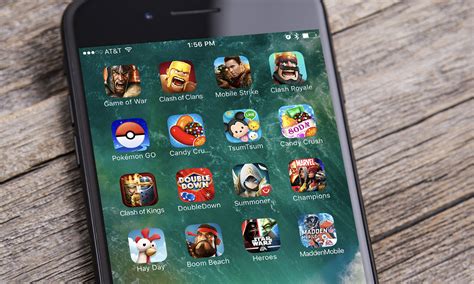
Free-to-play (F2P) mobile games have become a dominant force in the gaming world, offering instant entertainment without an upfront cost. While the initial download is free, these games often feature intricate monetization systems designed to encourage in-app purchases (IAPs). From cosmetic items and convenience boosters to powerful characters and competitive advantages, the temptation to spend can be strong. Without a strategy, players can quickly find themselves spending more than they intended. This article will provide practical tips to help you enjoy F2P games without breaking the bank.

Set a Strict Budget and Stick to It
The most crucial step to prevent overspending is to establish a clear budget. Decide how much you are comfortable spending on mobile games each month and commit to it. Treat this budget like any other expense. Many players find success by setting aside a small, fixed amount – or even opting for zero spending – and then tracking their purchases meticulously. Use budgeting apps or a simple spreadsheet to monitor your spending, ensuring you don’t exceed your self-imposed limit.
Once your budget is set, make it non-negotiable. If you hit your limit for the month, resist the urge to make just “one more” purchase. Remember, the game will still be there tomorrow, and most purchases offer diminishing returns over time. A strict budget provides a clear boundary, helping you make conscious decisions rather than impulsive ones.
Disable or Restrict In-App Purchases (IAPs)
Modern smartphones offer robust parental controls and spending limits that can be utilized by anyone looking to curb their IAP habits. Head into your device settings (e.g., Screen Time on iOS, Digital Wellbeing on Android) and explore options to disable in-app purchases entirely or require a password/biometric authentication for every transaction. This adds an extra layer of friction, giving you a moment to pause and reconsider before confirming a purchase.
Alternatively, consider linking a prepaid debit card with a limited balance to your app store account. This acts as a hard cap on your spending, as you can only spend what’s on the card. For many, simply removing their primary credit card details from their app store account can significantly reduce impulsive buys.

Recognize and Resist Psychological Tricks
F2P games are expertly designed by behavioral psychologists to encourage spending. Be aware of common tactics:
- Fear of Missing Out (FOMO): Limited-time offers, event passes, and daily bundles create a sense of urgency. Ask yourself if you truly need it or if you’re just buying it because it won’t be available later.
- Sunk Cost Fallacy: The more time and money you’ve already invested, the harder it is to stop. Don’t let past spending dictate future decisions. Each purchase should be evaluated on its own merit.
- Gacha Mechanics: Loot boxes and randomized reward systems prey on gambling instincts. Set limits on how many ‘pulls’ you’ll do, or avoid them altogether if you find them too tempting.
- Whale Hunting: Games often target a small percentage of “whales” (high spenders) with increasingly expensive offers. Don’t fall into the trap of trying to keep up with top players who spend thousands.
- Scarcity and Exclusivity: Unique skins or powerful characters that are only available for a short period.
Understanding these tactics empowers you to make rational choices rather than emotionally driven ones.

Focus on Free Progress and Enjoyment
Most F2P games are designed to be enjoyable without spending a dime. Prioritize activities that reward you with in-game currency, resources, or items through gameplay. Embrace the grind; it’s part of the F2P experience. Focus on mastering game mechanics, completing challenges, and participating in free events. The satisfaction of earning rewards through effort often outweighs the fleeting thrill of an instant purchase.
Remind yourself that the goal is entertainment, not necessarily to be the absolute top player or have every single cosmetic. There’s immense joy to be found in progressing at your own pace and appreciating the content the game offers for free.
Take Regular Breaks and Reflect
Spending prolonged periods in a game can blur the lines between virtual wants and real-world needs. Step away from the game regularly. Use breaks to clear your head, engage in other hobbies, or spend time with friends and family. This distance can help you reassess your priorities and detach from the game’s persuasive environment.
When you return, you might find that the item you felt compelled to buy no longer seems as essential, or that your desire to spend has diminished. Reflection helps in understanding your motivations for playing and spending.
Conclusion
Free-to-play mobile games offer fantastic entertainment, but they also present a constant temptation to spend. By setting strict budgets, utilizing device restrictions, understanding psychological monetization tactics, focusing on free progression, and taking regular breaks, you can enjoy these games responsibly. The key is to be proactive and mindful of your spending habits, ensuring your gaming remains a source of fun rather than financial stress.