



How to spot predatory F2P gacha tactics in new games, big or small?

Navigating the Lure of Free-to-Play Gacha
The free-to-play (F2P) gacha model has become a dominant force in the gaming industry, from indie mobile titles to massive cross-platform releases. Offering instant access with the promise of exciting character pulls or powerful gear, these games can be incredibly engaging. However, beneath the surface of alluring art and compelling gameplay often lie sophisticated monetization strategies, some of which can veer into predatory territory. Understanding how to spot these tactics is crucial for players, regardless of a game’s budget or developer size, to protect their wallets and their enjoyment.
Understanding the Gacha Fundamentals
At its core, gacha refers to a mechanic where players spend virtual currency (often bought with real money) for a chance to receive a randomized item, much like a Japanese capsule toy machine. While not inherently bad, the implementation dictates whether it’s fair or exploitative. Games leverage psychological principles like variable reinforcement schedules, the thrill of the chase, and social comparison to encourage spending. The line between sustainable monetization and predatory practice often blurs when these principles are pushed to extremes.
Red Flag #1: Abysmally Low Drop Rates & Misleading Pity Systems
One of the most immediate indicators of a potentially predatory gacha system is excessively low drop rates for desirable items. If the chance of acquiring a top-tier character or item is less than 1% (or even 0.1%), players are pushed towards hundreds or thousands of pulls, often requiring significant real-money investment. Furthermore, while many games implement “pity” systems (guaranteeing a rare item after a certain number of failed pulls), predatory ones might reset this counter with any rare pull (even an undesirable one), have a very high pity threshold, or not carry pity over to different banners, effectively making it less helpful than it appears.
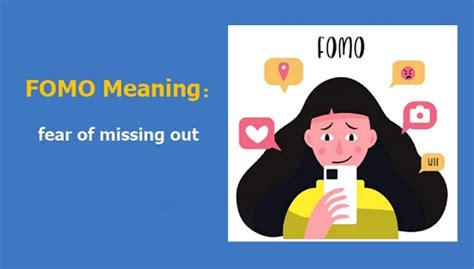
Red Flag #2: Aggressive Time-Limited Offers & Fear of Missing Out (FOMO)
Predatory gacha games excel at creating a sense of urgency. This manifests in frequent, short-duration banners for “meta-defining” characters or items, often accompanied by heavily discounted, one-time purchase bundles that disappear quickly. The fear of missing out (FOMO) on a powerful unit or an unbeatable deal can pressure players into impulsive spending. Constantly rotating new content, sometimes even before players have had a chance to fully enjoy or acquire previous content, is another tactic to keep the spending treadmill active.
Red Flag #3: Relentless Power Creep & Overt Pay-to-Win Elements
A classic predatory sign is a constant, rapid introduction of new characters or items that significantly outclass existing ones—known as power creep. This renders previously valuable acquisitions obsolete, forcing players to keep spending to remain competitive or enjoy the latest content. When core game progression, competitive modes (PvP), or even access to certain content becomes difficult or impossible without possessing the latest gacha pulls, the game crosses into overt pay-to-win territory, eroding the fairness and fun for F2P players.
Red Flag #4: Confusing UI, Obscured Information, & Predatory Bundles
Some games employ user interface (UI) design that deliberately obscures drop rates or makes it difficult to understand the true cost of bundles. For instance, creating multiple layers of virtual currency or presenting bundles with “massive discounts” that are still exorbitantly priced. Limited-time “beginner” packs that offer significant power boosts at a high price point, often during the initial honeymoon phase, can also be a sign. Games might also use “dark patterns” in their UI to subtly push players towards spending, such as prominently displaying premium currency purchase options or making free progression options less visible.
Red Flag #5: Emotional Manipulation & the Sunk Cost Fallacy
Predatory games often tap into players’ emotions. They might feature characters with deep backstories designed to create strong emotional attachments, making players more likely to spend to acquire them. The sunk cost fallacy is also heavily leveraged: after investing significant time or money into a game, players feel compelled to continue spending to “make that investment worthwhile,” even if they’re no longer enjoying the experience. Guild systems, competitive leaderboards, and social pressure can amplify these feelings, making it harder for players to disengage.
Protecting Yourself as a Player
- Research Before You Invest: Before diving deep, look up reviews, watch gameplay, and check community forums for discussions on monetization practices.
- Set Spending Limits: Decide on a strict budget for entertainment, and stick to it. Many platforms offer tools to help manage in-app purchases.
- Understand Drop Rates: Always check the published drop rates. If they’re not easily accessible or are confusing, that’s a red flag.
- Be Wary of FOMO: Recognize when a game is trying to trigger your fear of missing out. Most “must-have” units eventually get replaced or rerun.
- Prioritize Fun: If the game feels like a chore or a constant demand for money, it might be time to step back.
Conclusion: Play Smart, Not Hard-Pressured
While not all F2P gacha games are predatory, many employ tactics designed to maximize revenue, sometimes at the expense of player well-being. By staying informed and recognizing the red flags—from low drop rates and aggressive FOMO to power creep and emotional manipulation—players can better navigate this landscape. Whether it’s a small indie title or a AAA blockbuster, being vigilant empowers you to enjoy the games you love without falling victim to exploitative monetization. Play smart, play responsibly, and remember that your enjoyment should always come before the publisher’s bottom line.