




Managing screen time: How to enforce game limits without constant battles?

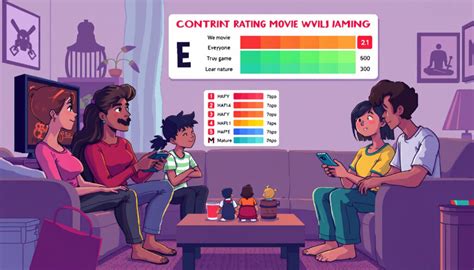
For many parents, the daily struggle over screen time, especially gaming, feels like an endless battle. Children are drawn to digital worlds, and parents worry about excessive use affecting their development, sleep, and social interactions. The good news is that enforcing limits doesn’t have to be a constant source of conflict. With the right strategies, clear communication, and consistent boundaries, you can guide your children towards a healthier digital balance, transforming tension into understanding and cooperation.
Understanding the Challenge
The allure of video games is powerful. They’re designed to be engaging, offering immediate rewards and social interaction, which can make it incredibly difficult for children to disengage. As parents, recognizing this intrinsic appeal is the first step. It’s not about villainizing games but understanding their role in your child’s life and how to manage them effectively. Unrealistic expectations or sudden, strict bans often backfire, leading to resentment and secret gaming.

Setting Clear Expectations and Boundaries
The cornerstone of effective screen time management is clear, consistent communication. Involve your children in the process of setting rules, within reason. When they feel heard, they are more likely to buy into the plan. Discuss why limits are important – for their health, sleep, schoolwork, and other activities. Establish specific rules: “Game time is from 4 PM to 5 PM on weekdays,” or “You can earn 30 minutes of gaming after chores and homework are done.”
Consider creating a “family media plan” together, outlining not just gaming limits but also rules for other devices, content, and appropriate online behavior. Visual aids like a whiteboard or printed schedule can reinforce these rules, making them feel less like arbitrary commands and more like agreed-upon family guidelines.
Implementing Smart Tools and Strategies
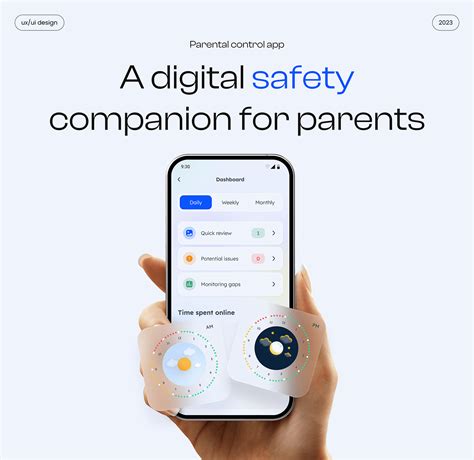
Technology can be both the problem and the solution. Utilize parental control features available on gaming consoles, computers, and mobile devices. These tools can automatically enforce time limits, block inappropriate content, and track usage, reducing the need for constant parental intervention. Many routers also offer scheduling features to restrict internet access during certain hours.
Beyond tech, develop strategies like a “landing strip” for transitioning away from games. Give a 10-minute warning, then a 5-minute warning, allowing children to reach a natural stopping point in their game. Offer an attractive alternative activity immediately afterward, like reading a book together, playing outside, or starting a craft project. This makes the transition smoother and less abrupt.
Fostering Engagement Beyond Screens
One of the most effective ways to reduce gaming battles is to ensure your child has plenty of compelling alternatives. Encourage participation in sports, music lessons, art classes, or community groups. Plan family outings, board game nights, or outdoor adventures. When children are genuinely interested and engaged in other activities, their reliance on screens naturally diminishes.

Help your child discover new hobbies. This isn’t about replacing gaming entirely but balancing it with a rich variety of experiences that contribute to their overall development and well-being. It also provides opportunities for quality family time and builds new skills.
Leading by Example and Consistency
Children are keen observers. If parents are constantly glued to their phones or devices, enforcing screen limits for kids can feel hypocritical. Model healthy screen habits yourself. Designate “device-free” times, such as during meals or an hour before bedtime. Show your children that there’s a world of interaction, creativity, and relaxation beyond glowing screens.

Consistency is key. Once rules are established, stick to them. Loosening limits one day and tightening them the next sends mixed signals and undermines your authority. While flexibility is occasionally necessary (e.g., during holidays), maintaining a predictable routine builds trust and helps children internalize the boundaries. Be prepared for pushback initially, but firm, calm enforcement will eventually lead to acceptance.
Managing screen time and game limits is an ongoing process that requires patience, understanding, and adaptability. By setting clear expectations, utilizing smart tools, promoting alternative activities, and modeling healthy habits, parents can navigate the digital landscape more effectively. The goal isn’t to eliminate gaming but to integrate it healthily into a balanced life, ensuring children develop a strong sense of self-regulation and a wide range of interests that extend far beyond the screen.