


Practical tips for managing kids’ gaming screen time without power struggles?

Navigating the Digital Playground with Peace
Managing kids’ gaming screen time is a common challenge for parents in today’s digital age. It’s a delicate balance between allowing exploration and fostering healthy habits, often leading to frustrating power struggles. But what if there was a way to set boundaries and encourage responsible gaming without daily arguments? This article explores practical, empathetic strategies to help you guide your child’s digital life with less conflict and more understanding.
Understanding the Allure of Gaming
Before imposing limits, it’s crucial to understand why gaming is so captivating for children. For many kids, games offer a sense of achievement, social connection with friends, problem-solving opportunities, and a way to unwind. Dismissing these motivations can make kids feel unheard, intensifying resistance to limits. Engaging with your child about what they enjoy in their games can open lines of communication and build trust.

Collaborative Rule-Setting: Your Family’s Media Plan
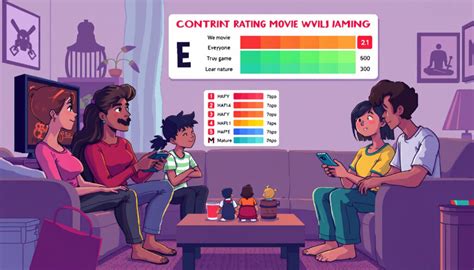
The most effective screen time rules are those created collaboratively. Involve your children in the discussion about screen time limits, appropriate content, and ‘tech-free’ zones or times. When kids have a say in creating the rules, they are more likely to take ownership and adhere to them. Draft a ‘Family Media Plan’ together, detailing when, where, and how long screen time is allowed, as well as outlining alternative activities. This fosters a sense of shared responsibility rather than feeling like rules are being imposed from above.

Setting Clear Expectations and Consistent Boundaries
Once rules are established, consistency is key. Clearly communicate expectations, such as specific time limits or ‘first-then’ rules (e.g., ‘First homework, then gaming’). Use visual timers or screen time management apps to help children track their own time. It’s vital to follow through with agreed-upon consequences for breaking rules, not as punishment, but as natural outcomes. This predictability helps children internalize boundaries and reduces the likelihood of arguments.
Encouraging a Balanced Lifestyle Beyond the Screen
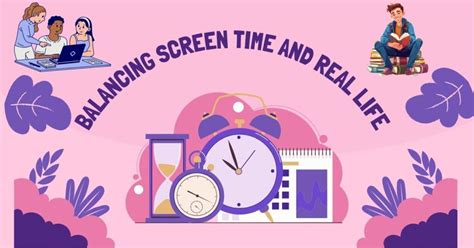
One of the best ways to reduce gaming conflicts is to ensure your child has a rich variety of engaging activities away from screens. Encourage hobbies like sports, reading, art, music, outdoor play, or spending time with friends in person. Offer choices and opportunities for them to discover new passions. When children have fulfilling alternatives, gaming becomes just one part of a balanced life, not the sole source of entertainment.

Modeling Healthy Digital Habits
Children are keen observers, and they will emulate what they see. Examine your own screen time habits. Are you constantly on your phone or computer? Do you have ‘tech-free’ times as a family? Leading by example is a powerful tool. Show your children that screens are tools to be used purposefully, not constant companions. Engage in conversations, share meals without devices, and dedicate time to non-digital activities together.

Mastering the Art of Smooth Transitions
Many power struggles arise during transitions, especially when it’s time to stop gaming. Implement strategies for smoother transitions: give a 10-minute warning, then a 5-minute warning. Agree on natural ‘stopping points’ within games (e.g., ‘finish this level’ or ‘complete this mission’). Avoid abrupt cut-offs, which can feel unfair and provoke resistance. Frame the end of gaming as a transition to another fun or necessary activity, reinforcing the idea of balance.

Building a Foundation of Trust and Respect
Managing gaming screen time doesn’t have to be a battle. By fostering open communication, collaborating on rules, setting clear expectations, and modeling healthy habits, parents can guide their children towards responsible digital citizenship. The goal isn’t to eliminate screens, but to teach balance, self-regulation, and the joy of a diverse life, all while preserving a positive, trusting relationship with your child.