

How to use ESRB ratings to pick safe, fun games?
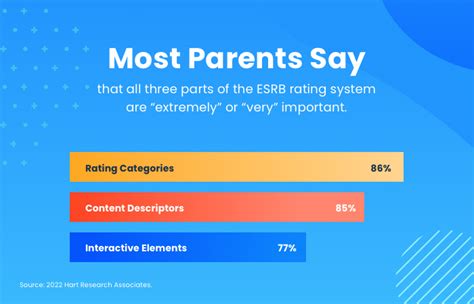
Understanding the ESRB System
Navigating the vast world of video games can be daunting for parents. With countless titles released annually, ensuring your children play games that are not only fun but also appropriate for their age and maturity level is a significant concern. This is where the Entertainment Software Rating Board (ESRB) comes in, providing a standardized system designed to help parents make informed choices.
The ESRB assigns ratings to video games and apps, offering clear, concise information about their content. Think of it as a nutritional label for games, detailing what’s inside so you can decide if it’s right for your family. Understanding this system is the first step towards empowering yourself to pick safe and enjoyable gaming experiences.
Decoding the Rating Categories
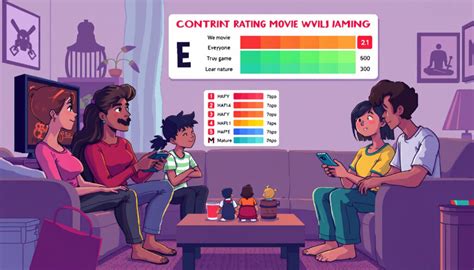
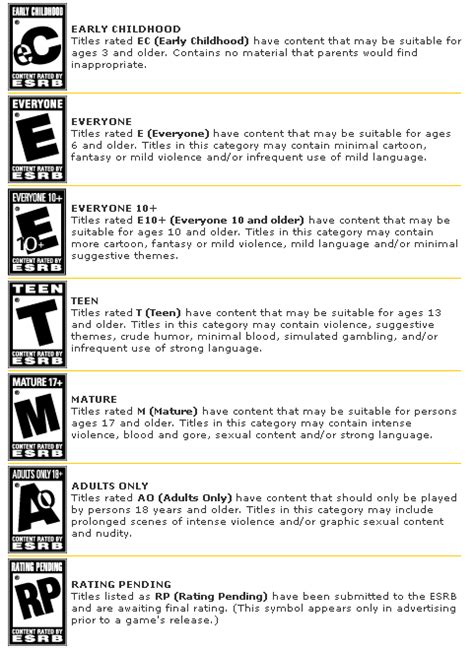
The core of the ESRB system lies in its age-based rating categories, prominently displayed on game packaging and digital store listings. These categories provide a quick guide to a game’s suitability for different age groups:
- E for Everyone: Content is generally suitable for all ages. May contain minimal cartoon, fantasy or mild violence and/or infrequent mild language.
- E10+ for Everyone 10+: Content is generally suitable for ages 10 and up. May contain more cartoon, fantasy or mild violence, mild language, and/or minimal suggestive themes.
- T for Teen: Content is generally suitable for ages 13 and up. May contain violence, suggestive themes, crude humor, minimal blood, simulated gambling, and/or infrequent use of strong language.
- M for Mature: Content is generally suitable for ages 17 and up. May contain intense violence, blood and gore, sexual content, and/or strong language.
- AO for Adults Only: Content should only be played by adults ages 18 and up. May include prolonged scenes of intense violence, graphic sexual content, and/or gambling with real currency.
- RP for Rating Pending: Title has been submitted to the ESRB and is awaiting a final rating. This appears only on promotional materials prior to a game’s release.

The Importance of Content Descriptors
While the rating category gives you a broad idea, the true depth of the ESRB system comes from its Content Descriptors. These are concise phrases that detail the specific types of content that triggered the game’s rating and may be of interest or concern to parents. They are listed below the rating symbol.
For example, a game rated ‘T for Teen’ might have descriptors like ‘Fantasy Violence,’ ‘Mild Language,’ and ‘Suggestive Themes.’ Another ‘T’ rated game could list ‘Blood,’ ‘Alcohol Reference,’ and ‘Crude Humor.’ These descriptors explain *why* a game received its rating, allowing you to tailor your choices to your child’s specific sensitivities and your family’s values. Always read these descriptors carefully – they provide invaluable insights.
Considering Interactive Elements and In-Game Purchases
Beyond traditional content, modern gaming introduces additional elements that parents should be aware of. The ESRB also includes notations for:
- In-Game Purchases: Alerts parents that the game offers digital goods or premiums for purchase with real-world money (e.g., bonus levels, character skins, loot boxes, subscriptions).
- Users Interact: Indicates that the game enables interaction between users, potentially exposing players to user-generated content or direct communication with other players (e.g., chat, voice communication, shared content).
These labels are crucial for managing spending and ensuring your child’s online safety when interacting with others in multiplayer environments. Discussing these aspects with your children can help them understand boundaries and safe online practices.

Putting ESRB Ratings into Practice
Knowing how the ESRB system works is one thing; effectively applying it is another. Here are practical tips for parents:
- Always Check: Before purchasing or allowing a new game, always check its ESRB rating and content descriptors. Don’t rely on assumptions or a game’s appearance.
- Talk to Your Kids: Engage in conversations with your children about the games they want to play. Ask them why they’re interested and what they expect from the game.
- Play Together: When possible, play games with your children. This firsthand experience will give you a deeper understanding of the content and gameplay.
- Utilize Parental Controls: Most gaming consoles and operating systems offer robust parental control settings that can restrict games based on ESRB ratings, manage screen time, and control online interactions.
- Trust Your Judgment: The ESRB is a guide, but you know your child best. A game rated ‘E10+’ might still be too intense for a particularly sensitive 10-year-old, or a ‘T’ rated game might be perfectly fine for a mature 12-year-old under your supervision.

Beyond the Rating: A Holistic Approach
While ESRB ratings are indispensable, they are just one piece of the puzzle. A holistic approach to gaming also involves:
- Managing Screen Time: Balance gaming with other activities like homework, outdoor play, and family time.
- Understanding Game Types: Discuss the difference between cooperative games, competitive games, and single-player experiences, and how each might impact your child.
- Open Communication: Foster an environment where your children feel comfortable discussing their online experiences, challenges, or anything that makes them uncomfortable.
Conclusion: Empowering Parents for Smarter Gaming
The ESRB rating system is a powerful, free tool designed to simplify parental decision-making in the complex world of video games. By understanding its categories, delving into content descriptors, and being aware of interactive elements, you can confidently select games that align with your family’s values and your child’s developmental stage. This proactive approach ensures that gaming remains a fun, enriching, and safe part of your child’s life, fostering responsible digital citizenship from an early age.