



What specific guide format best teaches new players core game loops fast?
Understanding the Core Game Loop Challenge
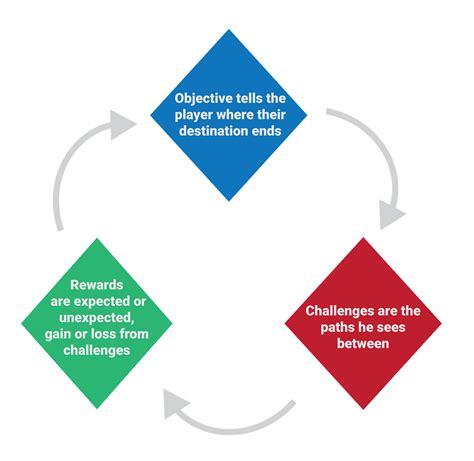
The initial hours a new player spends with a game are critical. It’s during this fragile period that they either grasp the fundamental “core loop” – the cycle of actions and rewards that defines the gameplay – or become disoriented and eventually churn. The challenge isn’t just to explain mechanics, but to instill an intuitive understanding of why they matter and how they contribute to the overall experience, all at lightning speed.

The Pitfalls of Traditional Onboarding
Many games still rely on outdated onboarding methods. Lengthy text boxes, unskippable cutscenes explaining abstract concepts, or overwhelming UI pop-ups can quickly deter new players. These methods often dump information without context, making it difficult for players to connect the dots between what they’re told and what they need to do. The goal isn’t just information transfer, but skill acquisition and engagement.
A truly effective guide format needs to be more than just instructional; it must be an integrated part of the early game experience, actively pulling players into the loop rather than pushing them through a lecture.
Interactive Contextual Tutorials: Learning by Doing
Without a doubt, the most effective format for teaching core game loops rapidly is the interactive, contextual tutorial. This approach focuses on “learning by doing” where players are immediately placed into the game world and guided through specific actions that constitute the core loop. Instead of reading about movement, players move. Instead of reading about combat, they engage in simple, guided combat scenarios.

Key elements include:
- Guided Actions: Clear prompts and visual cues direct players to perform the next necessary action. This could be highlighted UI elements, glowing paths, or direct commands.
- Just-in-Time Information: Tooltips and brief explanations appear only when relevant to the current action, avoiding information overload.
- Immediate Feedback: Players receive instant feedback on their actions, reinforcing correct behaviors and gently correcting mistakes.
- Gradual Introduction (Progressive Disclosure): Mechanics are introduced one at a time, building complexity incrementally. The first few minutes might only teach movement and basic interaction, before moving onto more complex systems like resource gathering or crafting.
Visual-First & Gamified Onboarding
Beyond direct interaction, leveraging strong visuals can significantly speed up comprehension. Short, animated clips or concise infographics can convey complex relationships (e.g., crafting recipes, combat flowcharts) much faster than text. Imagine an animated sequence showing a character gathering resources, crafting an item, and then using it – a perfect visual representation of a core loop.

Gamification within the tutorial itself also proves highly effective. Presenting initial learning objectives as mini-quests, challenges, or “first steps” with small, immediate rewards encourages players to engage with and master the core loops. This turns the learning process into an enjoyable part of the game rather than a chore.
The Power of Practice and Repetition
Fast learning isn’t just about quick understanding; it’s about quick internalization. The best guide formats incorporate opportunities for immediate, low-stakes practice. After teaching a core mechanic, the game should quickly provide a safe environment for the player to repeat the action several times. This repetition solidifies the muscle memory and cognitive pathways associated with the core loop, making it second nature.
Consider the tutorial design of many successful action RPGs or strategy games: they often provide a safe starting zone where players can experiment with basic combat or build orders without fear of failure, gradually increasing the difficulty and introducing new elements.
Conciseness and Pacing are Paramount
Regardless of the specific format, conciseness is key. Every word, every instruction, every visual cue should serve the purpose of teaching the core loop efficiently. Eliminate jargon where possible, or explain it immediately. The pacing must be carefully controlled, allowing players enough time to absorb information and act, but not so much that they become bored or frustrated by slow progression.

Ultimately, the most effective guide format for teaching new players core game loops fast is a blend of interactive, contextual learning, supported by visual aids, gamified challenges, and a focus on immediate practice and feedback. By immersing players directly into the loop with minimal friction and maximum clarity, games can ensure a strong foundation for long-term engagement.