




How to simplify complex game mechanics for new players in a beginner game guide?
The Challenge of Complexity in Gaming
Navigating the intricate worlds of modern video games can be daunting for newcomers. From elaborate skill trees and intricate combat systems to nuanced economic models and deep lore, many games present a steep learning curve. A well-crafted beginner’s guide isn’t just helpful; it’s crucial for player retention and enjoyment. The goal is not to dumb down the game, but to illuminate its depths in an accessible, step-by-step manner.
Core Principles for Effective Simplification
Before diving into specific writing techniques, understand the foundational principles that make complex information digestible.
1. Break It Down (Chunking)
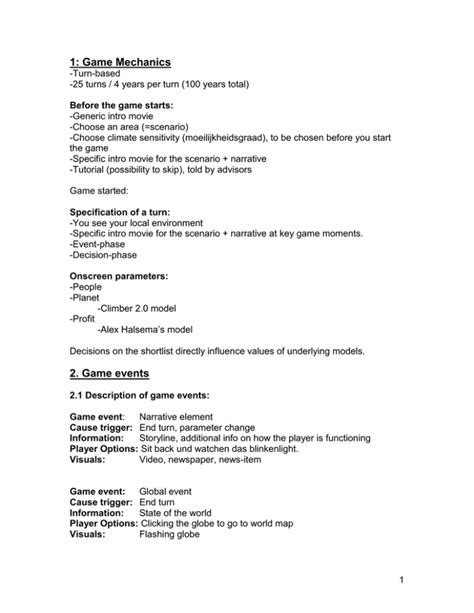
The human brain processes information best in small, manageable chunks. Instead of presenting a massive wall of text about an entire system, divide it into its constituent parts. For example, explain “combat” by first covering “basic attacks,” then “special abilities,” then “defensive maneuvers,” and finally “resource management in combat.”
2. Start with the “Why” and “What” Before “How”
Players are more likely to absorb information if they understand its purpose. Explain why a mechanic exists and what it accomplishes before detailing how to execute it. “This bar represents your character’s Stamina (the ‘what’). You need it for sprinting and special attacks (the ‘why’). To replenish it, stop moving or use a potion (the ‘how’).”
3. Use Relatable Analogies and Metaphors
Connect new, abstract concepts to familiar real-world experiences or simpler game concepts. A complex crafting system could be compared to cooking, where you combine ingredients according to a recipe. A game’s “aggro” system might be like a dog chasing the person holding a treat.

4. Prioritize and Layer Information (Progressive Disclosure)
Not all information is equally important at the start. Focus on the absolute essentials for initial play, then progressively introduce more advanced concepts as the player gains experience. A beginner doesn’t need to know every possible build path or advanced raid strategy in their first hour. Start with “how to move and attack” before “optimal gear enchanting strategies.”
5. Leverage Visual Language (Even in Text)
While a text guide can’t offer actual diagrams, you can use descriptive language to paint a clear mental picture. Refer to on-screen elements, icons, and UI components explicitly. “Look for the green health bar above your character’s head,” or “The glowing sword icon indicates your primary attack.”
Practical Techniques for Writing Your Guide
Applying these principles to your guide requires specific writing tactics.
1. Clear, Concise Language and Jargon Management
Avoid overly academic or convoluted sentences. Use direct, active voice. When game-specific jargon is unavoidable, define it clearly and consistently. Consider a dedicated “Glossary of Terms” section for quick reference.
2. Step-by-Step Instructions
For any action-oriented mechanic, provide numbered or bulleted step-by-step instructions. “To cast a spell: 1. Select the spell from your hotbar. 2. Target an enemy. 3. Click the cast button.”

3. Practical Examples and Scenarios
Illustrate mechanics with concrete in-game examples. Instead of just saying “damage types matter,” explain: “If an enemy is resistant to fire, try using your ice spell instead for more damage.”
4. Anticipate Common Questions and Pitfalls
Think like a new player. What will confuse them? What common mistakes do people make? Address these proactively in your guide, perhaps with a “Troubleshooting” or “Common Beginner Mistakes” section. “A common mistake is forgetting to equip new gear – always check your inventory after looting!”
5. Encourage Experimentation and Practice
Remind players that understanding comes with doing. A guide provides the map, but they must walk the path. Encourage them to try out mechanics in safe environments or practice modes.
![[CH1] NEW PLAYER GUIDE !! The Tips and Tricks I use to Get Good ...](/images/aHR0cHM6Ly90czEubW0uYmluZy5uZXQvdGg/aWQ9T0lQLkZCWXFUTG9mTDJvcTVVZEQ1UkJ5NUFIYUVLJnBpZD0xNS4x.webp)
Maintaining an Encouraging and Patient Tone
The tone of your guide is as important as its content. Be patient, supportive, and encouraging. Acknowledge that learning takes time and that it’s okay to make mistakes. Avoid condescending language or assuming prior knowledge. Your goal is to be a helpful mentor, not a strict professor.

Conclusion: Empowering New Adventures
Simplifying complex game mechanics for new players is an art form. By breaking down information, using relatable explanations, layering concepts, and adopting a clear, patient tone, you empower newcomers to not just play, but truly understand and enjoy the game. A great beginner guide doesn’t just teach controls; it unlocks the full potential of the game experience, transforming potential frustration into genuine fun and engagement. Your efforts will foster a stronger, more vibrant player community.