



How can a beginner game guide introduce complex mechanics without overwhelming new players?
Introducing intricate game mechanics to new players without overwhelming them is a delicate balancing act for any game guide creator. The goal is to onboard beginners effectively, transforming potential frustration into engaging learning. This requires a thoughtful approach, breaking down complexity into manageable, digestible segments and presenting them in an intuitive manner.
Start with the Basics, Build Gradually
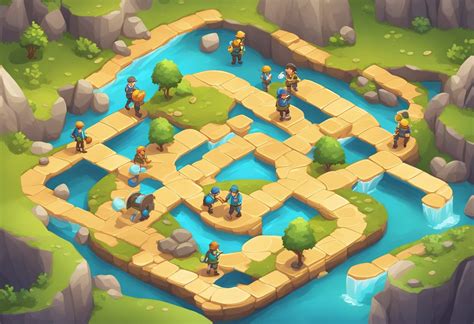
The cornerstone of any successful beginner guide is a clear progression from simple concepts to more complex ones. Avoid dumping a multitude of mechanics on a player from the outset. Instead, identify the absolute fundamental actions and concepts required to play the game minimally, then build upon this foundation. Each new mechanic introduced should ideally leverage or connect to previously learned information, creating a natural learning path. Think of it as teaching individual letters before words, and words before sentences.
Prioritize and Contextualize Information
Not all mechanics are equally important at the start of a player’s journey. Prioritize those essential for immediate gameplay and initial success. Introduce mechanics only when they become relevant within the game’s context. For instance, advanced crafting or deep economic systems might be hinted at, but fully explained only once the player reaches a point where those systems actually matter. Using in-game scenarios or examples helps players understand the “why” and “when” of a mechanic, rather than just the “how.”
Leverage Visuals and Interactive Elements
Text-heavy explanations can quickly become tedious. Incorporate screenshots, diagrams, flowcharts, or even short video clips to illustrate complex processes. Visual aids can convey information much more efficiently and effectively than paragraphs of text. Furthermore, consider interactive elements within the guide or the game itself, such as guided tutorials, interactive prompts, or pop-up explanations that appear when a player encounters a new element. This hands-on experience solidifies understanding.
Provide Progressive Challenges and Practice Opportunities
Learning is reinforced through practice. Design the guide (or the early game experience) to include mini-challenges or scenarios that require the player to actively use newly introduced mechanics. Start with simple tasks and gradually increase their complexity. This allows players to build confidence and master skills at their own pace. Offering optional “advanced tips” or “deep dive” sections can cater to players who are ready for more, without forcing it upon those who aren’t.

Keep Language Clear and Concise
Simplicity is key. Avoid overly technical jargon or explain it clearly when necessary. Use short sentences and direct language. Break down lengthy explanations into bullet points or numbered lists for readability. A beginner guide should feel approachable and friendly, not like a technical manual. Focus on explaining the core function and impact of a mechanic, rather than exhaustive technical details that might be overwhelming.

Embrace a “Learn-as-you-Go” Philosophy
Modern game design often favors teaching through play rather than extensive upfront tutorials. A guide can complement this by offering just enough information to get started, with readily accessible deeper explanations for when players inevitably have questions. Implement in-game tooltips, context-sensitive hints, and easy access to an in-game wiki or guide. This empowers players to explore and learn at their own pace, seeking information when they feel ready and have a genuine need for it.
Conclusion
Crafting a beginner game guide that effectively introduces complex mechanics without overwhelming new players is an art. It involves strategic pacing, visual support, practical application, and clear communication. By adopting a gradual, contextualized, and player-centric approach, guide creators can ensure new players not only grasp the fundamentals but also feel confident and eager to delve deeper into the rich tapestry of the game world.