


How to set healthy screen time limits for kids’ gaming without constant arguments?

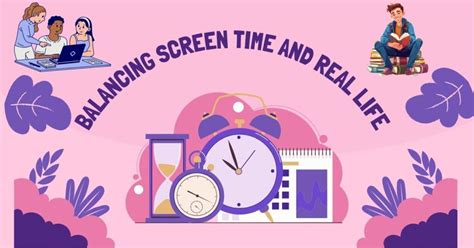
For many parents, the phrase “screen time” often conjures images of endless negotiations, frustrated sighs, and the inevitable power struggle. In an age where digital gaming is an integral part of childhood, finding a balance between allowing kids to enjoy their virtual worlds and ensuring they develop healthy habits can feel like walking a tightrope. The good news is that setting healthy screen time limits for gaming doesn’t have to be a constant source of conflict. By adopting thoughtful strategies and fostering open communication, you can transform these potential arguments into opportunities for growth and mutual understanding.
Why Screen Time Becomes a Battleground
The resistance to screen time limits often stems from several factors. Children view gaming not just as entertainment, but as a crucial social outlet, a way to connect with friends, and a platform for skill development. Parents, on the other hand, worry about academic performance, physical activity, sleep patterns, and exposure to inappropriate content. When these perspectives clash without clear boundaries or shared understanding, arguments become the default.
Shifting from Conflict to Collaboration
The key to reducing arguments lies in shifting the dynamic from parental imposition to collaborative rule-making and fostering a sense of ownership in your child. Here are actionable strategies to achieve this:
Involve Your Kids in the Rule-Making
Instead of dictating rules, sit down with your children and discuss screen time together. Ask them what they think are fair limits, what games they enjoy, and why. Explain your concerns in an age-appropriate way. When kids feel heard and have a say in the rules, they are far more likely to adhere to them. This empowers them and teaches valuable negotiation skills.

Establish Clear, Consistent, and Visible Rules
Once rules are agreed upon, make them crystal clear. Write them down and post them in a visible place, like the fridge or near the gaming console. Consistency is paramount; wavering on rules sends mixed signals and invites further negotiation. Ensure all caregivers (parents, grandparents, babysitters) are aware of and enforce the same limits.
Implement a “Screen Time Budget”
Instead of fixed daily limits, consider a weekly “screen time budget.” This gives kids more flexibility and teaches time management. For example, they might have 7 hours for gaming per week, which they can allocate as they wish, saving up for a longer session on the weekend or spreading it out. This approach fosters responsibility and planning skills.

Offer Engaging Alternatives
Often, kids gravitate towards screens out of boredom or a lack of other engaging options. Actively encourage and facilitate non-screen activities. This could be playing board games, reading, going to the park, engaging in creative projects, or simply spending time together as a family. Make these alternatives appealing and readily available.

Lead by Example
Children are master imitators. If they constantly see you glued to your phone or tablet, your arguments for their limited screen time will ring hollow. Model healthy digital habits yourself. Put away your devices during family meals, designate device-free zones, and engage in offline activities. Show them that there’s a fulfilling world beyond screens.
Focus on Quality, Not Just Quantity
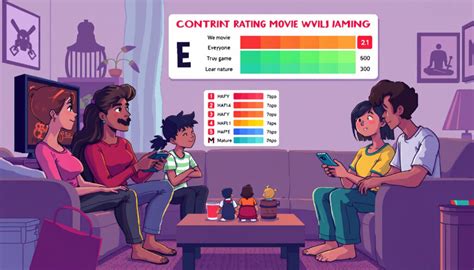
Not all screen time is created equal. Differentiate between passive consumption (mindless scrolling) and active, engaging, or educational screen time (like learning a new skill through a game, coding, or video calls with relatives). Discuss the content of their games and help them choose age-appropriate and beneficial options. Encourage games that promote problem-solving, creativity, or teamwork.

Leverage Technology Wisely
Many gaming consoles, smartphones, and routers offer parental control features. These can help enforce limits, filter content, and even schedule device downtime. While technology shouldn’t replace communication, it can be a useful tool to help maintain boundaries, especially for younger children, reducing the need for constant nagging.
Practice Empathy and Active Listening
When disagreements arise, approach them with empathy. Acknowledge your child’s feelings (“I know it’s frustrating when you have to stop playing in the middle of a game”). Listen to their perspective without immediately dismissing it. Together, you might find a compromise, like finishing the current level before logging off, or agreeing on a specific time for their next session.

Conclusion: Building Lasting Habits
Setting healthy screen time limits for kids’ gaming is an ongoing process, not a one-time fix. It requires patience, consistency, and a willingness to adapt as your children grow. By involving your kids in the process, setting clear expectations, offering appealing alternatives, and modeling healthy habits yourself, you can move beyond constant arguments. The goal is not just to limit screen time, but to teach your children self-regulation, responsibility, and the value of a balanced life, fostering a positive relationship with technology that will benefit them for years to come.