




Is this F2P gacha worth my time? Spotting fair monetization vs. whale bait.
Free-to-play (F2P) gacha games have become a dominant force in the mobile gaming landscape, offering compelling gameplay, intricate characters, and the thrill of the pull. Yet, beneath the shiny exterior lies a monetization model often criticized for its potential to exploit players. For every title celebrated for its generosity, there are countless others designed primarily to extract maximum revenue from a small percentage of high-spending individuals, often referred to as “whales.” So, how can you discern whether a new gacha game is a genuine time investment or just another money sink?
The Gacha Lure: Understanding Its Appeal
The core appeal of gacha games is undeniable. They tap into our innate desire for collecting, progression, and the excitement of chance. The promise of obtaining a rare character, a powerful weapon, or a unique cosmetic item drives engagement, often facilitated by daily logins, events, and a steady drip-feed of new content. For many, the F2P model means they can enjoy a high-quality gaming experience without an upfront cost, making it an attractive proposition.
Spotting the Red Flags: When F2P Becomes Whale Bait
Identifying predatory monetization practices is crucial for protecting your wallet and your time. A common tactic is aggressive power creep, where newly released characters or items are significantly stronger than previous ones, quickly making older investments obsolete. This pressures players to constantly pull for the latest meta units just to keep up.
Another warning sign is the prevalence of limited-time exclusive banners with extremely low drop rates and insufficient “pity” systems. A good pity system guarantees a rare item after a certain number of pulls, offering a safety net. Poor systems might reset pity on banner changes, have very high thresholds, or only offer a generic rare item instead of the featured one. Steep progression walls that demand either immense grinding or significant spending on stamina refills, experience boosts, or upgrade materials also point towards whale bait.
Signs of Fair Monetization: A Developer That Respects Its Players
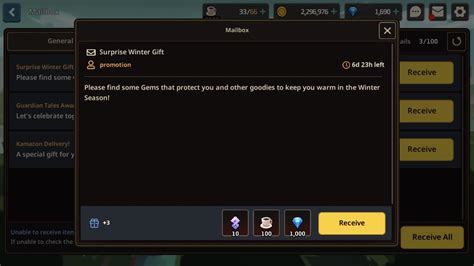
Conversely, many F2P gacha games manage to implement fair monetization practices that allow both free and paying players to thrive. Look for games that offer generous amounts of premium currency through in-game activities, events, and daily quests. This allows F2P players to consistently engage with the gacha system without feeling perpetually behind.
A well-designed gacha will also feature accessible F2P progression paths. This means core game content, even end-game challenges, can be cleared with non-premium characters or through strategic gameplay and consistent effort. Strong, guaranteed pity systems (soft and hard) that carry over between banners or offer choice are excellent indicators. Finally, monetization primarily focused on cosmetics, battle passes that offer good value, and optional quality-of-life enhancements rather than essential power boosts suggests a healthier ecosystem.

The ‘Time vs. Money’ Equation: Your Personal Investment
Even in fair games, understanding your personal tolerance for grinding and your budget is key. Some players enjoy the grind and are willing to dedicate hours daily to maximize their F2P gains. Others prefer to spend a small amount for convenience or to accelerate progress. The issue arises when the game aggressively pushes you towards spending to alleviate tedious or insurmountable F2P hurdles. Ask yourself: Does this game respect my time as a free player, or does it constantly make me feel like I need to pay to enjoy it properly?

Making Your Decision: A Checklist Before Diving In
Before committing significant time to a new F2P gacha, do some research. Check community forums, Reddit, and content creator reviews for discussions on the game’s monetization strategy. Pay attention to feedback regarding power creep, drop rates, and developer communication. A transparent developer that actively listens to its community and addresses concerns about balance or monetization is a good sign. Also, consider the game’s long-term content roadmap. Is there a sustainable stream of events, updates, and new features, or does it feel like a quick cash grab?
Conclusion
Navigating the F2P gacha landscape requires a discerning eye. By understanding the common red flags of whale bait and recognizing the hallmarks of fair monetization, you can make informed decisions about where to invest your precious time and, potentially, money. Seek out games that offer a genuine, enjoyable experience for all players, not just those willing to open their wallets widest. Ultimately, a truly worthwhile gacha game is one that respects its entire player base, fostering a community that can thrive regardless of spending habits.