


Cozy family games: How to engage all ages despite skill gaps?

Family game nights are a cherished tradition, a perfect opportunity to connect, laugh, and create lasting memories. However, the dream of a harmonious game session can quickly turn into a nightmare when skill gaps between different ages become apparent. A 7-year-old might feel overwhelmed by a complex strategy game, while a teenager might find a simple children’s game too boring. The good news? With the right approach and a little creativity, you can foster an environment where everyone feels engaged and included, making “cozy” truly mean “everyone together.”
Choosing Games for Universal Appeal
The foundation of a successful multi-generational game night lies in selecting the right games. Look for titles that inherently minimize skill differences or offer mechanisms to balance play. Cooperative games are often a golden ticket, as players work together towards a common goal rather than against each other. Classics like Pandemic (for older kids and adults) or Forbidden Island (more accessible) allow everyone to contribute their ideas and effort, making success a shared victory and failure a shared learning experience.
Games that rely on luck, observation, or creative thinking rather than pure strategy can also level the playing field. Think about games like Ticket to Ride, which is easy to learn but still offers engaging choices, or party games like Dixit, where imagination trumps tactical prowess. Team-based games, where older and younger players can be paired, also work wonders for balancing abilities and encouraging mentorship.
Adapting Rules and Fostering an Inclusive Mindset
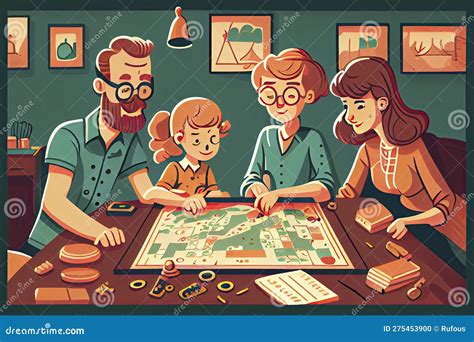
Sometimes, the perfect game needs a little tweaking. Don’t be afraid to house-rule! For younger children, you might simplify complex rules, offer hints, or even let them “bank” an extra turn. For competitive adults, remind everyone that the goal is fun and connection, not just winning. Emphasize process over outcome. Celebrate clever moves from younger players and commend patience from older ones.
Creating an inclusive mindset starts before the game even begins. Talk about what games everyone enjoys and why. Frame the evening as a collective adventure rather than a cutthroat competition. Encourage empathy and support, where older siblings help younger ones understand their options, and parents model good sportsmanship.
Beyond the Board: Tips for Engagement
Focus on the Experience, Not Just the Score
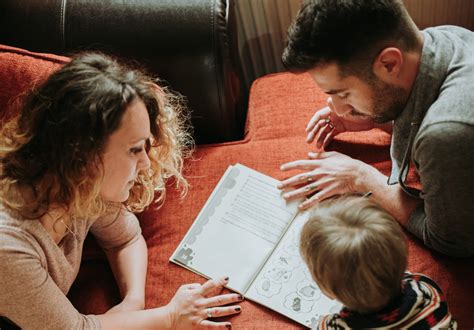
Shift the focus from who is winning to the shared experience. Is everyone laughing? Are they talking, collaborating, and having fun? These are the true markers of a successful family game night. Sometimes, the most memorable moments come from silly mistakes, unexpected turns, or hilarious interactions, not from the final score.
Take Breaks and Vary Activities
Shorter attention spans, especially in younger children, mean that long, drawn-out games can lead to disengagement. Plan for breaks, perhaps for snacks, a quick stretch, or even a different, shorter activity to reset the energy. Consider having a “game buffet” where you play 2-3 shorter games instead of one long one, catering to different preferences throughout the evening.

Be a Facilitator, Not Just a Player
As the primary host, your role might evolve beyond just playing. You might need to gently guide conversations, explain rules patiently (multiple times if necessary), encourage quieter participants, or even strategically ‘lose’ a round to keep the spirits high for struggling players. Your enthusiasm and willingness to adapt are contagious.
Recommended Game Types for Bridging Gaps
- Cooperative Games: Everyone works together against the game itself. Examples: Forbidden Island, Hanabi, The Mind, Outfoxed!
- Party Games: Often rely on creativity, charades, or simple guessing, making skill less critical. Examples: Pictionary, Charades, Dixit, Apples to Apples, Wavelength
- “Luck Mitigation” Games: While luck plays a role, players can make interesting choices. Examples: Ticket to Ride, King of Tokyo, Sushi Go!
- Storytelling Games: Encourage imagination and collaboration, with no “wrong” answers. Examples: Rory’s Story Cubes, Once Upon a Time

Ultimately, the goal of cozy family games is to foster connection and joy. By thoughtfully selecting games, adapting rules, prioritizing fun over competition, and embracing your role as a cheerful facilitator, you can transform potential skill gaps into opportunities for learning, bonding, and unforgettable family moments. So, gather your loved ones, pick a game, and let the laughter begin!