




What are essential parental controls for safe, age-appropriate gaming?
In today’s digital age, video games are an integral part of many children’s lives. While gaming offers numerous benefits, from cognitive development to social interaction, it also presents potential risks if not managed properly. Establishing robust parental controls is not about restricting fun, but about creating a safe, balanced, and age-appropriate environment for children to explore virtual worlds responsibly. This guide will outline the essential parental controls every parent should consider to safeguard their child’s gaming experience.
Understanding Game Ratings: Your First Line of Defense

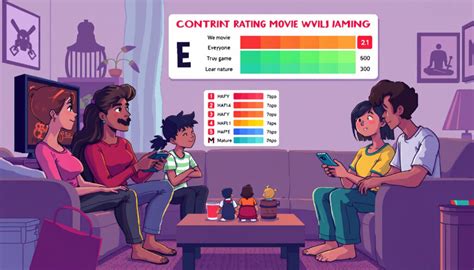
Before any game makes it into your home, understanding its age rating is paramount. Organizations like the Entertainment Software Rating Board (ESRB) in North America or the Pan European Game Information (PEGI) in Europe provide clear labels indicating content suitability. These ratings consider factors such as violence, language, suggestive themes, and drug references. Always check these ratings on game boxes or digital storefronts. Most gaming platforms allow you to restrict access based on these ratings, ensuring your child only plays games deemed appropriate for their age group.
Managing Screen Time: Setting Healthy Boundaries
One of the most common concerns for parents is excessive screen time. Modern gaming consoles, PCs, and mobile devices offer built-in features to manage how long and when children can play. These controls allow parents to set daily limits, enforce bedtime restrictions, and even schedule gaming sessions. Consistent enforcement of these limits teaches children balance and helps prevent gaming from interfering with schoolwork, sleep, or other family activities.

Controlling In-Game Purchases and Microtransactions
Many games, especially free-to-play titles, include microtransactions or opportunities for in-game purchases. These can range from cosmetic items to significant gameplay advantages, and costs can quickly add up if not monitored. Most gaming platforms and app stores provide robust settings to disable or require a password for all purchases. Activating these controls is crucial to prevent unauthorized spending and teach children about the value of money and responsible consumption.
Monitoring Online Interactions and Communication
Multiplayer Safety and Privacy Settings
Online multiplayer games offer social interaction but also expose children to potential risks, including cyberbullying, inappropriate language, or contact with strangers. Essential controls include:
- Communication Restrictions: Many platforms allow you to disable in-game chat, voice chat, or limit communication to “friends only.”
- Friend Request Management: Restrict who can send friend requests or require parental approval.
- Privacy Settings: Configure who can view your child’s profile, activity, and game stats.
- Reporting Tools: Teach your child how to use in-game reporting tools for inappropriate behavior.

Utilizing Platform-Specific Parental Controls
Every major gaming platform – PlayStation, Xbox, Nintendo Switch, PC (Steam, Epic Games), and mobile operating systems (iOS, Android) – offers a comprehensive suite of parental control features. These usually include a central dashboard or settings menu where you can configure:
- Content filtering based on age ratings.
- Screen time limits and schedules.
- Purchase restrictions for games and in-game items.
- Communication and privacy settings for online play.
- Access to web browsers or external apps.
Familiarize yourself with the specific controls available on each device your child uses and set them up according to your family’s rules and your child’s maturity level.

The Importance of Open Communication and Education
While technical controls are vital, they are most effective when coupled with open communication. Talk to your children about what games they are playing, who they are playing with, and what they encounter online. Educate them about online etiquette, the dangers of sharing personal information, and how to respond to inappropriate content or behavior. Encourage them to come to you if they experience anything uncomfortable or concerning. A trusting relationship empowers children to make safer choices even when parental controls aren’t present.

Conclusion
Implementing essential parental controls for gaming is an ongoing process that requires vigilance and adaptability. By leveraging age ratings, managing screen time, controlling purchases, securing online interactions, and utilizing platform-specific features, parents can create a safer and more positive gaming environment. Remember, these tools are best used in conjunction with open dialogue and education, fostering a culture of responsible gaming that benefits the entire family.