




Practical advice: How to select age-appropriate games & manage screen time effectively?

Navigating the Digital Playground: A Parent’s Guide
In today’s digital age, screens are an undeniable part of childhood. While video games and apps offer entertainment and educational opportunities, parents often grapple with two significant challenges: how to choose games that are right for their child’s age and how to manage screen time effectively without constant battles. This guide offers practical advice to help you navigate the digital landscape with confidence, fostering healthy digital habits for your family.

Understanding Age-Appropriateness in Games
Selecting games that align with your child’s developmental stage is crucial for their well-being and positive digital experience. Age-appropriateness goes beyond mere content; it considers cognitive skills, emotional maturity, and exposure to themes that might be overwhelming or confusing.
Decode Rating Systems
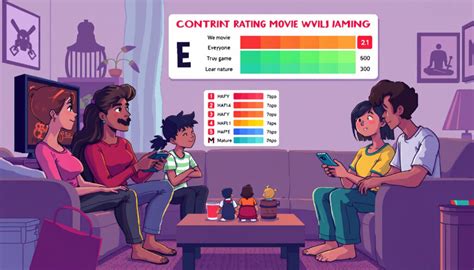
The first line of defense is understanding official game rating systems. Organizations like the Entertainment Software Rating Board (ESRB) in North America, PEGI in Europe, or USK in Germany provide age recommendations and content descriptors. For example, an ESRB rating of ‘E’ (Everyone) indicates content suitable for all ages, while ‘T’ (Teen) suggests content appropriate for ages 13+. Always look beyond the age and read the content descriptors (e.g., fantasy violence, mild language, scary moments) to get a clearer picture of what the game entails.

Beyond the Ratings: Individual Maturity Matters
While ratings are a great starting point, they are not a one-size-fits-all solution. Consider your child’s individual maturity, sensitivity, and interests. A game rated ‘E’ might still be too complex for a very young child, and a child who is sensitive to certain themes might react differently than another of the same age. Pay attention to:
- Cognitive Complexity: Does the game require skills your child has developed (reading, problem-solving, strategic thinking)?
- Emotional Content: Are there themes of fear, loss, or intense competition that might be distressing?
- Social Interaction: Does the game involve online multiplayer, and is your child ready for those dynamics?
Practical Tips for Selecting Games
Being an informed parent means doing a little research and engaging with your child’s interests.
- Research Reviews: Websites like Common Sense Media offer detailed reviews from a parent’s perspective, often including insights on educational value and potential pitfalls.
- Watch Gameplay Videos: Before purchasing, watch gameplay videos on platforms like YouTube. This gives you a clear idea of the game’s mechanics, graphics, and general tone.
- Play Together or Observe: The best way to know if a game is suitable is to play it with your child or observe them playing. This also provides an excellent opportunity for bonding and discussion.
- Look for Educational Value: Many games offer more than just entertainment, fostering creativity, problem-solving skills, and even coding basics.
- Talk to Other Parents: Lean on your parent community for recommendations and insights into what games their children enjoy.

Effective Screen Time Management Strategies
Managing screen time isn’t about eliminating it entirely, but about finding a healthy balance that prioritizes other essential activities like sleep, schoolwork, physical play, and social interaction.
Establish Clear Boundaries and Rules
Consistency is key. Work with your children to set clear, understandable rules for when, where, and how long they can use screens. Involve them in the discussion to foster a sense of ownership over the rules.
- Time Limits: Set daily or weekly limits. Use timers to help children understand when their screen time is up.
- Screen-Free Zones/Times: Designate certain areas (e.g., dining table, bedrooms at night) or times (e.g., during meals, an hour before bedtime) as screen-free.
- Content Rules: Be clear about what types of games or apps are allowed.
- Earned Screen Time: Consider making screen time a privilege earned through completing chores, homework, or outdoor play.

Utilize Parental Control Tools
Most devices and operating systems offer robust parental control features that can help enforce the rules you’ve set. These tools can:
- Set time limits for app usage or overall device use.
- Block access to inappropriate content.
- Monitor activity and app downloads.
Familiarize yourself with these tools on consoles, PCs, tablets, and smartphones.
Balance Screen Time with Other Activities
Encourage a diverse range of activities. Ensure your child has plenty of opportunities for:
- Physical Activity: Outdoor play, sports, dancing.
- Creative Play: Drawing, building, imaginative games.
- Reading: Books, magazines, comics.
- Social Interaction: Playdates, family time, conversations.
When children have engaging alternatives, screen time naturally becomes less of a central focus.

Leading by Example and Fostering Communication
Your own screen habits significantly influence your children. Demonstrate responsible use by putting your phone away during family time, engaging in screen-free hobbies, and observing your own digital boundaries. Most importantly, maintain open and honest communication with your children about their digital lives. Ask them about the games they play, who they interact with online, and what they enjoy. This creates a safe space for them to come to you with concerns or questions, building a foundation of trust that is invaluable in the ever-evolving digital world.