

How to spot predatory F2P/gacha monetization tactics early to save time/money?

Free-to-Play (F2P) and gacha games dominate the mobile and, increasingly, PC and console markets. While many offer genuine fun without requiring spending, a significant number employ sophisticated and often predatory monetization tactics designed to extract maximum money and time from players. Recognizing these early is crucial for protecting your wallet and mental well-being. This guide will equip you with the knowledge to identify red flags before you invest too much.
Understanding the F2P/Gacha Business Model
The core principle of F2P is to offer a game for free, then monetize through in-game purchases. Gacha, a specific type of monetization, simulates Japanese capsule toy machines, where players spend currency for a random chance to win desirable items, characters, or upgrades. While not inherently evil, the design choices around these models often lean into psychological exploitation.

Common Predatory Tactics to Watch Out For
1. Artificial Scarcity and Fear of Missing Out (FOMO)
Games frequently introduce limited-time offers, events, or characters that are only available for a short period. This creates a sense of urgency, pressuring players to spend now or miss out forever. Look for countdown timers, “flash sales,” or unique units that are heavily promoted as temporary must-haves.
2. Opaque Odds and Loot Box Mechanics
Gacha games are notorious for this. Players spend money on “pulls” or “boxes” with unknown or hard-to-understand probabilities of getting what they want. Watch out for games that don’t clearly display drop rates, use misleading visuals, or require an excessive number of pulls to guarantee a specific item (pity timers that are set too high).
3. Pay-to-Win (P2W) Elements
This tactic directly links real-money spending to significant power advantages in gameplay. If progression feels excruciatingly slow without spending, or if PvP encounters are dominated by players who have clearly spent heavily, it’s a strong indicator of P2W. Unique, game-breaking items or direct stat boosts only available via purchase are classic signs.
4. Multiple Confusing Currencies and Indirect Spending
Many F2P games introduce several layers of virtual currency. You buy ‘gems’ with real money, then use gems to buy ‘tokens,’ which you then use to buy gacha pulls. This obfuscates the real-money cost of each transaction, making players less aware of how much they’re actually spending. Complicated conversion rates are another red flag.
5. “Whale” Hunting and VIP Systems
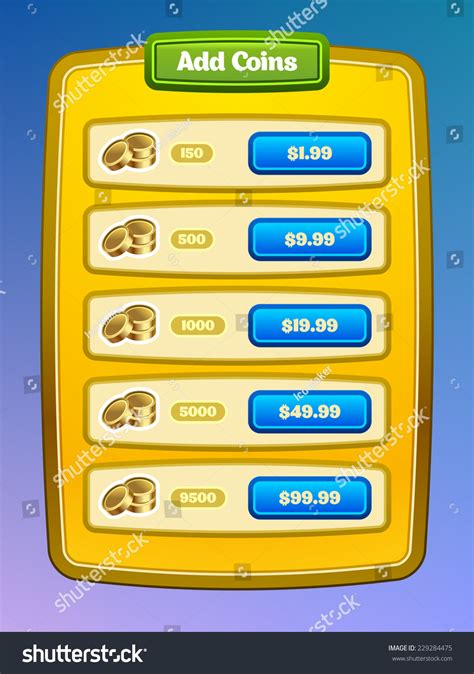
Predatory games often design systems specifically to encourage high-spending players (“whales”). This can include VIP tiers that offer increasing bonuses (exclusive items, faster progression, better gacha rates) as players spend more, or limited-time “bundles” with incredibly high price tags that offer disproportionate value compared to regular purchases, targeting those willing to spend thousands.

6. Sunk Cost Fallacy Exploitation and Endless Grind
The more time and money you invest, the harder it becomes to quit, even if you’re not enjoying it. Games exploit this by making early progression easy and enjoyable, then introducing severe grind walls or paywalls. Daily login bonuses, endless “battle passes,” and events that demand constant engagement play into this, making you feel like you’ll lose all your progress if you stop playing.

How to Protect Yourself and Your Wallet
- Research Before You Play: Look up reviews, especially those focusing on monetization. Check forums and communities for player sentiment regarding predatory practices.
- Set a Budget (and Stick to It): Decide beforehand how much, if anything, you’re willing to spend.
- Recognize Psychological Triggers: Be aware of FOMO, urgency, and the sunk cost fallacy. Ask yourself if you truly want an item or if the game is making you feel like you need it.
- Prioritize Fun Over Progression: If the game stops being fun without spending, it’s time to re-evaluate. A truly good F2P game is enjoyable regardless of spending.
- Be Skeptical of “Deals”: Many “limited-time amazing deals” are simply repackaged regular prices or offer negligible value.
Conclusion
While F2P and gacha games can offer engaging experiences, it’s vital to approach them with a critical eye. By understanding the common predatory monetization tactics, you can make informed decisions, protect your finances, and ensure your gaming remains a source of entertainment, not financial stress. Stay vigilant, stay informed, and most importantly, play smart.