



How do you make complex game mechanics simple and engaging for beginner guides?
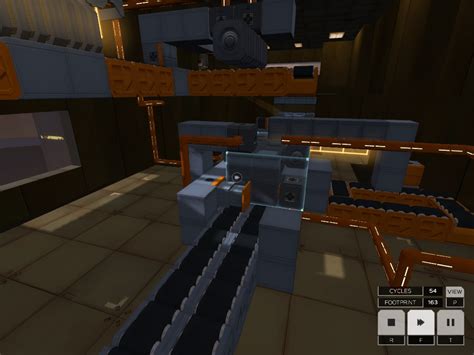
Navigating the intricate worlds of modern video games can be an exhilarating experience, but for new players, complex mechanics often present a formidable barrier to entry. A well-crafted beginner guide doesn’t just explain “what” to do, but “how” and “why” in a way that feels intuitive and engaging. The art lies in distilling complexity into clarity, transforming potential frustration into fluent understanding.
Why Simplicity is the Ultimate Sophistication in Beginner Guides
The goal of any beginner guide is to onboard new players smoothly, fostering a sense of accomplishment rather than overwhelm. When mechanics are presented poorly, players can quickly become disheartened, leading to early game abandonment. Simplifying complex systems isn’t about dumbing down the game; it’s about building a robust foundation upon which advanced understanding can flourish. This approach respects the player’s intelligence while guiding them through the initial learning curve.

Core Strategies for Deconstructing Complexity
1. Break It Down into Micro-Lessons
Think of each complex mechanic as a series of smaller, interlocking concepts. Instead of explaining everything at once, introduce one piece at a time. For instance, if teaching a crafting system, start with gathering basic resources, then combine them, then explain different recipes, and finally, advanced modifiers. Each step should be a self-contained, digestible lesson.
2. Employ Analogies and Real-World Metaphors
Relating an abstract game mechanic to something familiar in the real world can instantly make it more comprehensible. Is a game’s combat system like a rock-paper-scissors dynamic? Does resource management mirror balancing a household budget? These comparisons create mental shortcuts, helping players grasp new ideas by linking them to existing knowledge structures.
3. Visualize with Clear Examples (Even Conceptually)
While you can’t embed actual game screenshots here, a guide *should* strongly advocate for visual aids. Describe how visuals clarify mechanics. For example, “Imagine a flow chart showing the progression of a combo attack,” or “Picture a simple diagram illustrating character stats and their effects.” Clear descriptive language can evoke these mental images for the reader.

Making the Learning Process Engaging and Memorable
1. Provide Context Through Story and Purpose
Don’t just state “this button does X.” Explain *why* it does X within the game’s world or narrative. What problem does this mechanic solve for the player? Understanding the purpose makes a mechanic feel less arbitrary and more integrated into the overall experience, enhancing motivation.
2. Use Concrete, In-Game Examples
Abstract explanations often fall flat. Instead, walk players through specific scenarios they might encounter. “To defeat the Slime King, cast Fireball first, then use your Shield Bash to interrupt its roar.” This immediate applicability makes the information more relevant and actionable.
3. Encourage Hands-On Practice and Immediate Feedback
A good guide doesn’t just inform; it empowers. After explaining a mechanic, encourage the player to immediately try it in a safe environment. Explain what success looks like and how to troubleshoot common issues. This iterative process of learning, doing, and getting feedback solidifies understanding.

Structuring Your Guide for Optimal Learning Flow
1. Logical Progression and Layered Learning
Organize your guide to introduce fundamental concepts first, gradually building up to more advanced or nuanced mechanics. Each section should ideally build upon the previous one, creating a natural learning curve. Use clear headings and subheadings to denote progression.
2. Utilize Formatting for Readability
Break up large blocks of text with bullet points, numbered lists, and bolded keywords. This makes the content scannable and helps readers quickly locate specific information. A visually uncluttered guide is far less intimidating.
3. Anticipate Player Questions and Pitfalls
Based on common beginner struggles, proactively address potential confusions or mistakes. Include “Pro Tips” or “Common Mistakes” sections to guide players away from early frustration.
Conclusion: The Path to Player Mastery
Making complex game mechanics simple and engaging for beginner guides is a blend of thoughtful deconstruction, creative explanation, and strategic presentation. By focusing on clarity, providing context, using relatable examples, and structuring information logically, guide writers can transform daunting challenges into accessible stepping stones. The ultimate reward is not just a player who understands the game, but one who genuinely enjoys the journey of discovery and mastery.