


What are effective screen time limits for gaming that kids will actually follow?

Navigating the world of screen time and gaming for children can feel like a constant battle for many parents. While most understand the importance of setting limits, the challenge often lies in finding rules that kids will not only accept but genuinely follow. Rigid, top-down decrees often lead to resentment, secret gaming, and a breakdown in communication. The key to effective screen time management isn’t just about the ‘how much,’ but the ‘how’—how you establish those limits, how you communicate them, and how you foster your child’s understanding and cooperation.
Why Traditional Screen Time Limits Often Miss the Mark
Many parents initially approach screen time limits with good intentions, imposing a strict hour or two without much discussion. However, this often overlooks several critical factors from a child’s perspective. For starters, games don’t always fit neatly into fixed time slots; a child might be in the middle of a crucial level, a team match, or a creative project when their time suddenly expires. This abrupt interruption can feel unfair and frustrating, leading to outbursts or arguments. Moreover, children may not fully grasp the underlying reasons for the limits, viewing them merely as arbitrary restrictions on their fun, rather than safeguards for their well-being.

Shifting Towards Collaborative Screen Time Management
The most effective screen time limits are often those developed with—rather than for—your children. Involving kids in the discussion fosters a sense of ownership and responsibility. Instead of dictating, try opening a dialogue: “How much gaming do you think is a healthy amount each day/week?” or “What are some good times for you to play, and when should we prioritize other activities?” This collaborative approach helps children understand the rationale behind the rules and makes them more likely to adhere to limits they’ve helped create. It’s about empowering them to make responsible choices within a supportive framework.
Strategies for Gaining Your Child’s Buy-In and Adherence
Explain the “Why” Behind the Limits
Children are more likely to comply when they understand the reasoning. Explain, in age-appropriate terms, why balance is important: how too much screen time can impact sleep, schoolwork, physical activity, and even relationships. Frame it not as punishment, but as a way to ensure they have enough time for everything that helps them grow and thrive.
Develop Flexible Frameworks, Not Just Fixed Timers
Consider alternatives to rigid time limits. Perhaps a “task-based” system where gaming is earned after homework, chores, or reading. Or a “banked time” approach where they have a total number of hours for the week they can manage themselves, within agreed-upon daily caps. This teaches time management and prioritization. You could also differentiate between types of screen time, perhaps allowing more time for educational games or creative coding than for competitive multiplayer sessions.

Consistency and Follow-Through are Paramount
Once limits are established, stick to them. Inconsistent enforcement sends mixed signals and undermines the rules. Be prepared for pushback, but calmly and firmly remind them of the agreed-upon plan. Natural consequences (e.g., losing gaming privileges for a day if rules are broken) can be powerful teachers when applied fairly and consistently.
Offer Appealing Alternatives
Don’t just take away; provide compelling alternatives. Plan family outings, encourage hobbies, set up playdates, or suggest creative projects. Ensure there are plenty of engaging, non-screen activities readily available and encouraged in your home. This helps children see that life outside of gaming is just as, if not more, rewarding.

Practical Tips for Smooth Implementation
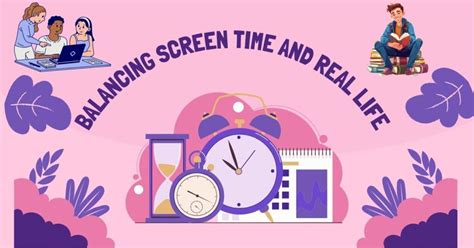
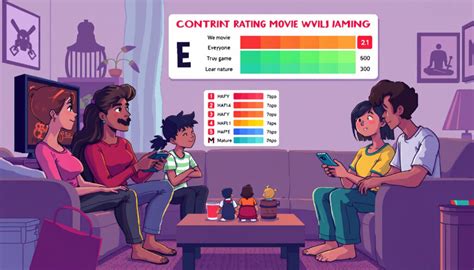
- Use Visual Aids: A family media plan chart or a shared calendar can visually track screen time allowances and completed tasks.
- Designate Screen-Free Zones/Times: Meals, bedrooms (after a certain hour), and family time can be designated as no-screen zones.
- Leverage Technology Wisely: Many devices and platforms offer parental controls that can help enforce limits automatically. Use them as a tool, not a substitute for communication.
- Be a Role Model: Kids are always watching. Demonstrate healthy screen habits yourself. Put your phone away during family meals, read a book, or engage in hobbies that don’t involve a screen.

Conclusion: Fostering a Healthy Digital Balance
Effective screen time limits for gaming aren’t about eliminating digital entertainment; they’re about fostering a healthy, balanced lifestyle. By engaging your children in the process, explaining your reasoning, offering flexible frameworks, and consistently enforcing rules with empathy, you can move beyond power struggles. The goal is to equip your kids with the self-regulation skills and understanding they need to navigate their digital world responsibly, ensuring gaming remains a source of enjoyment without overshadowing other vital aspects of their development.