



Beyond simple rules, what makes a cozy family game truly engaging for all ages?

When we gather around a table for a cozy family game night, we often seek more than just a diversion. We crave connection, shared laughter, and memorable moments. While simple rules are undoubtedly a gateway, they alone don’t guarantee a game will capture the hearts and minds of everyone from a curious five-year-old to a seasoned grandparent. The true magic lies in a subtle blend of design elements that foster deep, intergenerational engagement.
The Sweet Spot: Accessible Rules, Strategic Depth
One of the foundational pillars of an engaging family game is its ability to be both easy to learn and surprisingly deep. A game with simple, intuitive rules allows younger players and casual gamers to grasp the basics quickly, reducing frustration and speeding up play. However, for a game to truly resonate across ages, it must also offer layers of strategic depth that reward thoughtful play and evolving tactics.
This ‘easy to learn, hard to master’ principle means that while a child might enjoy the immediate gratification of a turn, an adult can delve into optimizing moves, planning ahead, and adapting to changing game states. This balance ensures that no player feels left out or bored, as everyone can engage with the game at their preferred level of complexity.
The Power of Theme and Storytelling
Beyond Mechanics: Immersive Worlds
Pure mechanics, no matter how clever, can feel sterile without a compelling theme. A well-crafted theme transforms abstract rules into a relatable narrative, sparking imagination and emotional investment. Whether it’s building a vibrant city, exploring a magical forest, or managing a bustling farm, a strong theme provides context and meaning to every action.

This thematic resonance allows players of all ages to connect with the game on a deeper level. Children can get lost in the imaginative world, while adults appreciate the cohesive storytelling and aesthetic appeal. It turns a collection of components into an adventure, a challenge, or a shared creative endeavor.
Meaningful Interaction: Cooperation, Connection, and Lighthearted Competition
Building Bridges, Not Walls
True engagement in a family game often stems from the quality of interaction it facilitates among players. Games that encourage cooperation, shared decision-making, or even light, positive competition are far more engaging than those that promote isolation or overly aggressive play. Cooperative games, where players work together towards a common goal, are particularly effective at fostering a sense of camaraderie and collective achievement.

Even competitive games can be engaging if the competition is tempered with opportunities for playful banter, negotiation, or moments of shared surprise. The goal isn’t just to win, but to enjoy the journey and the interaction with loved ones. Games that create these ‘watercooler moments’ – instances players will talk about long after the game is over – are treasures.
Emotional Resonance and Shared Memories
More Than Just Play: Creating Lasting Moments
Perhaps the most profound element of an engaging family game is its ability to create emotional resonance. Laughter, surprise, suspense, and the satisfaction of a clever move or a shared victory contribute to a rich emotional tapestry. These aren’t just moments within the game; they are memories being forged among family members.

A game that consistently elicits genuine emotions – whether it’s the thrill of a close finish, the collective groan over a bad dice roll, or the cheer of an unexpected comeback – becomes more than just a pastime; it becomes a ritual, a bonding experience that families look forward to repeating.
Replayability and Evolving Experiences
Finally, an engaging family game offers significant replayability. This isn’t just about playing the same game multiple times, but about the game offering different experiences with each play. This can be achieved through variable setups, modular boards, different character abilities, expansion content, or even simply the dynamic interactions of different player groups.
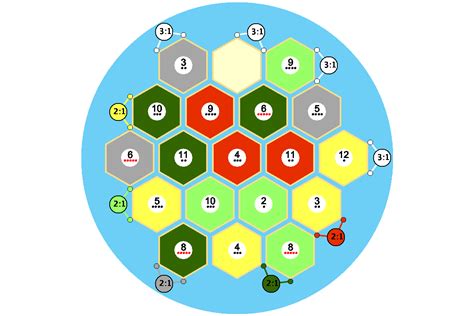
A game that feels fresh and presents new challenges or possibilities each time it’s brought to the table is far more likely to remain a family favorite than one that quickly becomes predictable. It ensures that the investment in learning the rules continues to pay dividends in varied and enjoyable experiences.
Conclusion: The Art of Crafting Lasting Family Fun
Beyond simple rules, a truly engaging cozy family game is a masterclass in thoughtful design. It expertly balances accessibility with depth, wraps mechanics in a captivating theme, fosters meaningful interaction, cultivates emotional resonance, and ensures lasting replayability. When these elements come together, they don’t just create a game; they create a catalyst for connection, joy, and cherished family memories that transcend the tabletop.