




How to set healthy screen time limits for kids’ gaming without meltdowns?

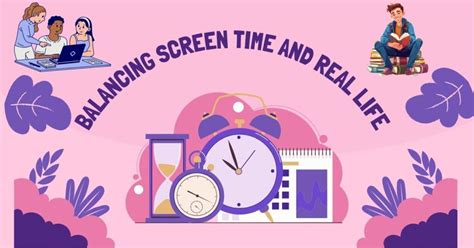
In today’s digital age, video games are an undeniable part of many children’s lives. While gaming can offer entertainment, social connection, and even educational benefits, finding a healthy balance between screen time and other activities remains a significant challenge for parents. The fear of triggering a meltdown often deters parents from enforcing necessary limits, but it doesn’t have to be a battle. By employing thoughtful strategies and consistent approaches, you can set boundaries that stick, fostering a balanced digital life for your children.

The Challenge: Why Screen Time Limits Are Crucial
It’s not about banning games entirely, but about managing their role in a child’s day. Excessive screen time, especially gaming, has been linked to various issues, including sleep disturbances, decreased physical activity, impaired social skills, and academic struggles. For developing minds, unstructured play, outdoor activities, reading, and face-to-face interactions are vital for holistic growth.
Understanding the ‘why’ behind screen time limits can empower you to approach the conversation with conviction. It’s about protecting your child’s physical health, mental well-being, and ensuring they have ample time for other enriching experiences that contribute to their overall development.
Strategies for Setting Limits Without Tears
1. Involve Them in the Conversation
Children are more likely to accept rules they’ve had a hand in creating. Sit down with your child when they are calm and discuss the importance of balance. Explain your concerns in an age-appropriate way, focusing on health, family time, and other interests. Ask for their input on what fair limits might look like.
This collaborative approach helps them feel heard and respected, shifting the dynamic from an authoritative decree to a shared agreement. Once rules are established, write them down and post them visibly as a family contract.
2. Create a Clear, Consistent Schedule
Predictability reduces anxiety and resistance. Establish specific times for gaming, perhaps after homework is done or on weekends. Define not just the duration (e.g., 60 minutes), but also when it starts and ends. Using a visual timer can be incredibly helpful for younger children.
Stick to the schedule consistently. If a limit is 60 minutes, it’s 60 minutes, not 65 or 70. Consistency reinforces the boundary and helps children internalize the rules, reducing arguments over time. Consider a ‘first-then’ approach: ‘First, finish your chores, then you can play for 30 minutes.’

3. Leverage Parental Control Tools
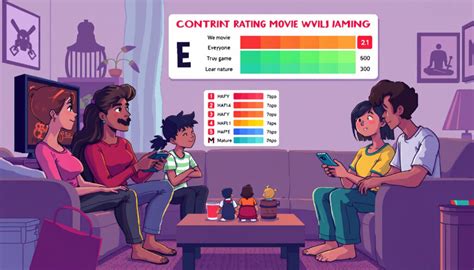
Many gaming consoles, devices, and operating systems offer robust parental control features. These tools can automatically enforce time limits, block certain content, and even schedule downtime. Utilizing them removes the parent from being the ‘bad cop’ who manually shuts off the game.
Explore apps or features like Apple’s Screen Time, Google Family Link, Xbox Family Settings, or PlayStation Family Management. These can be lifesavers, providing a neutral enforcer for the agreed-upon rules.
4. Offer Engaging Alternatives
When gaming time ends, ensure there are appealing alternatives. Children often resist limits when they feel bored or have nothing else to do. Encourage hobbies, outdoor play, reading, creative activities, or board games. Engage with them in these alternatives, making family time enjoyable and interactive.
Suggesting a specific alternative at the time of transition (‘Your gaming time is up, how about we go outside and kick the ball?’) can be more effective than a vague ‘Go find something else to do.’ This helps them shift focus gracefully.

5. Be Consistent and Firm (But Kind)
This is perhaps the most challenging, yet crucial, step. Meltdowns are often an attempt to test boundaries. Remain calm, firm, and consistent. Empathize with their frustration (‘I know it’s hard to stop when you’re having fun’), but don’t back down on the established rules.
Avoid lengthy lectures or negotiations during a meltdown. Briefly reiterate the rule and the consequence (e.g., ‘Screen time is over for today. If you choose to argue, there will be no gaming tomorrow’). Follow through on consequences calmly and consistently.
Navigating the End-of-Session Meltdown
Even with the best strategies, meltdowns can happen. Here’s how to manage them:
- Give Warnings: Provide 10 and 5-minute warnings before the session ends. A visual timer that kids can see countdown is excellent.
- Acknowledge Feelings: Validate their emotions without giving in. ‘I see you’re really disappointed. It’s tough to stop playing.’
- Stay Calm: Your calm demeanor can help de-escalate the situation. If you react with anger, it often fuels their upset.
- Connect and Redirect: After the initial upset, try to connect with them and suggest the alternative activity you planned. Focus on what’s next, not on the battle that just ended.

Review and Adapt as They Grow
Screen time limits aren’t a ‘set it and forget it’ solution. As children mature, their needs, interests, and ability to self-regulate change. What works for a 7-year-old might not work for a 13-year-old. Regularly revisit your family’s screen time rules, perhaps quarterly or annually, and adjust them as needed with your child’s input. The ultimate goal is to teach them responsible digital habits so they can manage their own screen time effectively as they get older.
Conclusion: Fostering a Balanced Digital Life
Setting healthy screen time limits for gaming without meltdowns is an ongoing journey that requires patience, consistency, and a whole lot of love. By involving your children in the process, establishing clear boundaries, utilizing available tools, and providing appealing alternatives, you can empower them to enjoy gaming responsibly while also thriving in other aspects of their lives. Remember, you’re not denying them fun; you’re teaching them balance and self-control, valuable skills that will serve them well into adulthood.