




How to structure beginner game guides for fast learning, not overwhelm?

Guiding new players through the intricacies of a complex game is a delicate art. The goal isn’t just to convey information, but to do so in a way that promotes quick understanding and builds confidence, rather than leading to frustration and disengagement. A well-structured beginner guide is a player’s first crucial step into a new world, acting as a friendly mentor rather than an intimidating encyclopedia. Here’s how to craft guides that facilitate fast learning without overwhelming your audience.
Start with the Absolute Essentials
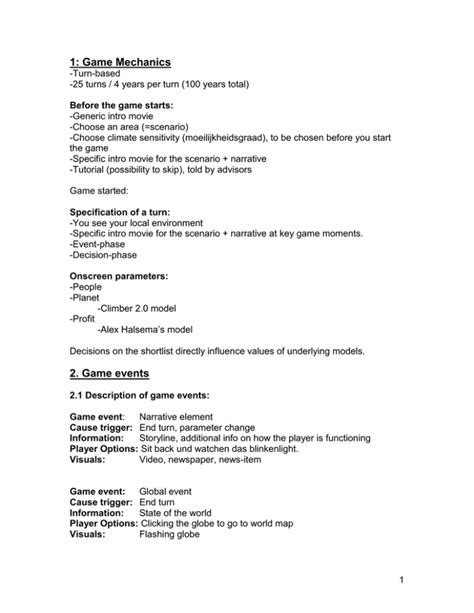
When introducing a game, begin with the core gameplay loop: movement, basic interaction, and the primary objective. What does a player absolutely need to know to take their first meaningful action and progress? Avoid deep lore, advanced mechanics, or optional content at this stage. Prioritize the foundational knowledge that unlocks immediate playability.
Chunk Information into Digestible Segments
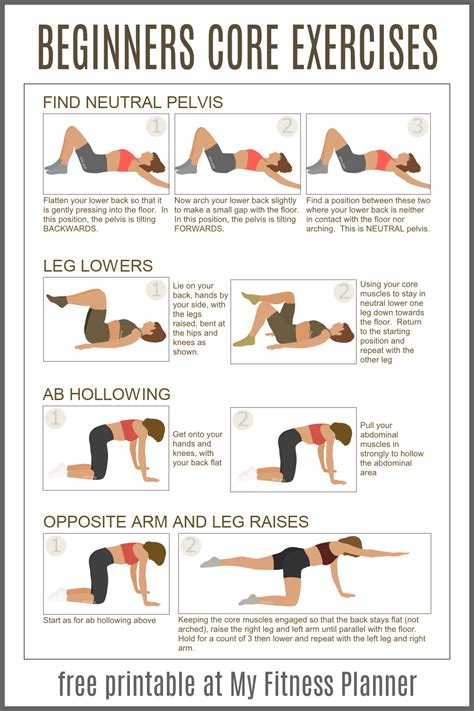
Long walls of text are intimidating and lead to information overload. Break down concepts into smaller, related sections. Utilize clear headings, bullet points, and short, concise paragraphs. Each segment should ideally tackle one specific idea or mechanic, making the guide easier to scan, process, and absorb without feeling like a daunting task.
Prioritize Practicality Over Comprehensive Detail
Beginners don’t need to know every single nuance or edge case immediately. Focus on the 20% of information that will give them 80% of their initial progress and enjoyment. Advanced strategies, niche builds, or deep statistical analyses can be introduced much later, perhaps through links to more advanced guides, once the player has a solid grasp of the fundamentals.
Emphasize Clear Language and Visual Aids
Avoid game-specific jargon where possible, or explain it immediately and clearly. Use simple, direct language that is easy for anyone to understand. Crucially, integrate visual aids: screenshots, diagrams, and short animated GIFs or video clips (if the medium allows) can illustrate complex concepts far more effectively than text alone. Show, don’t just tell, especially for interface elements or specific in-game actions.

Provide Context and Explain the “Why”
Don’t just list controls or mechanics; explain why they matter within the game world. “Press ‘E’ to interact” is less helpful than “Press ‘E’ to interact with objects and NPCs, which is crucial for completing quests and progressing the story, allowing you to earn valuable rewards.” Understanding the purpose behind an action makes the information stick and motivates the player.
Encourage Hands-On Practice and Experimentation
A guide should not be a passive lecture. Suggest specific in-game actions for players to try out new mechanics immediately after learning them. This active reinforcement through muscle memory and experimentation solidifies understanding and builds practical skills far more effectively than merely reading. Integrate practical exercises or mini-challenges.
Structure for Progressive Difficulty
Design your guide to follow a logical learning path that mirrors how a player would naturally encounter challenges and new systems in the game. Start with truly simple, isolated tasks, and gradually introduce more complex or interdependent systems as the player demonstrates mastery of the basics. This creates a natural progression that feels empowering.

Include a “What’s Next” or Troubleshooting Section
Once the absolute basics are covered, gently point players towards resources for deeper learning, advanced topics, or community engagement. A small Frequently Asked Questions (FAQ) or troubleshooting section can address common early-game hurdles, preventing frustration and encouraging players to continue their journey.

Conclusion
Crafting a truly effective beginner game guide is about empathy for the new player experience. By breaking down complexity into manageable chunks, relentlessly prioritizing the absolute essentials, and providing clear, actionable steps supported by context and visuals, you can transform the daunting initial learning curve into an enjoyable and rewarding journey. This approach not only prevents overwhelm but sets players up for long-term engagement and success in their new virtual world.