




What are practical tips for preventing excessive gaming and promoting balanced screen time?

In today’s digital landscape, screens are an undeniable part of children’s lives. While they offer educational and entertainment benefits, managing screen time, especially gaming, has become a significant concern for many parents. The key is not necessarily elimination, but rather balance and moderation. Here are practical strategies to help your children develop healthy digital habits and prevent excessive gaming.
Setting Clear Boundaries and Expectations
One of the most effective first steps is to establish clear, consistent rules around screen time. Involve your children in this process to foster a sense of ownership and understanding. Define what constitutes screen time (e.g., gaming, social media, videos) and differentiate it from educational use if applicable.
- Create a Schedule: Designate specific times for screen use. This could be after homework, during weekends, or for a set duration daily. Visual schedules can be helpful for younger children.
- Set Time Limits: Use timers (physical or app-based) to enforce limits. Be consistent; if the timer goes off, screens go off.
- Establish Tech-Free Zones and Times: Implement rules like ‘no screens at the dinner table,’ ‘no phones in bedrooms after a certain hour,’ or ‘tech-free Sundays.’ This encourages face-to-face interaction and better sleep hygiene.
- Define Consequences: Clearly outline what happens when rules are broken. Consequences should be reasonable and consistently applied, such as reduced screen time the next day.

Promoting Alternative Activities
A child’s world shouldn’t revolve solely around screens. Encourage and facilitate a wide range of interests and activities that provide both physical and mental stimulation.
- Encourage Outdoor Play: Make time for parks, sports, bike rides, or simply playing in the backyard. Physical activity is crucial for development and stress relief.
- Foster Hobbies: Introduce them to arts and crafts, musical instruments, building models, or cooking. These activities develop creativity, fine motor skills, and problem-solving abilities.
- Prioritize Reading: Encourage reading for pleasure by visiting the library regularly and creating a comfortable reading nook. Reading expands vocabulary, imagination, and critical thinking.
- Schedule Family Time: Plan regular family game nights, movie nights, or outings. These create opportunities for bonding and shared experiences away from individual screens.
- Facilitate Social Interaction: Arrange playdates, encourage participation in clubs or group activities, and teach them the value of in-person friendships.

Leading by Example and Open Communication
Children are keen observers. Your own screen habits play a significant role in shaping theirs. Furthermore, open and non-judgmental communication is vital.
- Model Balanced Behavior: Be mindful of your own screen use. Put your phone away during family meals or conversations, and show your children that there’s life beyond a glowing screen.
- Discuss Screen Time: Have ongoing conversations with your children about why rules are in place, the benefits and drawbacks of technology, and the importance of balance. Listen to their perspectives and concerns.
- Play Together: Engage with your children in their gaming world occasionally. Understanding their interests can bridge gaps and provide opportunities for discussion about game content and healthy limits.
- Educate About Online Safety: Teach them about digital citizenship, online predators, cyberbullying, and responsible sharing of personal information.

Utilizing Parental Controls and Monitoring Tools
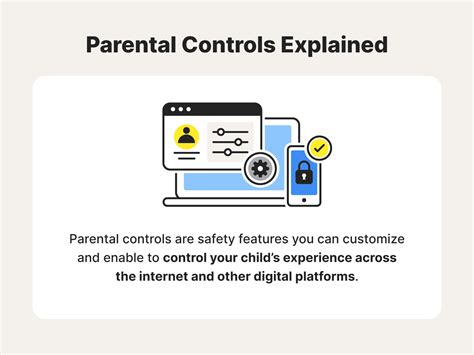
Technology itself can be an ally in managing screen time. Many devices and platforms offer built-in parental controls.
- Device-Specific Controls: Learn how to use the parental control features on smartphones, tablets, gaming consoles, and smart TVs to set time limits, filter content, and manage app purchases.
- Router-Level Controls: Some home Wi-Fi routers allow you to pause internet access for specific devices at certain times.
- Third-Party Apps: Consider using apps designed to monitor and manage screen time across multiple devices. These can provide detailed usage reports and remote control over access.
- Keep Devices in Common Areas: Whenever possible, keep gaming consoles and computers in shared family spaces rather than in bedrooms. This makes monitoring easier and reduces the temptation for late-night use.
Recognizing Warning Signs and When to Seek Help
While some resistance to screen time limits is normal, be aware of signs that indicate a more serious issue with excessive gaming or internet use.
- Behavioral Changes: Look for increased irritability, anxiety, aggression, or withdrawal when not gaming or when limits are imposed.
- Neglecting Responsibilities: A decline in academic performance, disinterest in hobbies they once loved, or neglecting personal hygiene can be red flags.
- Sleep Disturbances: Difficulty falling asleep, waking up tired, or secretive late-night gaming sessions.
- Physical Symptoms: Eye strain, headaches, carpal tunnel syndrome, or poor posture.
- Social Isolation: Prioritizing online interactions over real-world friendships and family time.
If you notice several of these signs and your efforts to manage screen time are unsuccessful, it may be time to consult with a pediatrician, school counselor, or a child psychologist specializing in digital wellness. They can provide tailored advice and support.

Conclusion
Preventing excessive gaming and promoting balanced screen time is an ongoing process that requires patience, consistency, and a proactive approach. By setting clear boundaries, encouraging a diverse range of activities, leading by example, fostering open communication, and utilizing available tools, parents can equip their children with the skills to navigate the digital world responsibly and enjoy a healthy, balanced life.