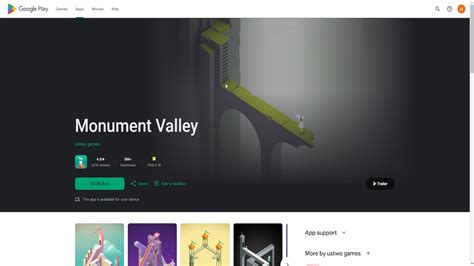





How to find high-quality, non-P2W mobile games among thousands of options?

The Mobile Gaming Minefield: Sifting Through the Noise
The mobile game market is a vast ocean, with millions of titles vying for attention. While this abundance offers endless entertainment possibilities, it also presents a significant challenge: how do you distinguish truly high-quality, fair, and engaging games from the countless ‘pay-to-win’ (P2W) traps and low-effort clones?
Many developers resort to aggressive monetization strategies, turning what could be fun experiences into frustrating money sinks. But fear not, discerning gamers! With a strategic approach, you can navigate this landscape and discover hidden gems that respect your time and wallet.
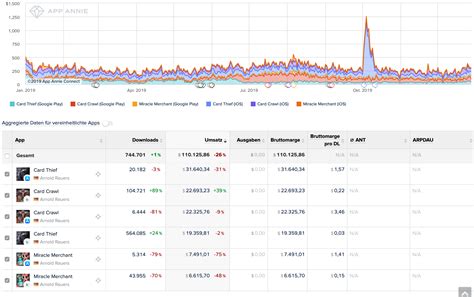
Defining “High-Quality” and “Non-P2W”
Before diving into discovery methods, let’s clarify what we’re searching for. A high-quality mobile game typically boasts engaging gameplay mechanics, thoughtful design, polished graphics (where applicable), stable performance, and often a compelling narrative or satisfying progression system. It respects the player’s time and intelligence.
A non-P2W game, on the other hand, ensures that progress and success are primarily determined by skill, strategy, and effort, not by the amount of real money spent. While it might offer optional cosmetic purchases or convenience items, spending money should never grant a decisive, unfair advantage over non-paying players.
Key Strategies for Smart Game Discovery
1. Research Developers and Publishers
A strong track record is a good indicator. If a developer has consistently released well-received, fair games in the past, their new titles are often worth investigating. Conversely, be wary of publishers known for aggressive P2W tactics or frequent asset flips.
Look for indie studios that prioritize passion over profit, or established companies known for premium mobile experiences. Many traditional PC/console developers are also bringing high-quality ports to mobile without P2W elements.

2. Dive Deep into Reviews and Ratings
Don’t just glance at the star rating. Read recent user reviews, paying close attention to comments about monetization, bugs, and overall player experience. Filter by “most recent” to see if a game’s quality or monetization strategy has changed over time.
Supplement user reviews with those from reputable gaming websites and critics. These often provide a more nuanced perspective on gameplay, design, and long-term appeal, specifically addressing P2W concerns.
3. Understand Monetization Models
This is crucial for identifying non-P2W games. Common models include:
- Premium (Paid) Games: A one-time purchase, often the safest bet for a complete, P2W-free experience.
- Free-to-Play with Cosmetics/Convenience: Acceptable if purchases are purely aesthetic or save minimal grind.
- Subscription Models: Less common but can offer an ad-free, full experience.
- Battle Passes: Can be fair if the free track is generous and paid track offers cosmetics/minor boosts.
Avoid games with energy systems that limit play, loot boxes that offer direct power advantages, timers that halt progress unless sped up with money, or direct upgrades for real cash that make non-spenders obsolete.
4. Leverage Gaming Communities and Recommendations
Subreddits like r/iosgaming or r/androidgaming, dedicated mobile gaming forums, and Discord servers are excellent resources. Players in these communities are often passionate about finding and sharing non-P2W gems. Ask for recommendations based on your preferred genres.
YouTube channels and blogs dedicated to mobile gaming can also highlight overlooked titles and provide honest assessments of monetization practices.
5. Explore Specific Genres and Game Types
Certain genres are inherently less prone to P2W mechanics:
- Single-Player RPGs/Adventures: Often premium or F2P with fair monetization.
- Puzzle Games: Rarely P2W, focus on skill.
- Strategy Games (Paid): Often deep and rewarding without aggressive monetization.
- Ports of PC/Console Games: Many offer a full premium experience.
- Indie Games: Often created with artistic vision and fair play in mind.

Red Flags to Watch Out For
- Aggressive Pop-ups: Constant demands to buy something.
- Limited Energy Systems: Designed to stop you from playing without paying.
- “Buy Now” Buttons for Power: Direct upgrades that create an unfair advantage.
- Fake Reviews: Generic praise or overly positive reviews appearing in a short time frame.
- Early Access/Soft Launch Abuse: Games that stay in “early access” indefinitely while heavily monetizing.
Conclusion: Play Smart, Not Hard
Finding high-quality, non-P2W mobile games requires a bit of detective work, but the payoff is immense: a genuinely enjoyable and rewarding gaming experience. By focusing on reputable developers, scrutinizing reviews, understanding monetization, and engaging with knowledgeable communities, you can filter out the noise and discover mobile masterpieces that respect your time, skill, and wallet. Happy gaming!