




What are essential parental controls for safe online gaming for kids?

In today’s digital age, online gaming is an integral part of many children’s lives. While it offers entertainment, social interaction, and skill development, it also comes with potential risks, including exposure to inappropriate content, online predators, cyberbullying, and excessive screen time. Implementing robust parental controls is not about restricting fun, but about creating a safe and balanced environment for kids to enjoy their virtual adventures. Here are the essential parental controls every parent should consider.
Understanding Game Ratings and Age Appropriateness
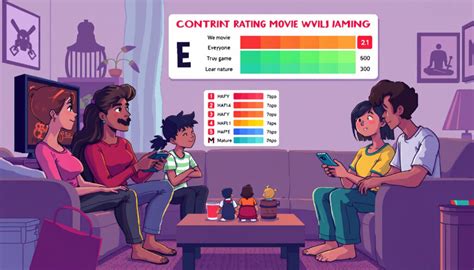
The first line of defense is understanding what games your child is playing. Organizations like the Entertainment Software Rating Board (ESRB) in North America and Pan European Game Information (PEGI) in Europe provide age and content ratings for video games. These ratings are crucial for determining if a game’s content (violence, language, suggestive themes, etc.) is appropriate for your child’s age and maturity level. Always check these ratings before allowing your child to download or play a new game.

Leveraging Platform-Specific Parental Settings
Almost all gaming platforms, from consoles to PCs and mobile devices, offer built-in parental control settings that are incredibly powerful yet often underutilized. Familiarizing yourself with these is fundamental.
Console Controls (PlayStation, Xbox, Nintendo)
Modern gaming consoles offer comprehensive settings that allow parents to:
- Restrict access by game rating: Prevent children from playing games above a certain age rating.
- Manage online interactions: Limit or disable voice/text chat, block friend requests from strangers, and control who your child can play with.
- Set screen time limits: Automatically lock the console after a specified duration or at certain times of the day.
- Control spending: Prevent unauthorized purchases of games, add-ons, or in-game items.
PC and Mobile Device Settings
Operating systems like Windows, macOS, Android, and iOS also provide robust parental control features:
- Content filters: Block access to inappropriate websites or content.
- App usage limits: Restrict time spent on specific apps, including games.
- Purchase restrictions: Require passwords for app downloads and in-app purchases.
- Location tracking: Monitor your child’s device location (use with consent and for safety).
It’s important to set strong, unique passwords for these parental control settings to prevent children from circumventing them.

Managing Communication and Privacy
Online games often involve interaction with other players, which can be a significant concern. Many games feature in-game chat (text or voice) and messaging systems.
- Limit chat functionality: Configure settings to restrict communication to friends only, disable voice chat, or turn off all chat functions for younger children.
- Review privacy settings: Ensure your child’s profile is set to private, preventing strangers from seeing personal information or gaming activity.
- Educate on stranger danger: Teach your child not to share personal information (real name, address, school) with anyone online, even if they seem friendly.

Screen Time and Spending Limits
Balancing gaming with other activities, like homework, outdoor play, and sleep, is vital for a child’s overall development.
Setting Screen Time Boundaries
Use platform-specific controls or third-party apps to:
- Establish daily or weekly play limits: Determine a reasonable amount of time your child can play each day.
- Create schedules: Define specific hours during which gaming is allowed (e.g., after homework, before dinner).
- Implement downtime: Ensure gaming doesn’t interfere with sleep or family time.
Controlling In-Game Purchases
Many online games feature microtransactions, loot boxes, and other in-game purchases that can quickly add up. Use parental controls to:
- Require password for purchases: Set up a password or PIN that must be entered before any purchase can be made.
- Disable in-app purchases: Turn off the ability to make any purchases within games.
- Limit spending: Set a cap on how much can be spent within a given period.

The Importance of Open Communication and Education
Technological controls are powerful, but they work best when combined with open dialogue and education. Regularly talk to your children about:
- Online etiquette: The importance of being respectful and kind to other players.
- Recognizing and reporting cyberbullying: What to do if they encounter mean-spirited behavior.
- Identifying suspicious behavior: What to do if someone asks for personal information or makes them feel uncomfortable.
- Understanding game mechanics: Why certain games might try to encourage excessive play or spending.
Play games with your children occasionally, show interest in what they’re doing, and encourage them to come to you with any concerns.

Conclusion
Creating a safe online gaming environment for children is an ongoing process that requires vigilance, understanding, and adaptability. By leveraging essential parental controls for game ratings, platform settings, communication, screen time, and spending, and crucially, fostering open communication and digital literacy, parents can empower their children to explore the exciting world of online gaming responsibly and safely.