




How do you simplify complex game mechanics effectively for a beginner’s guide?

Creating a beginner’s guide for a game with complex mechanics can feel like an insurmountable challenge. The goal isn’t just to list features but to make intricate systems understandable and approachable for someone completely new. Mastering this art involves a blend of empathy, clear communication, and strategic breakdown.
Understand Your Target Audience
Before you even begin explaining a mechanic, you need to understand who you’re explaining it to. Are they completely new to gaming, or just new to this specific genre? A seasoned RPG player will grasp concepts like “skill trees” faster than someone who’s only played mobile puzzle games. Tailoring your language, examples, and level of detail to your audience’s existing knowledge base is paramount. Avoid jargon where possible, or clearly define it the first time it’s introduced.
Deconstruct the Core Mechanic
The first step in simplifying is understanding the mechanic at its most fundamental level. Break down each complex system into its smallest, independent components. What is its purpose? What inputs does it require? What outputs does it produce? For example, a complex crafting system might be broken down into: gathering resources, combining resources (recipes), and producing an item. Focus on the “what” and “why” before delving into the “how”.

Employ Clear Language and Analogies
Once you understand the core, translate it into language that’s easy to digest. Use short sentences, active voice, and avoid overly technical terms. Analogies are powerful tools; they connect an unfamiliar concept to something the reader already understands. If a game’s “aggro” system is like drawing a monster’s attention, compare it to making noise in a quiet room. If a combat combo is like a simple dance sequence, describe it that way. Always relate new information to familiar concepts.
Leverage Visuals and Practical Examples
Text alone often isn’t enough for complex systems. Screenshots, flowcharts, diagrams, and short video clips (even just static images suggesting a sequence) can illustrate concepts far more effectively than words. Show, don’t just tell. When explaining a combat rotation, provide a visual sequence of button presses. For resource management, show an inventory screen with relevant items highlighted. Concrete, in-game examples ground abstract ideas in reality.
Introduce Complexity Gradually
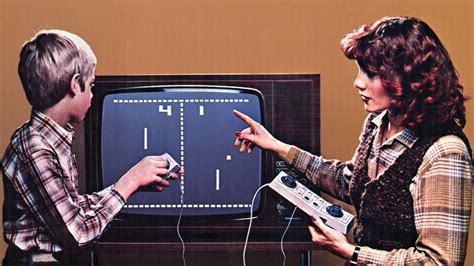
Don’t dump all information at once. Introduce the absolute basics of a mechanic first, ensure the beginner understands it, and then layer on additional nuances. Think of it as building blocks: start with the foundation, then add walls, then the roof. For instance, explain basic movement and attack before introducing special abilities, status effects, or advanced strategic positioning. A “learn as you go” approach prevents information overload.

Encourage Practice and Feedback
A guide isn’t just for reading; it’s for doing. Encourage beginners to try out mechanics immediately after learning them. Suggest specific, low-stakes scenarios where they can practice without fear of failure. Furthermore, invite feedback on your guide. What was confusing? What clicked instantly? This iterative process is crucial for refining your explanations and ensuring they truly resonate with new players.

Test and Refine Your Guide
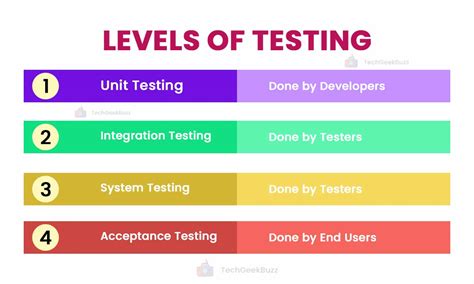
The ultimate test of your guide’s effectiveness is to have actual beginners use it. Watch them play. Do they follow your instructions? Do they get stuck at specific points? Their struggles will highlight areas where your explanations are unclear or insufficient. Be prepared to revise, simplify further, or add more examples. A truly effective beginner’s guide is a living document, constantly improved based on real-world application.
Simplifying complex game mechanics for a beginner’s guide is a demanding yet rewarding endeavor. By focusing on your audience, breaking down systems, using clear language, leveraging visuals, and iterating based on feedback, you can transform daunting game features into engaging, accessible learning experiences. Your efforts will not only help new players enjoy the game but also deepen their appreciation for its design.