




How do I choose the perfect low-stress, engaging family game for all ages?

Creating Unforgettable Family Game Nights
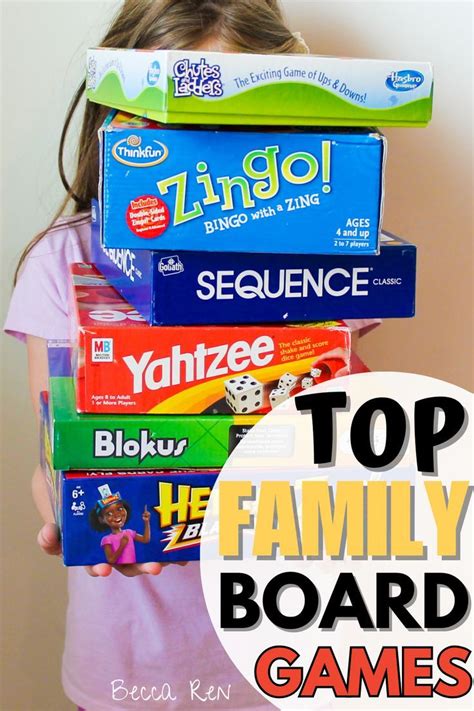
Family game nights are a cherished tradition, offering a wonderful opportunity to connect, laugh, and create lasting memories. However, the quest for the ‘perfect’ game – one that genuinely engages everyone from toddlers to grandparents without sparking arguments or boredom – can often feel like a puzzle in itself. The key lies in finding games that are low-stress, accessible, and genuinely fun for all participants, regardless of age or experience level.
To successfully navigate the vast world of family games, it’s essential to consider a few core principles that prioritize inclusivity and enjoyment over competition or complexity. This guide will help you pinpoint the ideal game that brings smiles and strengthens bonds, rather than causing frustration.
Understanding Your Family’s Unique Dynamics
Before diving into game recommendations, take a moment to assess your family’s specific needs and preferences. What’s the age range of your players? Do you have very young children, competitive teenagers, or adults who prefer lighthearted fun? The ‘perfect’ game for one family might not be for another.
- Age Spectrum: If you have a wide age gap, look for games with simple core mechanics but enough depth to keep older players interested, or those that allow for ‘house rules’ adjustments.
- Attention Spans: Consider how long your family members can typically focus. Shorter, quicker games are often better for young children or families new to game night.
- Tolerance for Competition: Some families thrive on head-to-head challenges, while others prefer cooperative play or games where the focus is on shared experience rather than winning. Low-stress often means minimizing direct competition.

Key Factors for Low-Stress Engagement
To ensure a truly low-stress and engaging experience, focus on games that embody these characteristics:
Simplicity and Approachability
The best family games are easy to learn, typically with rules that can be explained in under ten minutes. Overly complex rulesets can lead to frustration and disengagement, especially for younger players or those new to gaming. Look for games with intuitive gameplay and quick setup times.
Cooperative vs. Competitive Play
For a truly low-stress environment, cooperative games are often a game-changer. In these games, all players work together towards a common goal against the game itself. This eliminates individual competition, reduces potential arguments, and fosters a strong sense of teamwork and shared accomplishment. While competitive games can be fun, cooperative options often lead to a more relaxed and supportive atmosphere.
Short Playtime & Replayability
Games that can be played in 15-45 minutes are ideal for maintaining interest, especially with younger children. Nobody wants to be stuck in a game that drags on too long. Replayability is also crucial – a game that offers new challenges or experiences with each play ensures it won’t gather dust after just one session.
Matching Games to Ages and Stages
For Young Children (Ages 3-6)
Focus on simple mechanics like matching, memory, dexterity, and basic counting. Games that involve physical interaction, bright colors, and charming themes are often big hits. Examples: HABA games like My First Orchard, Animal Upon Animal, or classic memory games.
For School-Aged Kids (Ages 7-12)
This age group can handle slightly more complex rules and light strategy. Look for games that encourage critical thinking, deduction, or creative storytelling, but still maintain a fun, accessible feel. Cooperative games shine here. Examples: Ticket to Ride: First Journey, Sushi Go!, Concept Kids: Animals, or Outfoxed!.
For Teens & Adults
While often capable of handling deeper strategy, for a low-stress family game, stick to games with engaging themes and mechanics that don’t overwhelm. Social deduction, trivia, or more complex cooperative games can be excellent choices. Examples: Codenames Duet (cooperative), Dixit, Telestrations, or Wavelength.

Popular Low-Stress, Engaging Game Categories
Cooperative Games
- Forbidden Island/Desert: Players work together to collect treasures and escape before the island/desert sinks/gets buried. Simple rules, high tension, collaborative fun.
- Pandemic (Junior or Legacy for older kids): A classic cooperative game where players work to cure diseases across the globe. The Junior version is perfect for families.
- Hanabi: A unique cooperative card game where players can see everyone else’s cards but their own, requiring careful communication to create fireworks.
Dexterity Games
- Jenga: A timeless classic that builds tension without direct competition, focusing on skill.
- Rhino Hero: Players build a wobbly skyscraper, placing cards and their superhero onto higher floors. Simple, quick, and very visual.
Storytelling & Creative Games
- Dixit: Players use abstract art cards to tell stories or give clues, fostering creativity and imagination.
- Rory’s Story Cubes: Roll dice with images and create a story together. Incredibly simple and promotes imaginative play.
Simple Card Games
- Uno: A classic for a reason, quick to learn and always engaging.
- Sushi Go!: A fast-paced card-drafting game with adorable artwork, perfect for quick rounds.
Tips for a Successful Family Game Night
- Set the Mood: Dim the lights, put on some background music, and have snacks ready.
- Focus on Fun, Not Winning: Remind everyone that the goal is to enjoy time together, not necessarily to win.
- Rotate Game Choices: Let different family members pick the game each week or take turns suggesting.
- Be Flexible: Don’t be afraid to adjust rules slightly to suit your family, especially if it makes the game more inclusive for younger players.
- Embrace Laughter: Some of the best game night memories come from unexpected silly moments.

Conclusion
Choosing the perfect low-stress, engaging family game for all ages doesn’t have to be a daunting task. By considering your family’s unique dynamics, prioritizing simplicity and cooperative play, and exploring categories known for their accessibility, you can cultivate a collection of games that bring joy, connection, and countless cherished memories. Happy gaming!