

Practical tips for ensuring kids play age-appropriate games & stay safe online?

In today’s digital age, children are exposed to a vast array of online games and platforms. While these can offer educational and entertainment benefits, it’s crucial for parents to ensure their kids engage with content that is age-appropriate and maintain a secure online presence. This guide provides practical tips to help you navigate this important aspect of modern parenting.
Understanding Age-Appropriate Gaming
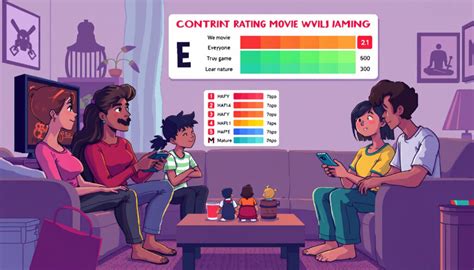
One of the first steps is to familiarize yourself with game rating systems. Organizations like the Entertainment Software Rating Board (ESRB) in North America, PEGI (Pan European Game Information) in Europe, and others provide clear age and content ratings for video games. These ratings offer valuable insights into a game’s content, including violence, language, and mature themes. Always check these ratings before allowing your child to play a new game.
Beyond ratings, take the time to research games. Read reviews from other parents, watch gameplay videos, or even play the game yourself. This firsthand knowledge will give you a deeper understanding of the game’s mechanics, community, and potential issues that ratings alone might not fully convey. Open dialogue with your children about the games they are interested in playing can also reveal their motivations and expectations.

Setting Boundaries and Controls
Most gaming consoles, computers, and mobile devices come equipped with parental control features. These tools allow you to restrict access to certain games or content based on their ratings, manage screen time, block in-game purchases, and limit online interactions. Learn how to set these up on all devices your child uses for gaming and browsing. Regularly review these settings as your child grows and their digital habits evolve.
Consider making gaming a family activity. Playing games together provides an excellent opportunity to monitor content, understand your child’s online interactions, and model good digital behavior. It also opens lines of communication, making it easier for your child to come to you if they encounter something uncomfortable or inappropriate online.
Fostering Online Safety Habits
Open and honest communication is paramount. Talk to your children regularly about the importance of online safety. Explain the risks of sharing personal information, interacting with strangers, and clicking on suspicious links. Encourage them to always come to you if they see anything that makes them feel uncomfortable, scared, or confused online, without fear of punishment.
Teach your children about privacy settings on social media, gaming platforms, and apps. Show them how to make their profiles private and only accept friend requests from people they know in real life. Emphasize that not everyone online is who they claim to be, and that anonymous accounts or strangers should be treated with extreme caution.

Recognizing and Reporting Threats
Educate your children on how to identify potential online threats, such as cyberbullying, phishing attempts, or requests for personal information. Teach them the ‘stop, block, and tell’ rule: stop interacting with the person, block them, and tell a trusted adult. Show them how to use reporting features available on most online platforms to report inappropriate content or behavior.
Strong, unique passwords are another critical layer of defense. Help your children create robust passwords for their accounts and explain why they should never share them, even with friends. Consider using a family password manager to securely store and generate complex passwords.

Continuous Learning and Engagement
The online world evolves rapidly, so it’s essential for parents to stay informed. Keep up-to-date with new games, apps, and online trends that your children might be interested in. Resources from reputable organizations focused on child online safety can provide valuable insights and current information.
Lead by example. Demonstrate responsible digital citizenship by managing your own screen time, being mindful of your online interactions, and protecting your personal information. Children often learn best by observing the behavior of their parents and caregivers.

Balancing Screen Time
While ensuring appropriate content and safety is vital, managing screen time is equally important for a child’s overall well-being. Establish clear rules and limits for gaming and online activities. Encourage a balance between screen time and other activities like outdoor play, reading, homework, and family time. Utilize parental control features to enforce these limits if necessary.
Create a dedicated ‘tech-free’ time or zones in your home, such as during meals or in bedrooms after a certain hour. This helps foster healthy habits and ensures that digital devices don’t interfere with sleep, social development, or academic responsibilities.

Ensuring your children play age-appropriate games and stay safe online requires an active, ongoing effort. By combining parental controls with open communication, education, and leading by example, you can empower your children to navigate the digital landscape responsibly and enjoy its many benefits while minimizing potential risks.