




How to find quality F2P mobile games avoiding aggressive microtransactions?
Navigating the F2P Landscape: Enjoying Mobile Games Without Breaking the Bank
Free-to-play (F2P) mobile games have revolutionized the gaming industry, offering instant access to entertainment without an upfront cost. However, this model often comes with a significant caveat: microtransactions. While some in-game purchases are harmless, many F2P titles employ aggressive monetization tactics that can quickly sour the experience, turning fun into frustration or a costly habit. The good news is that truly free-to-play friendly games exist. This guide will help you identify quality F2P mobile games that respect your time and wallet, steering clear of those designed to constantly drain your funds.
Understanding Aggressive Microtransactions: What to Watch Out For
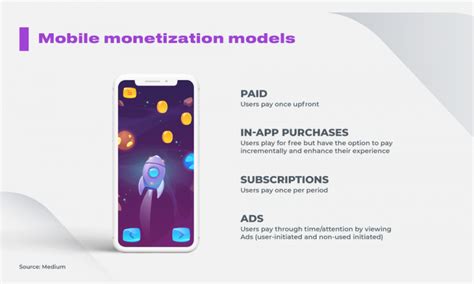
Before you can avoid them, it’s crucial to understand what aggressive microtransactions look like. They often manifest in several ways:
- Pay-to-Win (P2W) Mechanics: This is the most notorious offender. P2W games offer direct advantages to players who spend money, such as exclusive powerful gear, faster progression, or game-breaking abilities. This creates an unfair competitive environment.
- Energy Systems/Timers: Many games limit your playtime by requiring ‘energy’ to perform actions, which regenerates slowly over time or can be instantly refilled with real money. Similarly, build times or upgrade timers can be skipped for a fee.
- Gacha Mechanics: Popularized in Asian markets, gacha involves spending money (or premium in-game currency) on randomized ‘draws’ for characters, items, or resources. This gambling-like system can be highly addictive and expensive.
- Aggressive Pop-ups and Offers: Constant, intrusive ads for in-game purchases, especially during gameplay or immediately after logging in, are a major red flag. ‘Limited-time’ offers designed to create a sense of urgency are also common.
- Forced Advertisements: While not a microtransaction itself, excessive, unskippable video ads that interrupt gameplay are often a sign that the game is primarily monetizing through ad revenue rather than a balanced in-game economy, sometimes even pushing for an ‘ad-free’ purchase.
Key Strategies for Finding F2P-Friendly Mobile Games
1. Read Reviews and Ratings Carefully
The app store rating is a starting point, but delve deeper into user reviews. Look for comments specifically mentioning monetization practices. Pay attention to reviews that detail whether the game is enjoyable without spending, if ads are intrusive, or if progression hits a paywall. A high rating doesn’t always guarantee a fair F2P experience if it’s propped up by players who don’t mind spending.
2. Research Developer Reputation
Some developers have a history of fair F2P practices, while others are known for aggressive monetization. A quick search for the developer’s name plus ‘microtransactions’ or ‘pay to win’ can reveal a lot. Developers like Supercell (Clash Royale, Brawl Stars) and miHoYo (Genshin Impact – despite its gacha, it’s known for generous free-to-play progression) often strike a better balance, providing enjoyable experiences even for non-spenders.
3. Prioritize Cosmetic-Only Monetization
The gold standard for F2P fairness is when microtransactions are purely cosmetic. Skins, emotes, visual effects, and other items that do not affect gameplay balance or progression are ideal. Games like Fortnite (on mobile) or Brawl Stars are excellent examples where spending money is entirely optional and serves only to customize your appearance.
4. Look for Generous In-Game Rewards and Currency
A truly F2P-friendly game will provide ample opportunities to earn premium in-game currency or valuable items simply by playing. Daily quests, login bonuses, event rewards, and achievements should offer meaningful progress without requiring real money. If you feel like you’re constantly starved for resources unless you pay, it’s a warning sign.
5. Consider Offline Play or Minimal Connectivity Requirements
While not directly related to microtransactions, games that offer robust offline play often have less pressure to push online competitive purchases or constant connectivity for ‘live service’ monetization. Many excellent single-player F2P titles exist that offer a complete experience without constant internet connection or pressure to buy.
6. Seek Out Recommendations from Reputable Sources
Gaming websites, dedicated subreddits (like r/AndroidGaming or r/iOSGaming), and YouTube channels often highlight F2P gems that avoid aggressive monetization. Look for ‘best F2P games’ lists that specifically mention fair practices or ‘no P2W’ in their criteria. Communities are often the best resource for honest, unbiased opinions.

Conclusion: Empowering Your Mobile Gaming Choices
The mobile gaming landscape is vast and ever-evolving, but with a discerning eye, you can find countless hours of free entertainment without falling victim to predatory monetization. By understanding the common pitfalls, checking reviews, researching developers, and prioritizing games with fair monetization models, you can empower yourself to make informed choices. Dive into the world of F2P mobile gaming confident that you can enjoy high-quality experiences that respect both your time and your budget.