




How to identify fair F2P Gacha games for free progression?
In the vast universe of mobile gaming, Free-to-Play (F2P) Gacha titles often promise endless entertainment. However, many quickly reveal themselves to be thinly veiled traps, aggressively pushing players towards spending real money to progress. For those who wish to enjoy these games without emptying their wallets, distinguishing between fair and exploitative titles is crucial. This guide will arm you with the knowledge to spot the truly F2P-friendly Gacha games that respect your time and allow for genuine free progression.
Understanding Gacha Mechanics and Rates
The core of any Gacha game lies in its summoning system. A truly fair game will be transparent about its rates and offer mechanisms to mitigate bad luck. Look for clear, accessible information on the probability of pulling rare characters or items. Games that hide these rates or make them difficult to find are often red flags.
- Pity Systems: Does the game guarantee a rare pull after a certain number of failed attempts (a ‘pity’ system)? Both ‘soft pity’ (increased rates before a guaranteed pull) and ‘hard pity’ (a guaranteed pull at a fixed count) are signs of a more player-friendly system.
- Rate Transparency: The exact percentage chance for each item or character should be easily viewable within the game client.

Resource Generation and In-Game Economy
For F2P players, the ability to earn premium currency and essential resources through gameplay is paramount. A fair Gacha game provides ample opportunities to accumulate what’s needed for pulls and progression without resorting to purchases.
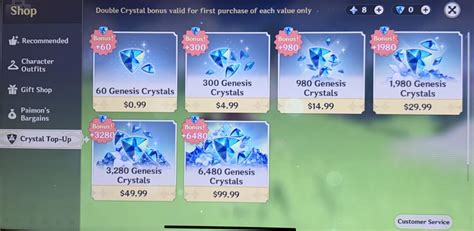
- Free Premium Currency: Can you earn a meaningful amount of the game’s premium currency (gems, crystals, etc.) from daily quests, events, achievements, and story progression? This currency should be enough to perform regular Gacha pulls.
- Energy Systems: Is the energy system balanced? Does it recharge quickly enough, or are there generous ways to earn more energy without spending? Excessive energy demands with slow recovery can halt progression for F2P players.
- Essential Item Availability: Are crucial progression materials (exp items, upgrade materials, specific gear) readily available through gameplay or crafting, rather than being primarily locked behind paywalls?
Progression Paths and Paywalls
A fair Gacha game should allow F2P players to complete all core content and progress at a reasonable pace, even if it takes more time than paying players. Watch out for:
- Hard Paywalls: If essential game modes, story chapters, or character progression features are locked exclusively behind purchases, it’s not F2P-friendly.
- Competitive Balance: While ‘whales’ (heavy spenders) will always have an advantage, a good F2P Gacha ensures that skilled F2P players can still compete in PvP or clear high-level PvE content with well-built free or low-rarity units.
- Grind vs. Unfairness: A lengthy grind is acceptable in F2P games; an impossible or prohibitive grind without spending is not.
Community Sentiment and Developer Communication
The collective experience of other players is an invaluable resource. Before investing significant time, research what the community says about the game’s F2P viability.
- Player Reviews and Forums: Check Reddit, official forums, and app store reviews. Look for discussions specifically addressing F2P progression, event fairness, and developer responsiveness.
- Developer Engagement: Do the developers communicate openly with their player base? Do they address F2P concerns, balance issues, and take feedback seriously? Transparent and responsive developers often signal a healthier game environment.

Event Accessibility and Rewards
Events are the lifeblood of many Gacha games, offering fresh content and valuable rewards. For a game to be fair to F2P, its events must be designed with them in mind.
- Inclusive Event Design: Can F2P players participate effectively in all types of events, even if they can’t achieve the absolute top ranks? Event requirements should not demand specific high-rarity units only obtainable through heavy spending.
- Meaningful F2P Rewards: Do events offer significant rewards that aid F2P progression, such as premium currency, character copies, rare upgrade materials, or unique items?
- Tiered Rewards: Look for events that offer valuable rewards across multiple tiers, ensuring that even casual F2P players can earn something substantial.

The “Whale” Factor and F2P Viability
Every Gacha game has players who spend heavily (whales). The key is whether their presence makes the game unplayable or unenjoyable for F2P individuals.
- Whales vs. F2P Power Gap: While whales will always be stronger, the gap shouldn’t be so vast that F2P players feel completely irrelevant in all aspects of the game. F2P players should still be able to clear content, albeit perhaps with more strategic effort.
- Diverse Unit Viability: A healthy F2P Gacha game typically ensures that a wide array of units, including lower rarity ones, remain viable for various game modes, rather than constantly pushing new meta units that are hard to obtain.

Identifying truly fair F2P Gacha games requires a discerning eye and careful consideration of their core mechanics and monetization strategies. By scrutinizing gacha rates, resource generation, progression paths, community feedback, and event design, you can empower yourself to make informed choices. Seek out games that prioritize player experience over aggressive monetization, allowing you to enjoy the thrill of collection and progression without constantly feeling pressured to spend. Happy gaming, and may your free pulls be ever in your favor!