
What F2P gacha red flags signal predatory monetization for new players?
Understanding the Lure of F2P Gacha Games
Free-to-Play (F2P) gacha games have exploded in popularity, offering compelling experiences and endless content without an upfront cost. They promise excitement through character collection and strategic team building, often with stunning graphics and engaging storylines. However, beneath the surface of free entertainment lies a complex monetization model primarily driven by ‘gacha’ mechanics – essentially, a lottery system where players spend in-game currency (often bought with real money) for a chance to acquire rare characters, items, or equipment. While not inherently bad, some implementations cross the line into predatory territory, exploiting player psychology and creating an environment where spending becomes almost a necessity rather than a choice. New players, especially those unfamiliar with these models, are particularly vulnerable.
Identifying these red flags early can save you from significant financial investment and potential frustration. It’s crucial to distinguish between fair monetization that supports game development and exploitative practices designed to maximize spending.
1. Abysmally Low Drop Rates & Complex Pity Systems
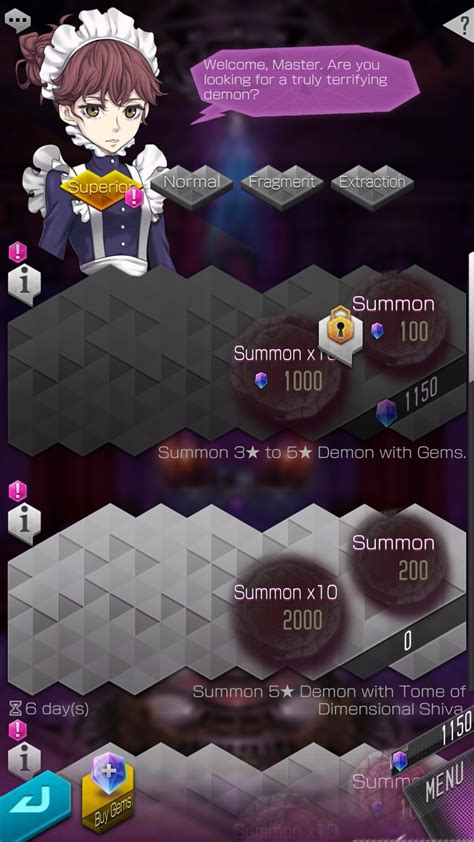
One of the most immediate indicators of predatory practices is the transparency and fairness of the gacha rates. If a game features desirable characters or items with extremely low drop rates (e.g., less than 1% for top-tier rewards) and lacks a clear, accessible ‘pity’ system, proceed with caution. A pity system guarantees a rare item after a certain number of pulls. However, even pity systems can be predatory if they are:
- Excessively High: Requiring hundreds of pulls for a guarantee.
- Non-Transferable: Pity count resets on a new banner, forcing players to pull on the current one or lose progress.
- Split Pity: Separate pity counters for different types of items, making it harder to reach a guarantee.
- Multiple Layers of RNG: You pull a character, but then need to pull multiple copies of that character (duplicates) to make them viable, or pull a separate, equally rare weapon or artifact set.

2. Aggressive Time Gates & Artificial Scarcity
Predatory gacha games often employ mechanisms to limit your free playtime and create artificial scarcity, pushing you towards spending. Look out for:
- Severe Energy/Stamina Systems: An energy system that depletes quickly and refills very slowly, effectively putting a hard cap on how much you can play without buying refills with premium currency.
- Constant Limited-Time Banners & Events: An incessant rotation of “limited-time only” characters, weapons, or events that create immense Fear Of Missing Out (FOMO). This pressure encourages impulse spending before the item is gone forever (or for a very long time).
- Paywalling Progress: Reaching a point in the game where further progression (e.g., clearing harder content, competing in PvP) feels impossible without acquiring specific rare gacha units or heavily investing in existing ones. This subtly pushes players to spend to overcome artificial difficulty spikes.
3. Psychological Manipulation Tactics
Many predatory games are masters of psychology, using clever design choices to encourage spending:
- Aggressive Pop-ups & Bundles: Immediately after logging in, completing a difficult stage, or even after a spending spree, you’re bombarded with pop-ups offering “limited-time only” deals or “best value” bundles. These are often designed to make you feel like you’re getting a steal, even when you’re spending real money.
- Confusing Currency Systems: Games with multiple layers of premium currency (e.g., gems, crystals, special tickets) make it difficult to track your actual spending and the real-world value of your purchases. Fractional currency values also make it hard to buy exactly what you need, often leaving you with a small, unusable balance that encourages another purchase.
- Sunk Cost Fallacy Exploitation: As you invest more time and money into a game, you’re more likely to keep spending to protect that investment, even if the game becomes less enjoyable. Predatory games leverage this by making early progression feel easy and rewarding, only to gate later content behind significant paywalls.
- “Whale Bait” Mechanics: Leaderboards, exclusive cosmetic items for top spenders, or direct PvP advantages tied to high investment create a competitive environment that encourages “whales” (high spenders) to continually outspend each other.

4. Lack of Transparency and Player Protections
A reputable F2P gacha game will be transparent about its mechanics and offer reasonable player protections. Red flags here include:
- Obscure or Missing Drop Rate Disclosures: In some regions, disclosing gacha rates is legally mandated, but games might hide them deep within menus or use confusing language. If rates are completely absent or impossible to find, that’s a major warning sign.
- Poor Customer Service Regarding Spending Issues: If customer support is unhelpful, slow, or dismissive when players raise concerns about accidental purchases, unfair mechanics, or problematic spending habits, it suggests a lack of care for the player base.
- Difficulty in Setting Spending Limits or Self-Exclusion: Games that make it hard for players to set daily/monthly spending limits or initiate a self-exclusion period for gacha purchases are not prioritizing player well-being.
5. Power Creep & Mandatory New Units
While power creep is a natural evolution in many live service games, it becomes predatory when new units are constantly released that render previous, highly invested units obsolete almost immediately. This forces players to continuously spend on the newest, strongest characters just to keep up with content or stay competitive. If a new player constantly feels like they can’t clear content or participate meaningfully without pulling the latest limited character, it’s a sign that the game is designed to force spending rather than reward strategic play with existing units.

Protecting Yourself: What New Players Can Do
The F2P gacha landscape can be a minefield for the uninitiated. Before diving deep into any new game, take some time to research its monetization model. Consult community forums, watch gameplay videos, and read reviews that specifically discuss the gacha system and player experience. Pay attention to how the community talks about its “generosity” or “stinginess.”
Most importantly, set personal spending limits and stick to them. Remember that “free” refers only to the initial download, not necessarily the cost of a fulfilling experience. If a game constantly makes you feel pressured, frustrated, or compelled to spend just to enjoy basic content, it’s likely exhibiting predatory red flags. Don’t be afraid to walk away; there are countless other games that offer fair and enjoyable experiences without resorting to manipulative tactics.