




How to choose age-appropriate games & understand content ratings for kids?
In today’s digital age, video games are a pervasive form of entertainment, and for many children, they are a significant part of their daily lives. While games offer numerous benefits, from enhancing problem-solving skills to fostering creativity, ensuring that children play age-appropriate titles is paramount for their safety, development, and overall well-being. This guide will walk parents through the essential steps of choosing suitable games and demystifying the content rating systems.
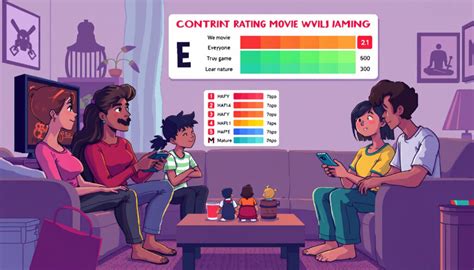
Understanding Content Rating Systems
The first and most crucial tool for parents is the content rating system. These systems are designed to provide clear, concise information about a game’s content and its recommended age group. While different regions have their own systems, they generally serve the same purpose.
ESRB (Entertainment Software Rating Board) – North America
The ESRB system, prevalent in the U.S. and Canada, provides two main types of information:
- Rating Categories: These suggest the appropriate age group for players. Common categories include:
- EC (Early Childhood): Ages 3 and up. Contains no objectionable material.
- E (Everyone): Ages 6 and up. May contain minimal cartoon, fantasy or mild violence.
- E10+ (Everyone 10+): Ages 10 and up. May contain more cartoon, fantasy or mild violence, mild language, or minimal suggestive themes.
- T (Teen): Ages 13 and up. May contain violence, crude humor, minimal blood, suggestive themes, or strong language.
- M (Mature): Ages 17 and up. May contain intense violence, blood and gore, sexual content, or strong language.
- AO (Adults Only): Ages 18 and up. May include prolonged scenes of intense violence, graphic sexual content, or gambling with real currency.
- Content Descriptors: These explain why a game received a particular rating. Examples include “Fantasy Violence,” “Mild Language,” “Sexual Themes,” “Blood,” “Use of Alcohol,” etc. Always read these descriptors as they provide specific details about the game’s content.

PEGI (Pan European Game Information) – Europe
PEGI ratings are widely used across Europe. They primarily use age labels (3, 7, 12, 16, 18) and content descriptors (Violence, Bad Language, Fear, Gambling, Sexual Content, Drugs, Discrimination, In-Game Purchases).
IARC (International Age Rating Coalition)
IARC is a global rating system used for digitally distributed games (e.g., on app stores). It streamlines the rating process for developers and displays local ratings like ESRB, PEGI, GRAC, CLASSIND, or USK to consumers based on their region.
Beyond Ratings: Factors to Consider
While ratings are an excellent starting point, they don’t tell the whole story. Every child is unique, and what’s appropriate for one 10-year-old might not be for another. Consider these additional factors:
- Child’s Maturity and Personality: Some children are more sensitive to certain themes (e.g., scary imagery, intense competition) than others. Evaluate your child’s individual temperament and emotional resilience.
- Game Mechanics and Complexity: Is the game’s gameplay suitable for your child’s cognitive abilities? Does it require complex strategies, quick reflexes, or extensive reading?
- Educational Value or Developmental Benefits: Many games offer opportunities for learning, problem-solving, creativity, or social interaction. Look for games that align with these positive outcomes.
- Multiplayer Interaction and Online Safety: If a game has online multiplayer features, research how children can interact with others. Are there robust parental controls, chat filters, and reporting mechanisms? Discuss online safety rules with your child.
- Time Commitment: How much time does the game typically require? Does it encourage excessive play sessions, or can it be enjoyed in shorter bursts?

Practical Tips for Parents
Being an informed parent means taking an active role in your child’s gaming life.
- Research Games Thoroughly: Don’t just rely on the rating. Watch gameplay videos on platforms like YouTube, read reviews from reputable gaming sites and parent blogs, and check game descriptions on digital storefronts.
- Play Together or Observe: The best way to understand a game is to experience it yourself. Play alongside your child or sit with them while they play. This not only gives you insight but also creates bonding opportunities.
- Set House Rules and Boundaries: Establish clear rules around gaming time, appropriate content, and online interactions. Use parental control features available on consoles, PCs, and mobile devices to enforce these rules.
- Talk to Your Kids: Have open and honest conversations about the games they want to play and why. Discuss what they like about certain games and address any concerns you might have. Encourage them to come to you if they encounter anything uncomfortable online.
Popular Game Genres and Age Considerations
Different genres inherently lean towards different age groups, though exceptions exist.
- Puzzle Games: Often great for all ages, promoting logic and problem-solving (e.g., Tetris, Candy Crush, Portal – check specific ratings).
- Platformers: Generally suitable for younger kids, focusing on simple movement and timing (e.g., Super Mario Bros., Kirby).
- Adventure Games: Can vary widely. Look for non-violent, narrative-driven titles for younger players; more complex ones for teens (e.g., Legend of Zelda, Minecraft Story Mode).
- Simulation Games: Often open-ended and creative, good for many ages (e.g., Minecraft, Animal Crossing, The Sims – specific content matters).
- Sports Games: Typically rated E or E10+, focused on competition and strategy (e.g., FIFA, NBA 2K).
- Role-Playing Games (RPGs): Can be very engaging but often involve extensive reading, complex narratives, and combat. Many are T or M rated.
- First-Person Shooters (FPS) & Action-Adventure with Intense Combat: Often M-rated due to violence, blood, and mature themes (e.g., Call of Duty, Grand Theft Auto). Exercise extreme caution for younger players.

Choosing age-appropriate games is an ongoing process that requires vigilance and active participation from parents. By understanding content ratings, considering your child’s unique needs, and engaging in open communication, you can help foster a safe, enjoyable, and enriching gaming experience that supports their growth and development. Remember, the goal is not to prevent gaming, but to guide it wisely.