




How do you ensure a beginner game guide helps new players without overwhelming them?

For many video games, the initial hours are make-or-break. A well-crafted beginner guide can transform potential frustration into lasting engagement, but the line between helpful and overwhelming is perilously thin. New players need a gentle introduction, not an encyclopedia. The goal is to onboard them effectively, empowering them to enjoy the game without feeling swamped by too much information too soon.
Start with the Absolute Basics
When creating a guide, it’s crucial to adopt a truly beginner’s mindset. Avoid assuming any prior knowledge, even of common gaming conventions. Begin with fundamental controls, basic movement, and the core objective of the game. Gradually introduce concepts, building knowledge layer by layer. Think of it as teaching someone to ride a bike: you start with balancing, then pedaling, then steering, not all at once.

Prioritize Information and Pacing
Not all information is equally important in the first hour. Focus on what players must know to progress and have fun immediately. Distinguish between critical mechanics and optional lore or advanced strategies. Present information in bite-sized chunks, allowing players to absorb one concept before moving to the next. A good guide doesn’t reveal everything at once; it drip-feeds knowledge as it becomes relevant to the player’s immediate experience.
Consider scenarios where a player might encounter a new mechanic for the first time. The guide should anticipate these moments and provide just enough context to overcome the challenge without spoiling future discoveries or overwhelming them with details they don’t need yet.
Use Clear, Concise Language
Jargon is a new player’s enemy. Translate game-specific terms into plain English wherever possible, or introduce them clearly and define them immediately. Use short sentences and simple structures. Avoid overly technical explanations or complex numerical data unless absolutely essential. The guide should sound like a helpful friend, not a dense manual.
Leverage Visuals and Interactive Elements
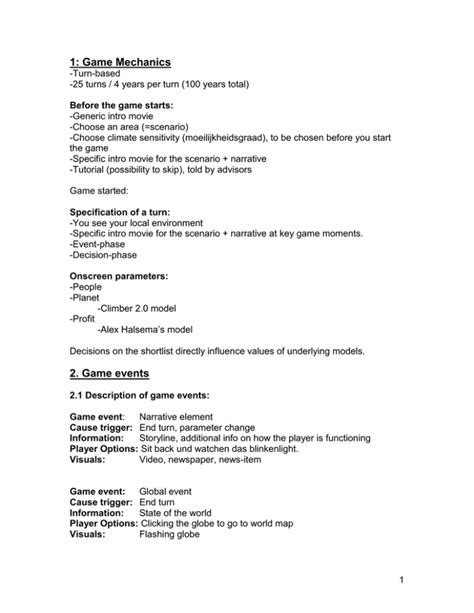
Show, don’t just tell. Screenshots, short video clips, diagrams, or even animated GIFs can convey information far more effectively than paragraphs of text. Highlight important UI elements or demonstrate complex actions visually. If the platform allows, integrate interactive elements like clickable tooltips or practice scenarios directly within the guide to reinforce learning through doing.
Structure for Easy Navigation
Even with prioritized information, guides can become lengthy. Organize content with clear headings, subheadings, bullet points, and numbered lists. Implement a table of contents or quick navigation links so players can easily jump to specific topics they need help with at a given moment. Breaking down the guide into manageable modules or chapters reduces cognitive load.

Offer Practice and Reinforcement
Learning sticks best when applied. Encourage players to immediately practice what they’ve learned. This could involve suggesting a small quest, a specific area to explore, or a training dummy to interact with. Reinforce key concepts through repetition in different contexts, but avoid making it feel like a chore. The guide should facilitate a hands-on learning experience.

Provide a “Next Steps” Path
Once the core beginner content is covered, offer a clear path forward. This could be a recommendation for the next main quest, suggestions for optional activities, or pointers to more advanced resources (like community forums or specific game wikis) for players who want to dive deeper. Knowing where to go next helps prevent players from feeling lost even after completing the initial guide.
Conclusion
Crafting an effective beginner game guide is an art of careful curation and empathetic design. By starting simple, prioritizing crucial information, using clear language, employing visuals, structuring for navigation, and encouraging practice, developers and guide creators can ensure new players feel empowered rather than overwhelmed. The ultimate goal is to foster a positive first impression, setting the stage for a long and enjoyable journey within the game world.