




How can we find genuinely cozy co-op games that satisfy all family members’ skill levels?
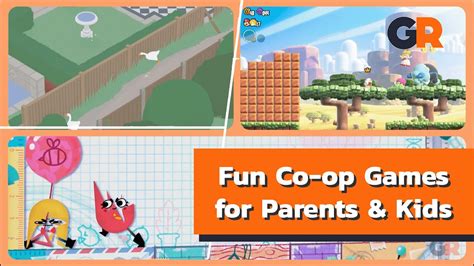
Navigating the World of Family-Friendly Co-op Gaming
Finding that perfect cooperative video game that clicks with every family member, from the seasoned gamer to the enthusiastic novice, can often feel like an impossible quest. The goal isn’t just to play together, but to genuinely enjoy the experience without frustration, making lasting memories and fostering teamwork. The good news is that the ‘cozy co-op’ genre is booming, offering a plethora of options designed with accessibility and shared fun in mind. But how do you sift through them to find the true gems that cater to a wide range of skill levels?
Understanding the ‘Cozy Co-op’ Appeal
Cozy co-op games prioritize collaboration over competition, often featuring charming aesthetics, low-stakes gameplay, and a focus on positive interaction. They minimize stress, combat, and complex mechanics, instead emphasizing puzzle-solving, resource management, or creative building that benefits from multiple perspectives. This style of game naturally lends itself to family play, as success isn’t about individual prowess but collective effort, allowing everyone to contribute in their own way.

Key Strategies for Selecting the Perfect Game
To ensure a satisfying experience for all, consider these critical factors when choosing your next family co-op game:
- Adaptable Difficulty and Roles: Look for games that allow players to contribute meaningfully without requiring high-level reflexes or extensive gaming knowledge. Some games feature built-in accessibility options, while others naturally offer roles that cater to different strengths (e.g., one person managing resources, another exploring, a third solving puzzles).
- Emphasis on Communication and Teamwork: The best co-op games naturally encourage discussion and strategy. When everyone feels like their input is valuable, even less experienced players feel more engaged and less overwhelmed.
- Clear Objectives and User Interface: Simple, intuitive controls and clear goals reduce frustration. Family members who game less frequently will appreciate not having to memorize complex button combinations or obscure objectives.
- Low-Stakes Environment: Games without harsh penalties for failure or intense time pressures are ideal. The goal is enjoyment, not high-pressure performance. Think ‘puzzle-solving adventure’ rather than ‘fast-paced action’.
- Watch Gameplay Videos or Demos: Before purchasing, watch some gameplay on platforms like YouTube or Twitch. This provides a realistic preview of the game’s mechanics, pace, and overall feel, helping you gauge its suitability for your family’s diverse skill set.
Top Recommendations for All-Skill-Level Family Fun
While game preferences vary wildly, certain titles consistently shine for their ability to bring families together across different skill levels. Here are a few examples:
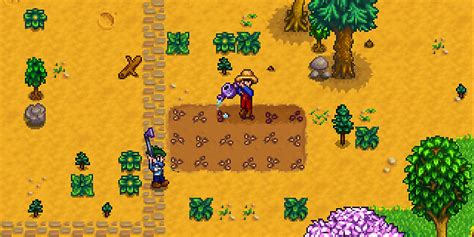
- Stardew Valley (Co-op): This charming farming and life simulation game offers a relaxed pace where players can contribute in various ways—farming, mining, fishing, or building relationships. Each task is straightforward, and there’s no “wrong” way to play, making it incredibly accessible.
- Moving Out: A hilariously chaotic moving simulator where up to four players must coordinate to pack and transport furniture. While it can get frantic, the physics-based fun means mistakes often lead to laughter, and less skilled players can still contribute by simply pushing items.
- Spiritfarer (Co-op): A beautiful management sim about dying and saying goodbye, where the second player controls Stella’s cat, Daffodil. Daffodil can help with various tasks, providing support without the main responsibilities, making it perfect for a parent/child or experienced/novice duo.
- Unrailed!: Players work together to build a train track before the train derails. Resource gathering, crafting, and strategic placement are key. The game’s escalating challenge is balanced by its clear objectives and the satisfying feeling of teamwork.
For younger children or those completely new to gaming, consider titles with very simple controls and a focus on exploration or creative building, such as Minecraft (Peaceful Mode). Here, the emphasis is purely on creativity and collaborative building, with no threats or complex mechanics to master.

Making Family Game Night a Success
Beyond choosing the right game, the atmosphere and approach to gaming are crucial for an enjoyable family experience:
- Set Realistic Expectations: Remind everyone that the goal is fun and teamwork, not perfection.
- Embrace Mistakes: Laughter at blunders often strengthens bonds more than flawless execution.
- Rotate Roles: If a game allows for different roles, encourage everyone to try different responsibilities to keep things fresh and understand different perspectives.
- Take Breaks: Especially for longer gaming sessions or if frustration starts to creep in, a short break can reset everyone’s mood.
- Celebrate Small Wins: Acknowledge and praise contributions, no matter how small, to build confidence and reinforce positive teamwork.
Conclusion: The Joy of Shared Adventures
Finding genuinely cozy co-op games that satisfy all family members’ skill levels is an achievable goal with the right approach. By prioritizing games with adaptable mechanics, a focus on communication, and a low-stress environment, you can unlock a world of shared adventures. These aren’t just games; they’re opportunities for connection, laughter, and creating cherished family memories together. So, gather your loved ones, choose your next journey, and embark on a truly cooperative gaming experience that everyone can enjoy.