




How to best use parental controls for safe, age-appropriate gaming?

In an increasingly digital world, video games are a significant part of many children’s lives. While offering numerous benefits, from problem-solving skills to social interaction, it’s crucial for parents to ensure their children’s gaming experiences are safe, healthy, and age-appropriate. Parental controls are powerful tools in achieving this balance, but knowing how to best use them is key.
Understanding Your Tools: Where Parental Controls Reside
Parental controls aren’t a one-size-fits-all solution; they’re integrated across various platforms. You’ll typically find them in:
- Gaming Consoles: PlayStation, Xbox, Nintendo Switch all have robust family settings.
- PC Operating Systems: Windows and macOS offer family accounts with screen time and app restrictions.
- Mobile Devices: iOS and Android have built-in parental guidance features.
- Specific Games/Launchers: Some games (like Minecraft) or platforms (like Steam) have their own settings.
- Home Network Routers: Some routers offer content filtering and internet access scheduling.
Familiarize yourself with the controls available on every device your child uses for gaming.

Setting Age Ratings and Content Filters
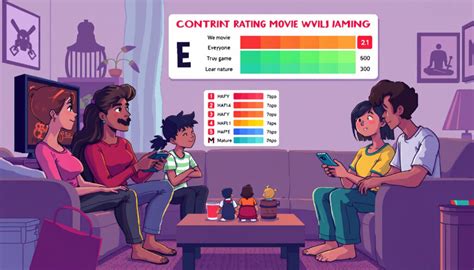
The cornerstone of age-appropriate gaming is utilizing content rating systems. Organizations like ESRB (North America), PEGI (Europe), and IARC provide clear guidelines on game content. Most parental control systems allow you to set a maximum age rating.
Beyond age ratings, many controls let you filter specific types of content, such as violence, strong language, or mature themes. Be precise with these settings, reviewing descriptions of content categories to match them with your family’s values and your child’s maturity level.
Managing Screen Time Effectively
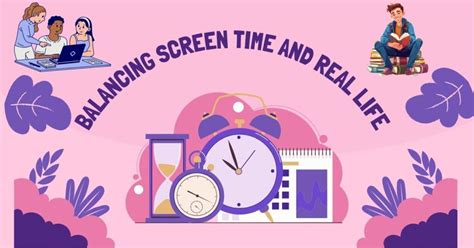
Excessive screen time is a common concern. Parental controls offer various ways to manage how long and when your child can play:
- Daily Limits: Set a maximum number of hours or minutes for gaming per day.
- Time Windows: Specify periods when gaming is allowed (e.g., only after homework, not after bedtime).
- Scheduled Breaks: Some systems allow for mandatory breaks during play sessions.
Use these features to promote a healthy balance between gaming and other activities like school, outdoor play, and family time. Involve your child in setting these limits when appropriate to foster a sense of responsibility.

Controlling In-Game Purchases and Communication
Many games offer in-game purchases (microtransactions, loot boxes) that can lead to unexpected expenses. Similarly, online multiplayer games often include chat features and friend requests that can expose children to inappropriate interactions.
Ensure you:
- Require a Password for Purchases: Set up a password for all purchases, or disable them entirely.
- Monitor or Restrict Communication: Limit who your child can chat with (e.g., ‘friends only,’ ‘no one’) and consider turning off voice chat for younger players.
- Approve Friend Requests: Set controls to require parental approval for new friend requests.
Open Communication is Key
Parental controls are most effective when coupled with open, ongoing conversations with your child. Explain why these controls are in place, focusing on their safety and well-being rather than punishment. Discuss the types of games that are appropriate, the importance of online etiquette, and what to do if they encounter something uncomfortable online.
Encourage them to come to you with questions or concerns. This builds trust and empowers them to make safer choices even when controls aren’t present.

Regular Review and Adjustment
As children grow, their maturity levels and interests evolve. What was appropriate at seven might be too restrictive at ten. Periodically review your parental control settings. Discuss with your child if certain restrictions can be loosened or if new ones are needed. Stay informed about the games they are playing and any new features or online interactions they might involve.
Beyond the Controls: A Holistic Approach
While parental controls are invaluable, they are just one piece of the puzzle. A holistic approach to safe gaming also includes:
- Playing Together: Join your child in their games to understand the content and community firsthand.
- Educating Them: Teach digital citizenship, critical thinking about online content, and privacy best practices.
- Modeling Good Behavior: Demonstrate healthy screen habits yourself.

By effectively utilizing parental controls and fostering an environment of open communication and education, you can empower your children to navigate the exciting world of gaming safely and responsibly, allowing them to reap its many benefits while protecting them from its potential pitfalls.