




Maximize Switch storage for big games: SD card vs. archiving tips?
Conquering the Storage Challenge on Your Nintendo Switch
The Nintendo Switch has revolutionized portable gaming, offering a vast library of incredible titles from sprawling open-world adventures to massive RPGs. However, the joy of these expansive games often comes with a significant challenge: limited storage space. With many AAA titles easily exceeding 10-20GB, the Switch’s internal 32GB (or 64GB on OLED models) can fill up surprisingly fast. This guide will help you navigate the storage maze, comparing the indispensability of an SD card with clever archiving strategies to keep your game library accessible.
The Internal Storage Struggle
Your Switch’s internal memory isn’t just for games; it also houses the operating system, save data, screenshots, and video clips. This precious space quickly diminishes, especially if you prefer digital downloads over physical game cartridges. A single large title like The Legend of Zelda: Tears of the Kingdom can consume almost half of the standard Switch’s usable internal storage, leaving little room for anything else. This makes a robust storage strategy not just convenient, but essential.
The SD Card Solution: An Absolute Must-Have
For any serious Switch gamer, a microSD card is not an option; it’s a necessity. The Switch supports microSDHC and microSDXC cards, with microSDXC offering capacities up to 2TB (though 1TB is currently the largest commercially viable option). Investing in a good quality, high-capacity SD card is the most effective way to expand your console’s storage.
Choosing the Right SD Card
- Capacity: For avid gamers, a 128GB or 256GB card is a good starting point, but 512GB or even 1TB will offer far more peace of mind, especially with upcoming large titles.
- Speed: Look for cards with a high read speed (UHS-I compatible with a speed class of 10 or higher). While write speeds are less critical for game loading, faster read speeds will ensure quicker game launches and smoother performance.
- Brand: Stick to reputable brands like SanDisk, Samsung, or Lexar to ensure reliability and performance.
Installing an SD card is as simple as opening the kickstand on the back of your Switch and sliding the card into the slot. Once inserted, the Switch will automatically recognize it and begin using it for new downloads.
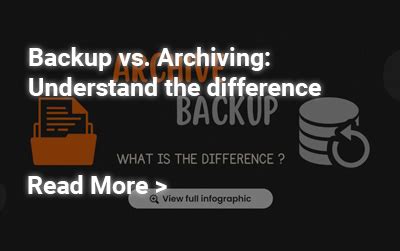
Archiving vs. Deleting Games: Smart Space Management
Even with an SD card, you might occasionally need to free up space. The Switch offers two main options for removing digital games: archiving and deleting.
Archiving Software
Archiving is the recommended method for temporarily removing games you might want to play again. When you archive software, the game’s core data is removed, freeing up significant space, but its icon remains on your Home menu. Crucially, your save data is preserved on the console’s internal memory (or on the cloud if you have a Nintendo Switch Online subscription). You can re-download an archived game at any time from the eShop or directly from its icon on the Home menu, and pick up right where you left off.
Deleting Software
Deleting software removes both the game data and its save data from your console. This is a more permanent solution and should only be used if you are absolutely certain you will never play the game again, or if you have backed up your save data to the cloud. Always choose archiving over deleting unless you have a specific reason not to.
![How To Delete Games On Nintendo Switch [The right way!] - Alvaro Trigo ...](/images/aHR0cHM6Ly90czMubW0uYmluZy5uZXQvdGg/aWQ9T0lQLlhXNWlkUFF0UlBmLVh5MTlZWW1lQXdIYUU4JnBpZD0xNS4x.webp)
Practical Tips for Optimal Storage Management
Beyond simply adding an SD card and knowing the difference between archiving and deleting, there are several practices you can adopt to keep your Switch storage in check.
- Check Your Data Management: Regularly visit System Settings > Data Management to see a breakdown of your storage usage. This will show you exactly which games and files are consuming the most space, allowing you to make informed decisions.
- Move Data Between Storage: While the Switch doesn’t directly allow you to move entire games between internal and SD card storage after installation, you can re-download games. If a game is on your internal storage and you want it on the SD card, archive it, then re-download it. The Switch will prioritize the SD card if available.
- Manage Screenshots and Videos: Over time, captured screenshots and video clips can accumulate. Go to Album in your Home menu to review and delete unwanted media, or transfer them to an SD card (if not already stored there) or a PC.
- Prioritize SD Card for New Downloads: Ensure your SD card is always present when downloading new games to guarantee they install directly to the larger storage.
Conclusion: A Balanced Approach to Endless Gaming
Maximizing your Nintendo Switch storage for big games boils down to a dual strategy: equipping your console with a high-capacity microSD card and diligently using the archiving feature. While the SD card provides the foundational space, smart archiving ensures that your most cherished save files are always safe and that older, less frequently played titles can be swiftly put on hold without permanent deletion. By implementing these tips, you’ll spend less time managing storage and more time diving into the vast, immersive worlds the Switch has to offer.