
How to choose age-appropriate games & manage healthy gaming screen time?
In today’s digital age, video games are an undeniable part of childhood. While they offer entertainment, learning opportunities, and social connections, parents often grapple with two main concerns: ensuring the games their children play are suitable, and managing the time spent immersed in digital worlds. Finding the sweet spot between exploration and regulation is key to fostering a healthy relationship with technology.
Choosing Age-Appropriate Games
The vast universe of video games can be overwhelming. How do you know what’s safe, stimulating, and suitable for your child’s developmental stage? It starts with understanding the tools available to you and trusting your instincts as a parent.
Understand Game Rating Systems

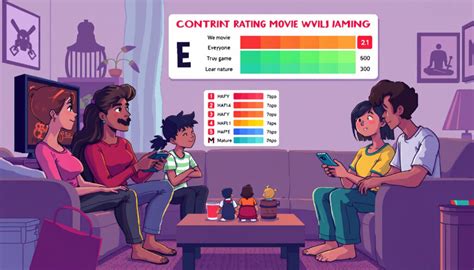
The most crucial first step is to familiarize yourself with game rating systems. In North America, the ESRB (Entertainment Software Rating Board) provides age and content ratings (e.g., E for Everyone, T for Teen, M for Mature) along with content descriptors (e.g., “Fantasy Violence,” “Mild Language”). In Europe, PEGI (Pan European Game Information) serves a similar purpose. Always check these ratings before a game enters your home.
Do Your Research Beyond the Box
Ratings are a good starting point, but they don’t tell the whole story. Dive deeper:
- Read Reviews: Look for reviews from reputable gaming websites, parent blogs, or even other parents. Pay attention to gameplay mechanics, themes, and potential triggers.
- Watch Gameplay Videos: A quick search on platforms like YouTube can give you a visual understanding of what the game looks like in action, helping you assess its suitability.
- Talk to Other Parents: Word-of-mouth recommendations and warnings from parents whose children play similar games can be invaluable.
- Consider the “Why”: Why does your child want to play this specific game? Is it because friends play it? Is it a popular trend? Understanding their motivation can help you guide them.

Play Together or Observe
The best way to know if a game is appropriate is to experience it yourself. Play a few rounds with your child, or sit and observe their gameplay. This allows you to witness the content firsthand, gauge their reactions, and open a dialogue about what they’re experiencing. It also shows your interest and fosters a shared activity.
Managing Healthy Gaming Screen Time
Once you’ve chosen suitable games, the next challenge is managing how much time is spent playing them. Healthy screen time isn’t just about limiting hours; it’s about balance, quality, and context.
Establish Clear Rules and Boundaries

Work with your child to set clear, consistent rules about gaming. This might include:
- Time Limits: Decide on daily or weekly allowances for gaming. Use timers (physical or digital) to enforce these limits.
- “No Gaming” Zones/Times: Designate certain times (e.g., during meals, before bed) or places (e.g., bedrooms without supervision) where gaming is off-limits.
- Earned Screen Time: Link gaming time to responsibilities, like completing homework or chores, teaching valuable lessons about priorities.
- Screen-Free Alternatives: Ensure a balance by scheduling and encouraging other activities like reading, outdoor play, creative hobbies, and family time.
Utilize Parental Control Tools
Most gaming consoles, PCs, and mobile devices offer built-in parental control features. These can help you:
- Set time limits automatically.
- Restrict access to certain content or features (e.g., online chat, purchases).
- Monitor activity.
These tools are an aid, not a replacement for open communication, but they can provide an important layer of protection and consistency.
Encourage a Balanced Lifestyle
Gaming should be one piece of a rich and varied life. Actively encourage and provide opportunities for your child to engage in other activities:
- Sports and physical activity
- Reading and creative arts
- Spending time with friends offline
- Contributing to household tasks
- Outdoor exploration
Model this balance yourself. If your children see you engaging in diverse activities, they are more likely to follow suit.
Foster Open Communication
The most powerful tool you have as a parent is open and honest communication. Talk to your children about their gaming experiences, asking what they like, what they find challenging, and how it makes them feel. Discuss the importance of balance, the potential downsides of excessive screen time, and the reasons behind your rules. When children understand the “why,” they are more likely to cooperate and develop their own healthy habits.
Navigating the digital landscape requires a proactive and informed approach. By carefully selecting games, establishing clear boundaries, and fostering open dialogue, parents can help their children enjoy the benefits of gaming while developing healthy, balanced digital citizenship.