



For diverse games, how best to tailor beginner guides for engagement & quick understanding?
In the vast and ever-expanding universe of video games, from intricate strategy epics to immersive role-playing adventures and quick-witted puzzle challenges, the entry barrier for new players can be daunting. A poorly designed beginner guide can lead to frustration and abandonment, while a thoughtfully tailored one can spark a lifelong passion. The key lies not in a one-size-fits-all approach, but in customizing the learning experience to suit the game’s unique mechanics and the player’s specific needs.

The Challenge of Diverse Game Types
Modern gaming encompasses an incredible spectrum of genres, each with its own conventions, complexities, and learning curves. A real-time strategy (RTS) game might demand simultaneous management of resources, units, and tactics, while a narrative-driven RPG focuses on character progression, world lore, and dialogue choices. A crafting simulator requires mastery of intricate systems, whereas a fast-paced shooter prioritizes reflexes and map awareness. Traditional, text-heavy manuals often fail because they don’t adapt to these fundamental differences, overwhelming players with irrelevant information or failing to highlight critical initial steps.
Knowing Your Audience is Paramount
Before designing any guide, it’s crucial to identify who it’s for. Are you targeting absolute newcomers to gaming, or just to this specific genre? Is it for players returning after a long hiatus, or those seeking to transition from a similar title? Understanding your audience’s prior knowledge, learning styles, and potential pain points allows for a more empathetic and effective guide. A veteran RTS player might only need a quick rundown of unique unit abilities, while a total beginner needs a step-by-step introduction to basic controls, resource gathering, and build orders.
Core Principles for Effective Guides
Regardless of genre, several foundational principles can elevate a beginner guide from merely informative to truly transformative. These focus on breaking down complexity and making learning an engaging part of the game experience itself.
Prioritize Core Mechanics & Progressive Disclosure
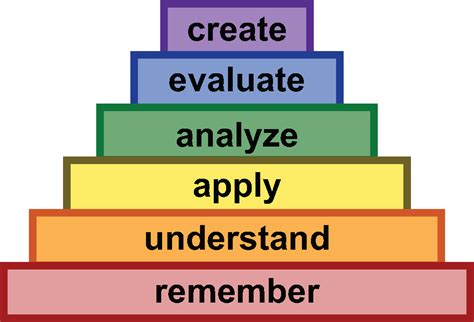
New players should first grasp the absolute essentials required to play the game and experience its core loop. Avoid front-loading every single detail. Instead, introduce concepts incrementally. Start with movement and basic interaction, then gradually unveil combat, inventory, crafting, or advanced strategies as the player demonstrates readiness. This “progressive disclosure” prevents overwhelm and builds confidence.
- Layered Learning: Introduce mechanics in small, digestible chunks.
- Contextual Help: Offer tips and explanations exactly when the player needs them, tied to specific in-game events.
- “Need-to-Know” First: Distinguish between essential knowledge and optional advanced techniques.

Embrace Visuals and Interaction
Text alone is often insufficient. Visual aids such as annotated screenshots, short video clips, animated GIFs, and clear UI highlights can convey complex information far more quickly and effectively. Even better are interactive tutorials that allow players to practice new mechanics in a safe, guided environment. Hands-on experience solidifies understanding more than passive reading.
- Illustrative Graphics: Use images to point out UI elements, character abilities, or key locations.
- Embedded Videos/GIFs: Demonstrate complex actions or timings that text struggles to explain.
- Playable Tutorials: Create mini-scenarios or sandbox areas where players can experiment without consequence.
Gamify the Learning Process
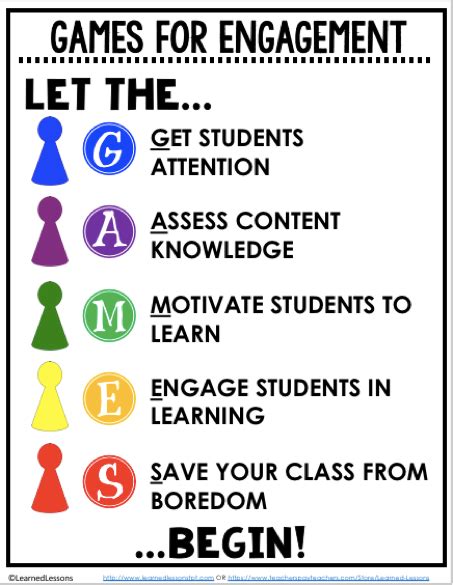
Why should learning be a chore when the game itself is fun? Integrate tutorials seamlessly into the game’s narrative or progression system. Turn learning objectives into mini-quests, award achievements for mastering new skills, or provide in-game rewards (currency, items, unlocks) for completing tutorial segments. This approach leverages the game’s inherent motivational structure to encourage engagement with the guide.
Tailoring for Specific Genres
While the core principles apply broadly, their implementation varies. For an RPG, focus on character creation choices, quest logs, and combat fundamentals, perhaps even offering a short “first quest” tutorial. For an RTS, guide players through their first base build, unit production, and basic skirmish. For a puzzle game, introduce core mechanics with simple examples before ramping up difficulty. The goal is always to provide the most relevant information in the most accessible format for that particular game type.

Measuring and Iterating for Success
An effective beginner guide isn’t a static document; it’s an evolving tool. Implement analytics to track where new players drop off, which tutorial sections they spend most time on, or if they struggle with specific mechanics. Gather player feedback through surveys, forums, and direct communication. Use this data to continually refine and improve your guides, ensuring they remain relevant, clear, and engaging as the game itself evolves.
Ultimately, a well-tailored beginner guide is an investment in your game’s community and longevity. By prioritizing engagement, clarity, and progressive learning, developers and guide creators can transform potential frustration into lasting player loyalty and enjoyment, opening the door to the rich worlds they’ve crafted.