




Which age-appropriate games truly educate and engage kids?
Beyond Just Fun: The Power of Play
In an increasingly digital world, children are surrounded by games. While many offer instant gratification, discerning parents are always searching for options that go beyond mere entertainment, seeking out games that genuinely educate and engage their children in age-appropriate ways. The goal isn’t just to occupy time, but to enrich minds, foster critical skills, and encourage healthy development.
Choosing the right game can significantly impact a child’s cognitive, emotional, and social growth. From problem-solving to creativity, and from fine motor skills to collaboration, well-designed games offer a unique platform for learning. But with countless options available, how do parents identify those truly valuable experiences?
What Makes a Game “Educational” and “Engaging”?
Key Characteristics to Look For
Truly educational and engaging games share several common traits:
- Active Participation: They require children to do more than just passively watch; they demand interaction, decision-making, and problem-solving.
- Clear Learning Objectives: While fun, they subtly integrate lessons in areas like literacy, numeracy, science, logic, or creativity.
- Adaptability: Many offer varying difficulty levels or open-ended play that grows with the child.
- Positive Reinforcement: They encourage persistence and celebrate effort and success in a constructive way.
- High Quality & Age Appropriateness: Graphics, sounds, and content are suitable for the target age group, free from excessive ads or distracting elements.
- Encourages Critical Thinking & Creativity: The best games prompt children to think strategically, experiment, and express themselves.
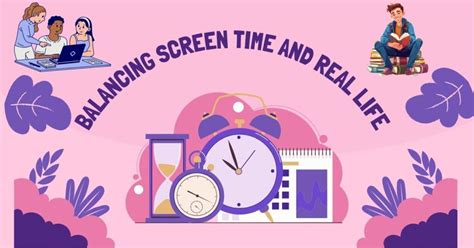
Balancing Screen Time and Active Play
It’s crucial to remember that digital games are just one part of a child’s play diet. The most effective approach integrates screen-based learning with plenty of physical activity, imaginative play, reading, and social interaction. A balanced environment ensures holistic development.

Tailoring Play to Developmental Stages
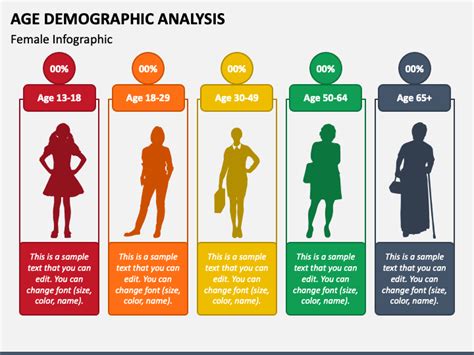
The concept of “age-appropriate” is paramount. A game that’s perfect for a 4-year-old might bore an 8-year-old or frustrate a 2-year-old.
Toddlers (1-3 years): Sensory & Motor Skill Focus
For the youngest learners, games should focus on sensory exploration, cause-and-effect, and basic motor skill development. Think simple puzzle apps, interactive storybooks with touch responses, or virtual shape sorters. The key here is simplicity and immediate feedback.
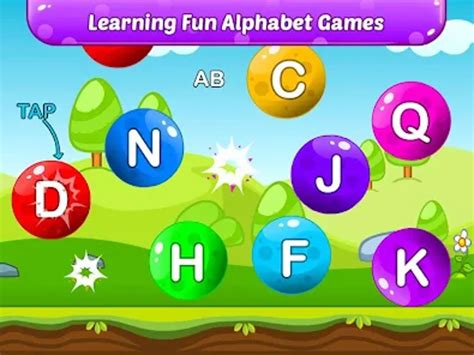
Preschoolers (3-5 years): Early Literacy & Numeracy
As children enter preschool, their minds are primed for early literacy and numeracy. Games that introduce letter sounds, number recognition, basic counting, and shape identification are excellent. Creative apps that allow them to draw, build virtual objects, or tell simple stories also boost imaginative thinking and fine motor skills.
Early Elementary (6-8 years): Logic & Strategy
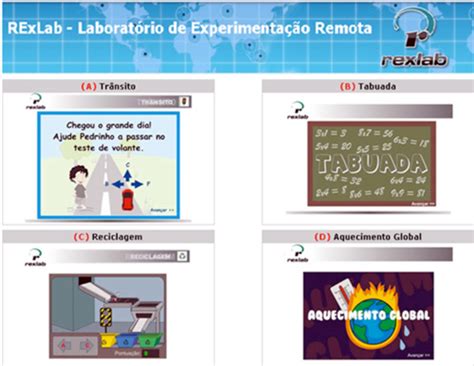
At this stage, children begin to develop stronger logical reasoning and problem-solving abilities. Look for games that involve simple coding concepts, strategic thinking (like digital board games or card games), reading comprehension adventures, or virtual science experiments that explain basic physics or biology.
Late Elementary & Pre-Teens (9-12 years): Complex Thinking & Collaboration
Older children can handle more complex narratives, intricate puzzles, and collaborative challenges. Role-playing games (RPGs) that require strategic planning, resource management simulations, collaborative world-building games (e.g., Minecraft-style), and games that teach about history, geography, or economics can be highly engaging and educational. Games that encourage teamwork and communication also teach invaluable social skills.

Guiding Your Child’s Play Journey
Parents play a vital role beyond just selecting games. Active involvement enhances the educational impact:
- Play Together: Join in! Playing alongside your child allows for discussion, shared problem-solving, and understanding what they’re learning.
- Observe & Discuss: Ask questions about the game. “What did you learn today?” “How did you solve that problem?” “What would happen if…?”
- Set Time Limits: Healthy boundaries for screen time are essential to ensure a balanced lifestyle.
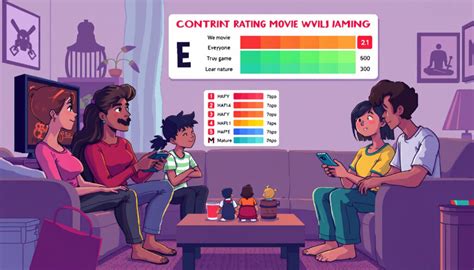
- Check Reviews & Ratings: Utilize app store ratings, educational game reviews, and recommendations from trusted parenting resources.
- Prioritize Open-Ended Play: Games that don’t have a single “right” answer or allow for creative freedom often have longer-lasting educational value.

The Future of Learning Through Play
Educational games, when chosen thoughtfully and integrated into a balanced play routine, are powerful tools for child development. They offer dynamic, interactive ways for children to explore concepts, build skills, and engage with the world around them. By understanding what makes a game truly educational and matching it to a child’s developmental stage, parents can confidently guide their children towards enriching and engaging digital experiences that foster a lifelong love for learning.