




How to find age-appropriate games for family fun and safe play?

In today’s digital age, video games and interactive entertainment are an integral part of many children’s lives. While they offer numerous benefits, from cognitive development to social interaction, choosing the right games can feel like a daunting task for parents. Ensuring that games are not only fun but also suitable for a child’s age and maturity level is crucial for fostering a positive and safe play environment.
Why Age-Appropriateness Matters
Selecting games that align with a child’s developmental stage is more than just avoiding mature content; it’s about maximizing the benefits of play. Age-appropriate games provide challenges that are stimulating but not overwhelming, content that is relatable and understandable, and experiences that contribute positively to their growth. Conversely, games that are too advanced or contain inappropriate themes can lead to frustration, anxiety, exposure to harmful concepts, or even normalize behaviors parents wish to discourage.
Understanding Game Rating Systems
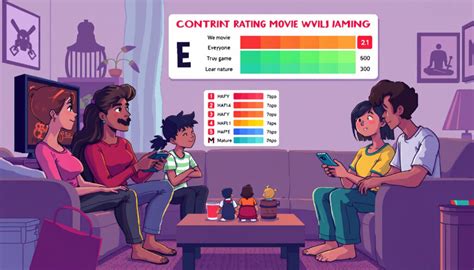
The first line of defense for parents is understanding and utilizing game rating systems. These systems provide clear indicators of a game’s content and recommended age suitability, helping parents make informed decisions at a glance.
- ESRB (Entertainment Software Rating Board): Predominantly used in North America, ESRB ratings (e.g., E for Everyone, T for Teen, M for Mature) come with content descriptors that detail specific elements like violence, language, or suggestive themes.
- PEGI (Pan European Game Information): Widely used across Europe, PEGI ratings offer age labels (e.g., 3, 7, 12, 16, 18) and content descriptors for violence, bad language, fear, sex, drugs, discrimination, gambling, and in-game purchases.
- IARC (International Age Rating Coalition): This global rating system provides ratings for digital-only games and apps across multiple storefronts, often incorporating localized ratings from member organizations like ESRB, PEGI, USK (Germany), and GRAC (South Korea).

Key Factors to Consider When Choosing Games
Content Themes
Beyond the rating, delve into the specific content. Does the game feature violence, and if so, what type? Is there strong language, mature themes, or suggestive content? Consider how these themes align with your family’s values and your child’s emotional maturity.
Complexity and Skill Level
A game might be rated ‘E for Everyone,’ but its mechanics could be too complex for a very young child, leading to frustration. Look for games that match your child’s cognitive abilities, problem-solving skills, and fine motor coordination. Many games now offer adjustable difficulty settings, which can be a good compromise.
Interactive Elements and Online Play
Many modern games feature online multiplayer modes, in-game purchases, or social interaction elements. Be aware of who your child might be interacting with, the potential for unsolicited communication, and the temptation of microtransactions. Parental controls offered by gaming consoles and platforms can help manage these risks.
![Black History Family Vacations | [site:name] | Essence](/images/aHR0cHM6Ly90czEubW0uYmluZy5uZXQvdGg/aWQ9T0lQLm1zUE00X1FzaG5WODVhUWMxaEhJN0FIYUU4JnBpZD0xNS4x.webp)
Practical Tips for Parents
- Research Before You Buy: Don’t just rely on the cover art. Look up reviews from reputable gaming sites and parent forums. Websites like Common Sense Media offer detailed age recommendations and insights from both kids and parents.
- Watch Gameplay Videos: YouTube and Twitch are great resources for watching gameplay footage. Seeing the game in action can give you a much clearer idea of its content, pace, and complexity.
- Play Together: The best way to understand a game is to experience it yourself. Playing with your children provides bonding opportunities and firsthand insight into the game’s suitability.
- Communicate with Your Children: Talk to your kids about the games they’re interested in and why. Discuss appropriate behavior online and the importance of reporting anything that makes them uncomfortable.
- Utilize Parental Controls: Most gaming platforms and devices offer robust parental control features, allowing you to set time limits, restrict access to certain content, disable in-game purchases, and manage online interactions.

Beyond Digital Games: Board Games and Outdoor Fun
While this article focuses primarily on digital games, the principles of age-appropriateness apply equally to traditional board games, card games, and even outdoor activities. Look for board games that match attention spans, strategic thinking, and cooperative or competitive preferences. For outdoor play, ensure activities are safe and provide suitable physical challenges without unnecessary risks.

Conclusion
Choosing age-appropriate games is an ongoing process that involves vigilance, research, and open communication. By understanding rating systems, considering content and complexity, and actively engaging with your children’s play, you can cultivate a healthy and enjoyable gaming experience. Remember, the goal is to find games that not only entertain but also enrich, providing safe and memorable family fun.