




How can beginner guides for new games best explain complex mechanics simply?

The Challenge of Demystifying Game Mechanics
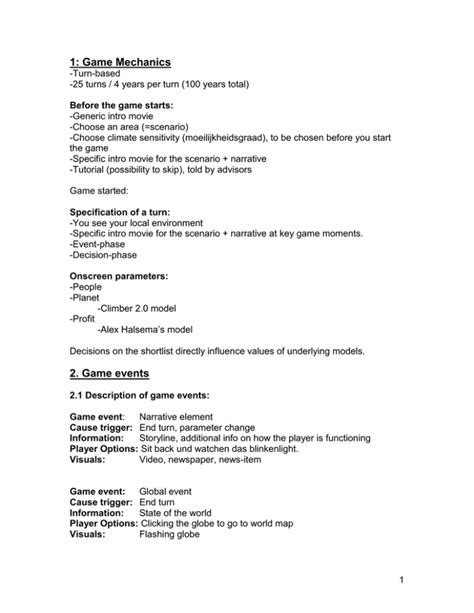
New games, especially those in genres like strategy, RPGs, or simulations, often come packed with intricate systems, unique terminology, and deeply intertwined mechanics that can overwhelm a novice player. A well-crafted beginner guide isn’t just about listing features; it’s about translating this complexity into digestible, actionable knowledge. The goal is to onboard new players smoothly, enabling them to understand core concepts without feeling intimidated or lost in a sea of information.
Visual Aids: The Power of Seeing is Believing
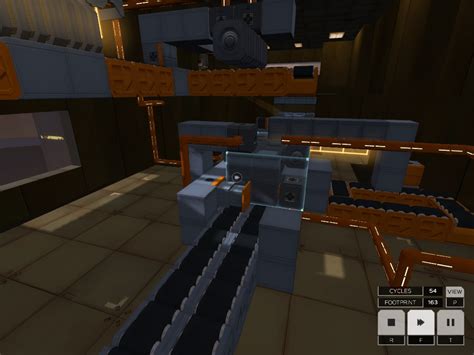
One of the most effective ways to simplify complex game mechanics is through strong visual support. Text descriptions alone can fall short when explaining spatial relationships, interface elements, or cause-and-effect chains. High-quality screenshots, annotated diagrams, flowcharts, or even short animated GIFs can illustrate concepts far more effectively than paragraphs of text. For instance, explaining a crafting tree is much easier with a diagram than a list of recipes.

Visual aids should be clear, uncluttered, and directly relevant to the point being made. They act as immediate reference points, allowing players to quickly connect the guide’s explanation to what they see on their screen. Using color-coding or highlighting key areas in screenshots can draw attention to the most important elements.
Step-by-Step Breakdowns and Progressive Learning
Complex mechanics are rarely a single concept; they are often a series of interconnected actions or systems. Breaking down these larger mechanics into smaller, manageable steps is crucial. Guides should adopt a progressive learning approach, introducing fundamental concepts first before building upon them to explain more advanced interactions.
For example, instead of explaining an entire combat system at once, a guide could first cover basic movement and attack, then introduce special abilities, followed by elemental weaknesses, and finally advanced tactics like crowd control or resource management. Each step should be accompanied by practical examples of how to apply the knowledge in-game, fostering a ‘learn-by-doing’ approach.
Analogies and Real-World Comparisons
Sometimes, the abstract nature of game mechanics can be a barrier. Employing analogies to real-world concepts or mechanics from other popular games can bridge this gap. If a game has a resource management system similar to city-builders, or a combat system akin to a familiar RPG, drawing those comparisons can provide an instant framework for understanding.
This approach helps new players relate unfamiliar game logic to something they already comprehend, reducing the cognitive load. However, it’s vital to ensure analogies are accurate and don’t oversimplify to the point of misleading the player.
Clarity, Conciseness, and Avoiding Jargon
The language used in a beginner guide must be clear, concise, and free of unnecessary jargon. While some game-specific terms are unavoidable, they should be introduced gradually and explained thoroughly upon their first appearance. Overly technical language or lengthy, convoluted sentences only serve to confuse and frustrate new players.
Focus on getting straight to the point. Use active voice, simple sentence structures, and bullet points for lists of information. A good guide anticipates player questions and addresses them directly, rather than burying answers in dense prose.

Practical Application and Context
Explaining what a mechanic is isn’t enough; a guide must also explain what it does and, critically, why it matters to the player. Providing context and demonstrating practical application helps players understand the significance of a mechanic and how to leverage it for their benefit.
For instance, explaining a ‘crit chance’ stat is more useful when followed by an example of how increasing it benefits damage output and how to achieve that increase through equipment or skills. Including ‘pro tips’ or common pitfalls related to specific mechanics can also greatly enhance a guide’s utility.
Interactive and Modular Design
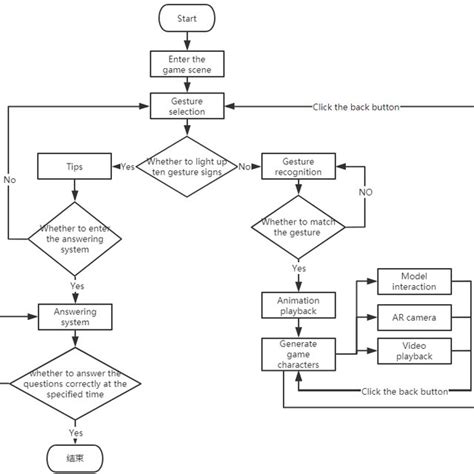
While not always possible depending on the guide’s platform, an interactive or modular design can greatly enhance simplicity. For web-based guides, this could mean clickable sections, search functionality, or pop-up definitions for jargon. A modular approach allows players to skip sections they already understand or easily revisit specific mechanics they need to review.
Conclusion: Empowering New Explorers
Ultimately, the best beginner guides don’t just explain complex mechanics; they empower new players to confidently explore and enjoy a game without feeling overwhelmed. By combining clear, concise language with powerful visual aids, step-by-step breakdowns, relatable analogies, and a focus on practical application, guides can effectively demystify even the most intricate systems. This thoughtful approach ensures that the barrier to entry is lowered, inviting more players to dive into rich gaming experiences.