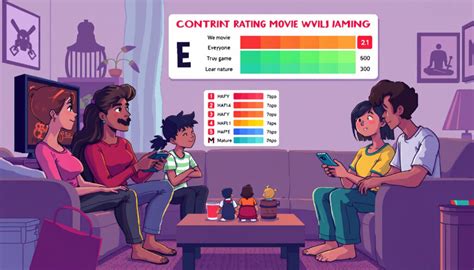





Tips to manage kids’ in-game purchases and microtransactions?

The digital playground has evolved, and with it, new challenges for parents. In-game purchases and microtransactions have become ubiquitous in today’s video games, from mobile apps to console blockbusters. While they can enhance a gaming experience, they also pose significant risks to your budget and can lead to misunderstandings with children. Understanding how to manage these digital transactions is crucial for fostering responsible digital citizenship and safeguarding your family’s finances.
Understanding the World of In-Game Purchases
Microtransactions are small purchases made within a video game, often for virtual currency, cosmetic items (like character skins), or gameplay advantages (like extra lives or powerful weapons). These can range from a few cents to hundreds of dollars and are often designed to be enticing and easy to make, sometimes even exploiting psychological triggers.
It’s important to differentiate between genuinely value-adding content and predatory tactics. Many games offer “loot boxes” or “gacha” mechanics, which are essentially digital slot machines, promising rare items with an element of chance. These can be particularly addictive and problematic for children who may not fully grasp the concept of monetary value or probability.

Set Clear Boundaries and Expectations
Open communication is the first line of defense. Talk to your children about what in-game purchases are and why they cost real money. Explain the family budget and discuss how buying virtual items might impact other family spending or saving goals. Establish clear rules before they start playing games that feature these mechanics.
- No Unapproved Purchases: Make it a hard rule that no purchases can be made without explicit parental permission.
- Spending Limits: If you allow purchases, set a strict monthly or weekly budget. This could be a fixed amount or tied to chores and allowances.
- Earning Privileges: Treat in-game currency or purchases as something to be earned, whether through good grades, helping around the house, or saving their own money.
Implement Robust Parental Controls
Technology offers tools to help manage this. Most gaming platforms (PlayStation, Xbox, Nintendo, Steam), app stores (Apple App Store, Google Play), and even specific game apps provide parental control settings to restrict or block purchases. Make sure to explore and utilize these features.
- Require Passwords for Purchases: Set up your device or app store to always require a password (known only to you) for every purchase. Do not share this password with your children.
- Disable In-App Purchases: Some devices allow you to turn off in-app purchases entirely. This is the most secure option for younger children.
- Use Gift Cards: If you allow spending, consider purchasing physical gift cards for specific platforms. This limits spending to the card’s value and prevents direct access to your credit card.

Teach Financial Literacy Through Gaming
In-game purchases can serve as a valuable teaching moment about personal finance. Use it as an opportunity to discuss budgeting, wants versus needs, and the value of money. Encourage your children to think critically before making a purchase.
- Opportunity Cost: Ask them what else they could buy with the money they want to spend on a virtual item. Is a new skin worth giving up a new book or a trip to the ice cream shop?
- Delayed Gratification: Encourage saving for larger, more meaningful in-game items or even real-world items.
- Digital Citizenship: Discuss how game developers make money and the psychology behind enticing players to spend.

Monitor and Review Regularly
Parental controls are not a set-it-and-forget-it solution. Game interfaces and app store policies can change, and children may discover workarounds. Regularly review your settings and check purchase histories.
- Check Transaction History: Periodically review your credit card statements or platform purchase histories for any unexpected charges.
- Discuss New Games: Before your child starts playing a new game, research its monetization model. Some games are free-to-play but heavily rely on microtransactions.
- Stay Informed: Keep an eye on gaming news and trends, especially concerning new monetization tactics that might target children.
Conclusion
Managing in-game purchases and microtransactions is an ongoing process that requires a combination of open communication, technological safeguards, and financial education. By proactively setting boundaries, utilizing parental controls, and teaching responsible spending habits, parents can help their children navigate the digital world safely and wisely, ensuring gaming remains a fun and positive experience without unexpected financial surprises.