



How to write beginner game guides without assuming prior player knowledge?

Understanding the Beginner’s Mindset
Writing a game guide for beginners can be trickier than it seems. The biggest hurdle is often our own familiarity with gaming conventions and the specific game mechanics. What feels intuitive to an experienced player can be a complete mystery to someone just starting out, or even to a seasoned gamer picking up a new genre. The goal is to bridge this knowledge gap effectively, ensuring every player, regardless of their background, can follow along and succeed.
To truly serve a beginner audience, you must approach the game as if you’ve never touched a controller or clicked a mouse in a virtual world before. This means deconstructing even the most fundamental concepts and explaining them clearly, leaving no stone unturned.

Start from the Absolute Basics
Begin your guide with the very first steps a player takes. This includes:
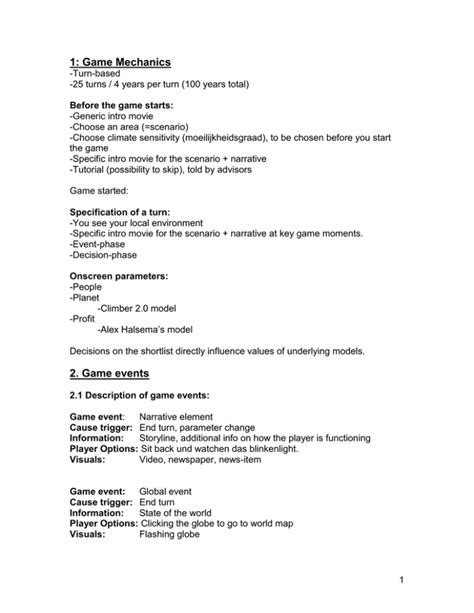
- Basic Controls: How to move, interact, look around, and access menus. Explicitly list default keybinds or controller inputs.
- User Interface (UI) Explained: Point out and describe every element on the screen – health bars, mini-maps, inventory slots, quest logs. Don’t just say ‘check your inventory’; explain what the inventory icon looks like and where it’s located.
- Core Mechanics Defined: Introduce fundamental game concepts like ‘hit points,’ ‘mana,’ ‘leveling up,’ ‘crafting,’ or ‘quests.’ Define these terms simply and clearly the first time they appear.
Assume the player doesn’t know what an ‘RPG,’ ‘FPS,’ or ‘MOBA’ means, let alone specific in-game jargon. Always define acronyms and unique game terms.
Break Down Complex Concepts into Digestible Steps
Many games feature intricate systems that can overwhelm new players. Your guide’s job is to simplify these. Instead of presenting a massive block of information, break it down:
- Step-by-Step Instructions: For any process, from crafting an item to completing a tutorial mission, provide clear, numbered steps.
- Use Analogies: If a game mechanic is similar to something outside the game, a simple analogy can help new players grasp the concept more quickly.
- Focus on ‘Why’: Explain not just *how* to do something, but *why* it’s important. For example, ‘Collecting these resources allows you to craft stronger weapons, which you’ll need for tougher enemies.’
Visuals and Examples are Key
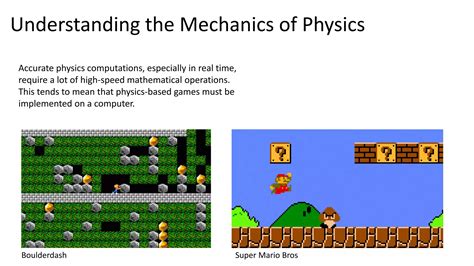
For beginner guides, a picture is often worth a thousand words. While you can’t include images directly in this format, a good guide implicitly relies on visuals.
- Describe Visual Cues: When referring to an on-screen element, describe its appearance. E.g., ‘Look for the glowing blue exclamation mark above an NPC’s head.’
- Concrete Examples: Instead of abstract advice, provide specific examples. ‘To level up, defeat five specific types of enemies in this zone.’
- Walkthroughs: For initial quests or critical early-game objectives, provide a detailed walkthrough of exactly what the player should do, where they should go, and what they should expect.
Anticipate and Answer Player Questions
Think like a new player. What questions would they have? What common mistakes do beginners make? Incorporate these into your guide:
- Common Pitfalls: Highlight areas where new players often get stuck or make suboptimal choices. For example, ‘Don’t spend all your starting currency on cosmetic items; save some for essential gear.’
- Troubleshooting Tips: If there’s a common issue (e.g., getting lost, missing an objective), provide simple solutions.
- FAQs Section: Consider a dedicated section for frequently asked questions specific to early gameplay.

Test Your Guide with Actual Beginners
The ultimate test of a truly beginner-friendly guide is to have someone who has never played the game (or even the genre) read and follow it. Observe where they struggle, what they misunderstand, and what questions they still have. This feedback is invaluable for refining your guide and ensuring it’s genuinely accessible.
Iterate on your guide based on their input. What seems perfectly clear to you might be a significant stumbling block for a true novice. Don’t be afraid to add more detail or rephrase sections that aren’t hitting the mark.

Conclusion
Writing beginner game guides without assuming prior player knowledge is an act of empathy and meticulous detail. By starting with the absolute basics, breaking down complex information, using clear examples, anticipating questions, and rigorously testing your content with new players, you can create a resource that genuinely empowers anyone to dive into and enjoy a new game. Your efforts will not only help individuals but also enrich the broader gaming community by making games more accessible to all.