
How can game guides best distill complex game mechanics into simple, actionable first steps for beginners?

Navigating the intricate worlds and systems of modern video games can be an overwhelming experience for newcomers. From sprawling skill trees and elaborate crafting systems to nuanced combat mechanics and strategic resource management, many games present a steep learning curve. The challenge for game guide creators isn’t just to explain these mechanics, but to distill them into simple, actionable first steps that empower beginners rather than inundate them. This article explores effective strategies for guides to bridge the gap between complexity and beginner comprehension.
Understand Your Audience and Their Pain Points
The first step in crafting an effective guide is to deeply understand who your audience is. Are they completely new to gaming, or just new to this specific genre? What are the common initial hurdles players face in the game? Are they struggling with basic controls, inventory management, or understanding quest objectives? By identifying these ‘pain points,’ guides can directly address the most pressing needs, providing immediate solutions to frustrations that might otherwise lead to early abandonment.
Prioritize Core Concepts and Essential Actions
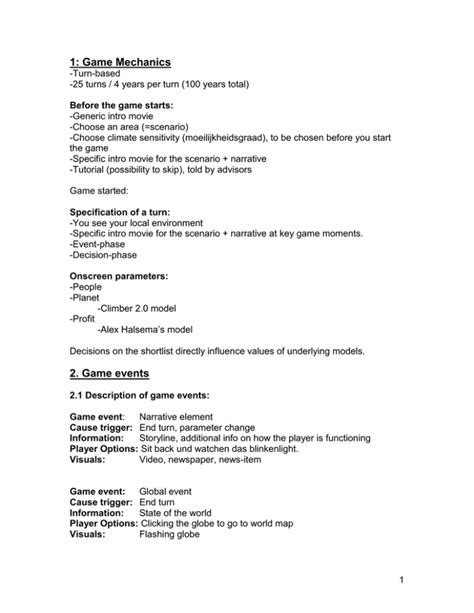
Resist the urge to dump all information at once. Instead, identify the absolute core mechanics a player needs to understand to progress through the very initial stages of the game. This typically includes movement, basic interaction, primary attack or ability, and the overarching goal of the starting area. Focus on the ‘minimum viable knowledge’ required for a player to feel competent and make progress. For example, in an RPG, teach how to move, attack, loot a basic item, and complete the first tutorial quest, deferring advanced character builds or crafting systems for later.
Break Down Complexity with Layered Learning
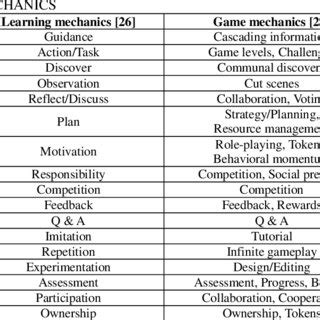
Complex mechanics are best introduced incrementally. Think of it as ‘layered learning’ – introduce the foundational concept, then build upon it with additional details or advanced applications. For instance, explaining a combat system might start with ‘how to attack,’ then ‘how to block,’ then ‘how to dodge,’ and finally ‘how to combine these actions for optimal performance.’ Each layer should be a complete, actionable step that can be practiced before moving to the next. This ‘crawl, walk, run’ approach prevents information overload and allows beginners to integrate knowledge at their own pace.
Leverage Visuals and Actionable Examples
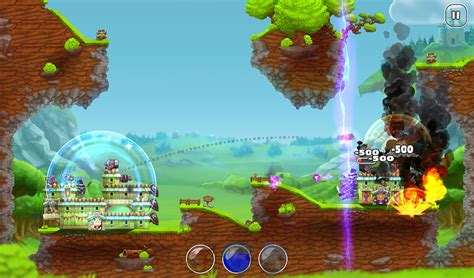
Text-heavy explanations can often be a barrier. Effective guides make liberal use of visuals: screenshots with highlighted areas, simple flowcharts, short video clips, or animated GIFs demonstrating actions. Alongside visuals, concrete, actionable examples are paramount. Instead of just saying ‘use your abilities,’ provide specific steps like: ‘To use ‘Fireball,’ press ‘Q’ when a target is selected. This spell deals area damage.’ Give the player exact instructions they can immediately replicate in-game.

Emphasize the “Why” Before the “How”
Understanding the purpose behind a mechanic can greatly enhance a beginner’s motivation to learn it. Before detailing how to use a crafting system, briefly explain why crafting is important (e.g., ‘Crafting allows you to create stronger gear and consumables that are essential for tougher encounters’). This provides context and demonstrates the value, making the subsequent ‘how-to’ steps more meaningful and easier to absorb. Knowing the benefit makes the effort worthwhile.

Provide Practice Opportunities and Troubleshooting
Good guides don’t just explain; they encourage practice. Suggest specific in-game areas or scenarios where beginners can safely experiment with new mechanics. Additionally, anticipate common pitfalls or errors and provide clear troubleshooting steps. ‘If your ability isn’t firing, check if you have enough mana/energy, or if it’s on cooldown.’ This proactive approach helps beginners overcome obstacles independently and builds confidence.
Conclusion
Distilling complex game mechanics into simple, actionable first steps is an art that requires empathy, clarity, and strategic presentation. By understanding the beginner’s perspective, prioritizing core concepts, employing layered learning, utilizing strong visuals, emphasizing purpose, and facilitating practice, game guides can transform intimidating experiences into engaging journeys. Ultimately, a well-crafted guide doesn’t just teach the game; it empowers the player to enjoy it from the very first step.