



Discover truly F2P mobile games, not hidden pay-to-win traps?
The Elusive Promise of Free-to-Play Mobile Gaming
Mobile gaming has revolutionized how we interact with entertainment, offering countless titles at our fingertips, many of which proudly declare themselves “free-to-play” (F2P). This promise of endless fun without an upfront cost is incredibly appealing. However, as many seasoned players know, the F2P label often comes with a significant asterisk. Beneath the surface, a vast number of these games are designed with sophisticated monetization strategies that actively push players towards making in-app purchases (IAPs) to progress, creating a frustrating “pay-to-win” (P2W) environment. The challenge for modern mobile gamers is distinguishing between truly F2P experiences and those cleverly disguised money traps.
This article aims to equip you with the knowledge and insights needed to identify genuinely F2P mobile games, allowing you to enjoy hours of entertainment without feeling obligated to spend a dime to keep up or progress. We’ll delve into what defines a true F2P model, expose common P2W tactics, and provide practical tips for vetting games before you invest your precious time.

Defining ‘Truly F2P’: More Than Just a Price Tag
A truly F2P game is one where every aspect of the core gameplay experience – progression, competitiveness, and enjoyment – is accessible and achievable for all players, regardless of whether they spend money. Monetization in these games typically focuses on cosmetic items, convenience features that don’t impact power, or optional expansions that enhance the experience without making them mandatory for the base game. Key characteristics include:
- Cosmetic-Only Purchases: All IAPs are purely aesthetic, such as character skins, emotes, or visual effects, offering no in-game advantage.
- Skill-Based Progression: Success is primarily determined by player skill, strategy, and time investment, not by purchased power-ups or characters.
- Fair Resource Acquisition: Essential in-game resources, currency, and items can be earned at a reasonable pace through gameplay, without artificial bottlenecks.
- No Energy Systems or Artificial Time Gates: Players can play as much as they want, whenever they want, without being limited by an ‘energy’ meter that refreshes slowly or by excessively long build/upgrade timers designed to be skipped with premium currency.
- Optional Ads: While some truly F2P games may feature ads, they are typically optional (e.g., watch an ad for a bonus reward) rather than intrusive and forced.
Common Pay-to-Win Traps to Avoid
Recognizing P2W mechanics is crucial. Developers employ various strategies to subtly or overtly pressure players into spending. Here are some of the most prevalent traps:
Energy Systems: A classic P2W tactic where every action (e.g., playing a level, crafting an item) consumes a unit of ‘energy’ that replenishes slowly over time. The primary way to bypass this wait is by spending premium currency.
Mandatory Grind Walls: The early game is smooth, but progression slows dramatically at a certain point, requiring an unreasonable amount of repetitive grinding unless players purchase experience boosts, resources, or stronger gear.
Loot Boxes for Power: Randomized reward systems (gacha mechanics) that offer a chance at powerful characters, weapons, or items. While fun, when these items provide significant gameplay advantages, it quickly becomes P2W.
VIP Levels: Games that offer ‘VIP’ statuses based on cumulative spending. These levels unlock exclusive benefits, power bonuses, or daily rewards that give paying players a distinct advantage.
Time-Gated Progression for Essentials: Features like building upgrades, character training, or research that take excessively long to complete unless players spend premium currency to instantly finish them. If these features are essential for competitive play, it’s a P2W trap.

How to Spot a Truly F2P Gem Before You Play
Before diving deep into a new mobile game, a little research can save you a lot of frustration:
- Read Player Reviews Carefully: App store reviews are a goldmine of information. Filter by lower ratings and look for common complaints about paywalls, unfair difficulty spikes, or mandatory spending. Pay attention to reviews from players who have been playing for a while.
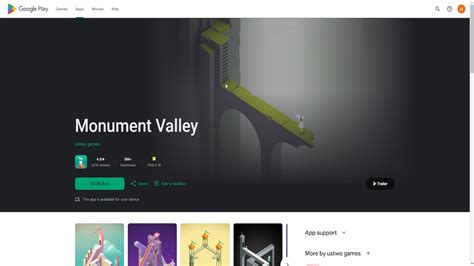
- Scrutinize In-App Purchase (IAP) Descriptions: Before downloading, check the game’s app store page for the ‘In-App Purchases’ section. If you see direct purchases for ‘powerful items,’ ‘resources bundles,’ ‘XP boosts,’ or ‘VIP subscriptions,’ be wary. Cosmetic-only games will often explicitly state that IAPs are for aesthetics.
- Check Developer Reputation: A developer with a history of fair F2P games is a good sign. Conversely, a studio known for predatory monetization schemes should raise a red flag.
- Watch Gameplay Videos and Streams: Observing how experienced players progress without spending money can reveal a lot. Do they hit obvious paywalls? Are top players all using purchased items?
- Engage with Gaming Communities: Subreddits, forums, and Discord servers dedicated to mobile gaming are excellent places to ask for recommendations for genuinely F2P titles and to get honest opinions on specific games.

Genres That Often Deliver Fair F2P Experiences
While P2W mechanics can infiltrate any genre, some categories tend to be more player-friendly in their F2P implementation:
- Pure Skill-Based Multiplayer (e.g., MOBAs, some fighting games): Games like League of Legends: Wild Rift or Brawlhalla Mobile often monetize through cosmetics, offering all characters and abilities to every player through consistent gameplay.
- Puzzle Games: Many excellent puzzle games offer the full experience for free, with IAPs usually limited to hint packs or ad removal.
- Card Battlers (with caveats): While some TCGs can be P2W, others, like Hearthstone, allow dedicated F2P players to build competitive decks over time through strategic play and grinding.
- Indie Games: Smaller developers often prioritize player experience and may implement fairer monetization models or rely on premium upfront purchases.

Conclusion: Play Smart, Not Pay Smart
Finding truly F2P mobile games amidst a sea of microtransaction-laden titles requires vigilance and a discerning eye. By understanding the hallmarks of fair monetization and recognizing the tell-tale signs of pay-to-win traps, you can make informed choices and reclaim the joy of mobile gaming without constant pressure to spend. There are countless fantastic games out there that respect your time and offer a complete experience for free. Arm yourself with this knowledge, read reviews, scrutinize IAPs, and enjoy the vast, free world of mobile gaming on your own terms.